

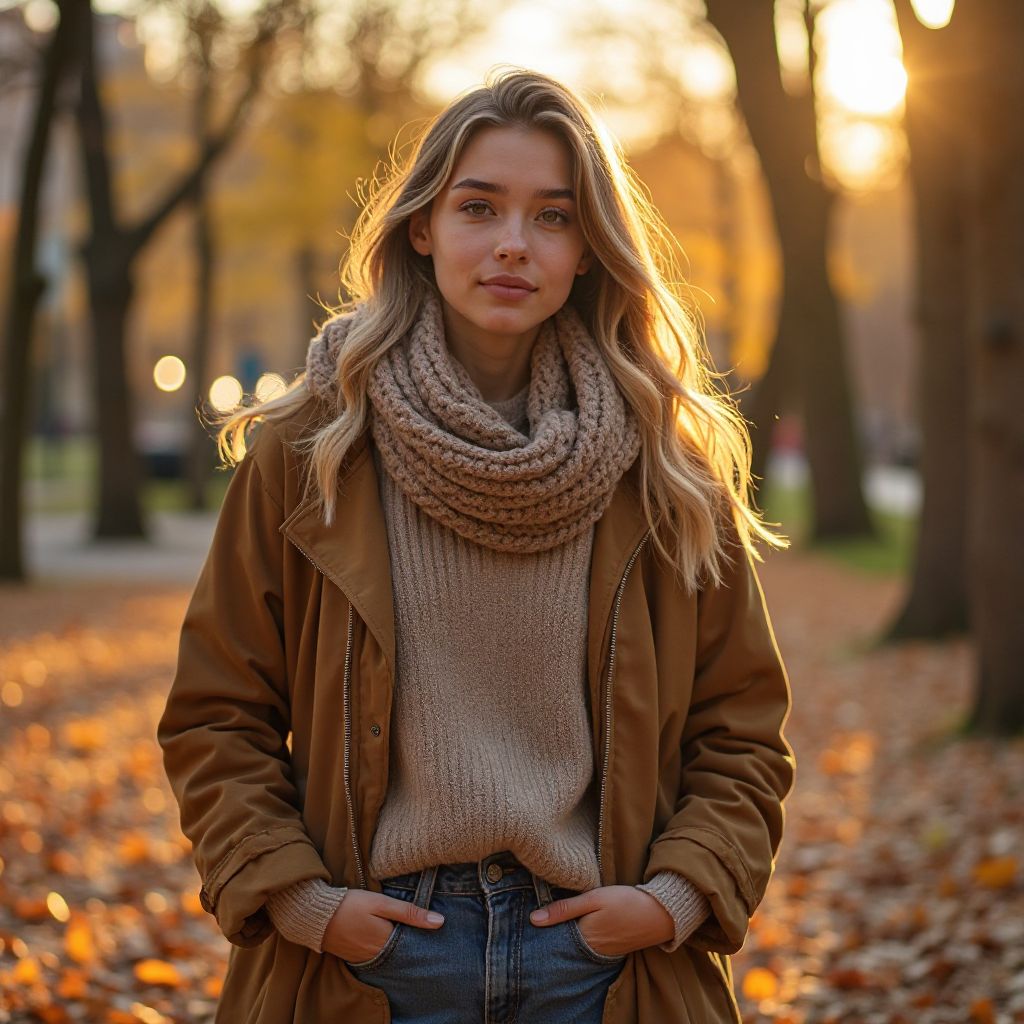
Layering 101: The Simple Art of Looking Stylish in Any Weather
Ever wished your wardrobe could effortlessly adapt to a sudden chill, a surprise sunbeam, or just your changing mood? Welcome to the transformative world of layering, where a few well-chosen pieces can unlock endless style possibilities and ensure you look perfectly put-together, no matter what the day throws at you.
Why Layering is Your New Style Superpower
In an age where sustainability, versatility, and personal expression are at the forefront of fashion, layering isn’t just a practical skill—it’s an essential one. Our unpredictable weather patterns, from crisp mornings turning into warm afternoons, demand a wardrobe that can keep pace. Beyond comfort, layering allows you to maximize your existing clothes, giving old favorites new life and making even the simplest outfits feel fresh and intentional. It’s about building depth, adding texture, and creating visual interest, elevating your style from ordinary to extraordinary with minimal effort.
Your Step-by-Step Guide to Mastering the Art of Layering
Think of layering as building an outfit from the inside out. Each piece plays a crucial role, contributing to both comfort and aesthetic appeal. Here’s how to do it right:
1. The Foundation: Your Base Layer
This is the closest layer to your skin, so comfort is key. It should be lightweight, breathable, and relatively fitted. Think:
- A simple cotton tank top or camisole
- A classic crew-neck or V-neck t-shirt
- A thin, fine-knit turtleneck for cooler days
- A seamless long-sleeve tee
The base layer acts as your temperature regulator and provides a smooth canvas for what’s to come. For budget-friendly basics,
Zara
and
H&M
are excellent resources, offering a wide array of colors and fits.
2. The Middle Ground: Your Mid-Layer
This is where the fun begins! The mid-layer adds warmth, texture, and personality. It should complement your base layer without adding too much bulk. Options include:
- A crisp button-down shirt (denim, flannel, or classic oxford)
- A lightweight sweater or cardigan (cashmere, merino wool, or cotton knit)
- A vest (puffer, knit, or tailored)
- A denim jacket or a lightweight blazer
The mid-layer is often the most visible when you shed your outer layer, so choose pieces that speak to your individual style. Imagine a
Ralph Lauren
oxford shirt peeking out from under a classic crew-neck sweater—timeless elegance achieved through simple layering.
3. The Outer Shell: Your Top Layer
This is your statement piece, offering protection from the elements and tying the entire look together. It’s usually the bulkiest layer, so ensure it fits comfortably over your other pieces without feeling restrictive.
- A trench coat or a stylish wool coat
- A structured blazer or an oversized jacket
- A leather jacket or a puffer coat
- A long cardigan or duster coat
This layer often dictates the overall vibe of your outfit. A tailored
Gucci
blazer over a simple tee and shirt can instantly elevate a casual look, while a more relaxed jacket from
ASOS
can keep things cool and effortless.
4. Playing with Texture and Fabric
One of the secrets to successful layering is mixing different textures. This adds visual depth and prevents your outfit from looking flat or one-dimensional. Think:
- Smooth silk under chunky knitwear
- Crisp cotton with soft cashmere
- Rough denim paired with delicate lace
- Leather over a fine-gauge merino wool
Contrasting textures make your outfit more interesting and luxurious, even with affordable pieces.
5. Coordinating Colors and Patterns
While you can certainly go bold, starting with a cohesive color palette makes layering easier.
- Monochromatic: Different shades of the same color create a sophisticated, elongated look.
- Neutrals: Black, white, grey, beige, and navy are your best friends. They mix and match effortlessly.
- Pops of Color: Use a vibrant base or mid-layer to add a playful touch to an otherwise neutral ensemble.
- Pattern Play: If you’re incorporating patterns, ensure one is dominant and the others are subtle, or stick to patterns in the same color family. A striped tee under a solid blazer, for instance.
6. Mastering Proportion and Silhouette
This is crucial for avoiding a bulky or shapeless look.
- Start Fitted, Go Looser: Generally, your base layer should be the most fitted, with subsequent layers becoming progressively looser.
- Balance Volume: If you have a voluminous top layer (like an oversized coat), consider more fitted pieces underneath. Conversely, a fitted blazer might pair well with a slightly looser shirt.
- Define Your Waist: A belt over a cardigan or blazer can instantly add shape and polish to an otherwise relaxed layered look.
Expert Tips You Won’t Find Everywhere
1. The “Rule of Three” (or the “Third Piece Rule”)
This is a stylist’s secret weapon. Beyond your top and bottom, adding a “third piece” instantly elevates an outfit. This could be a blazer, a vest, a cardigan, a statement jacket, or even a chic scarf. It signals intention and makes your look feel more complete. Imagine a simple tee and jeans elevated by a well-fitting blazer—that’s the power of the third piece.
2. Don’t Underestimate the Power of the Peek
Layering isn’t just about covering up; it’s about what you reveal. A collar peeking out from a sweater, a shirt cuff extending beyond a jacket sleeve, or a delicate hemline showing beneath a longer top—these small glimpses add incredible depth and sophistication. It shows attention to detail, a hallmark of true style.
3. Accessorize with Intent
Scarves are the ultimate layering accessory, especially those from brands like
Hermès
or
Louis Vuitton
. They add color, texture, and warmth, but also serve as a stylish focal point. A statement belt can cinch an oversized layer, creating an hourglass silhouette. Even jewelry can be layered, adding sparkle and personality to your ensemble.
4. Embrace Seasonless Layering
Layering isn’t just for cold weather. On warmer days, you can layer lightweight pieces like a sheer blouse over a camisole, a linen shirt open over a tank top, or a lightweight kimono over a dress. This adds interest and sun protection without adding excessive warmth.
Mistakes to Avoid When Layering
- Too Much Bulk: The biggest pitfall. Avoid overly thick fabrics in your inner layers, which can make you look shapeless or uncomfortable. Stick to fine knits and sleek materials for your base and mid-layers.
- Ignoring Proportions: Layering too many long pieces or too many short pieces can throw off your silhouette. Aim for varying hemlines to create visual interest and avoid a “boxy” look.
- Wrong Fabric Combinations: While mixing textures is great, some fabrics simply don’t play well together. Avoid pairing very casual fabrics (like fleece) with very formal ones (like silk) unless you’re intentionally creating a high-low contrast.
- Over-Complicating: Sometimes less is more. You don’t need five layers to look stylish. Often, three well-chosen pieces are more effective than a cluttered ensemble.
- Forgetting Function: Always consider the weather and your activities. Layers should be easy to add and remove, and appropriate for the temperature.
Conclusion: Your Wardrobe, Reimagined
Layering is more than just a styling trick; it’s a way to unlock the full potential of your wardrobe, express your unique personality, and confidently navigate any weather condition. From the high-fashion runways of
Chanel
and
Vogue
editorials to the accessible styles found at
Zara
and
H&M
, the art of layering is universally celebrated for its versatility and elegance. It empowers you to create countless outfits from a limited number of pieces, making your style both sustainable and effortlessly chic.
So, go forth and experiment! Play with textures, colors, and proportions. Start with what you have, add a new piece or two, and discover the endless possibilities. Your most stylish, adaptable self is just a few layers away!

