


Introduction
Sales can feel exciting.
Low prices, big discounts, and many choices all at once.
But sales can also be confusing.
Many people buy more than they need and still feel unhappy with their wardrobe.
This article is for beginners, students, working professionals, and budget shoppers who want to shop smart during sales—especially at popular stores like Zara, H&M, and Shein.
You do not need fashion knowledge to benefit from sales.
You just need a clear plan.
By the end of this guide, you will know how to avoid common traps, choose better items, and save money while improving your style.
Why This Topic Is Important
Sales can help you save money.
But only if you shop wisely.
Without a plan, sales often lead to:
- Impulse buying
- Clothes you rarely wear
- Low-quality items that do not last
- A full wardrobe with little value
Learning how to shop smart during sales helps you:
- Spend less and buy better
- Build a practical wardrobe
- Avoid regret purchases
- Feel confident about your choices
Smart shopping is a skill.
Once you learn it, sales become helpful—not stressful.
Fashion Basics You Need to Know
Before shopping any sale, understand these basics.
A Discount Does Not Mean a Good Deal
A lower price does not automatically mean value.
A good deal is:
- Something you need
- Something you will wear often
- Something that fits well and lasts
Basics Are Better Sale Buys Than Trends
Trendy items often lose value quickly.
Basics last longer and work with many outfits.
Examples of basics:
- Plain T-shirts
- Simple shirts or blouses
- Neutral trousers or jeans
- Light jackets or sweaters
Every Item Should Have a Purpose
Before buying, ask:
- Where will I wear this?
- What will I wear it with?
If you cannot answer clearly, skip it.
Step-by-Step Guide or Practical Breakdown
Follow these steps to shop smart during sales at Zara, H&M, and Shein.
Step 1: Check Your Wardrobe Before Shopping
Start at home.
Look at what you already own and identify:
- What you wear often
- What is missing
- What needs replacing
This prevents buying duplicates.
Step 2: Make a Simple Shopping List
Write down exactly what you need.
Examples:
- White T-shirt
- Black trousers
- Casual shoes
A list keeps you focused.
Step 3: Set a Clear Budget
Decide how much you want to spend before shopping.
This helps you:
- Avoid overspending
- Make better decisions
- Walk away when needed
Never increase your budget because of discounts.
Step 4: Start with Neutral and Versatile Items
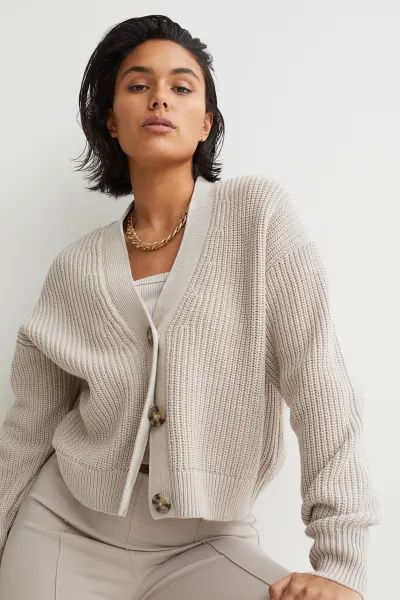
Neutral colors are easiest to style.
Good sale picks include:
- Black, white, grey, navy, beige
- Simple designs
- Minimal details
These pieces work across seasons.
Step 5: Inspect Quality Carefully
Even during sales, quality still matters.
Check for:
- Fabric thickness
- Even stitching
- Strong seams
- Secure buttons and zippers
Low-quality items often become cheaper for a reason.
Step 6: Prioritize Fit Over Everything
A cheap item that does not fit is not a bargain.
If shopping in-store:
- Try items on
- Move around in them
If shopping online:
- Check size charts
- Read customer reviews
Step 7: Shop Online Sales Slowly
Online sales can be overwhelming.
Helpful habits:
- Add items to your cart
- Wait before checking out
- Review your cart later
Time helps reduce impulse buys.
Step 8: Avoid “Just in Case” Purchases
Buying something “just in case” often leads to waste.
Only buy items you can wear now or very soon.
Step 9: Think in Outfits, Not Single Pieces
Imagine at least two outfits for every item.
If you cannot, the item may not be useful.
Common Mistakes to Avoid
Buying Because the Discount Is Big
Large discounts can create pressure.
Ask:
- Would I buy this at full price?
If the answer is no, reconsider.
Overbuying Trendy Items
Trendy items are tempting during sales.
But they often:
- Go out of style quickly
- Match very few outfits
Limit trends and focus on basics.
Ignoring Return Policies
Some sale items are final sale.
Always check:
- Return rules
- Exchange options
This protects your money.
Buying Low Quality Just Because It’s Cheap
Cheap items that fall apart are not savings.
Quality always matters—even at low prices.
Shopping Emotionally
Sales can trigger excitement or pressure.
Shop calmly, not emotionally.

Helpful Fashion Tips That Make a Real Difference
- Shop alone or with a clear goal
- Avoid rushing through sales racks
- Compare similar items before buying
- Choose simple designs
- Repeat outfits confidently
Smart habits improve results more than big discounts.
Budget-Friendly Advice
To make sales work for your budget:
- Buy only what is on your list
- Spend more on items you wear often
- Spend less on items worn rarely
- Avoid buying many similar items
- Save money for future needs
Sales should reduce costs—not increase spending.
Brand Examples (Optional & Natural)
The tips above apply to many stores, including Zara, H&M, and Shein.
Each brand has strengths and weaknesses.
Zara
Zara is known for modern styles.
Best sale picks:
- Simple jackets
- Smart casual shirts
- Neutral trousers
Avoid overly trendy items that may not last.
H&M
H&M offers a wide range of basics.
Good sale choices:
- Plain T-shirts
- Casual shirts and blouses
- Simple sweaters
Always inspect quality carefully.
Shein
Shein is known for low prices and variety.
If shopping there:
- Focus on simple basics
- Read reviews carefully
- Check fabric details
Avoid impulse buying multiple trendy items.
These brands are examples only.
Always judge the item, not the name.
Frequently Asked Questions (FAQs)
1. Are sales always worth shopping?
Only if you buy what you need.
Otherwise, sales can increase spending.
2. Should beginners avoid online sales?
No, but caution is important.
Read size guides and reviews carefully.
3. Is it better to shop early or late during sales?
Both can work.
Early offers more choice. Late offers lower prices.
4. Can sale items still be good quality?
Yes.
But inspection is necessary.
5. How many items should I buy during a sale?
Only what fits your list and budget.
6. What is the biggest sale shopping mistake?
Buying without a plan.
Final Thoughts / Conclusion
Sales can be powerful tools when used correctly.
They can help you save money and improve your wardrobe.
But without planning, sales often lead to regret.
When you shop with intention, focus on basics, inspect quality, and respect your budget, you win.
You spend less, choose better, and feel confident in your clothes.
Remember:
A smart shopper controls the sale—the sale does not control the shopper.

