

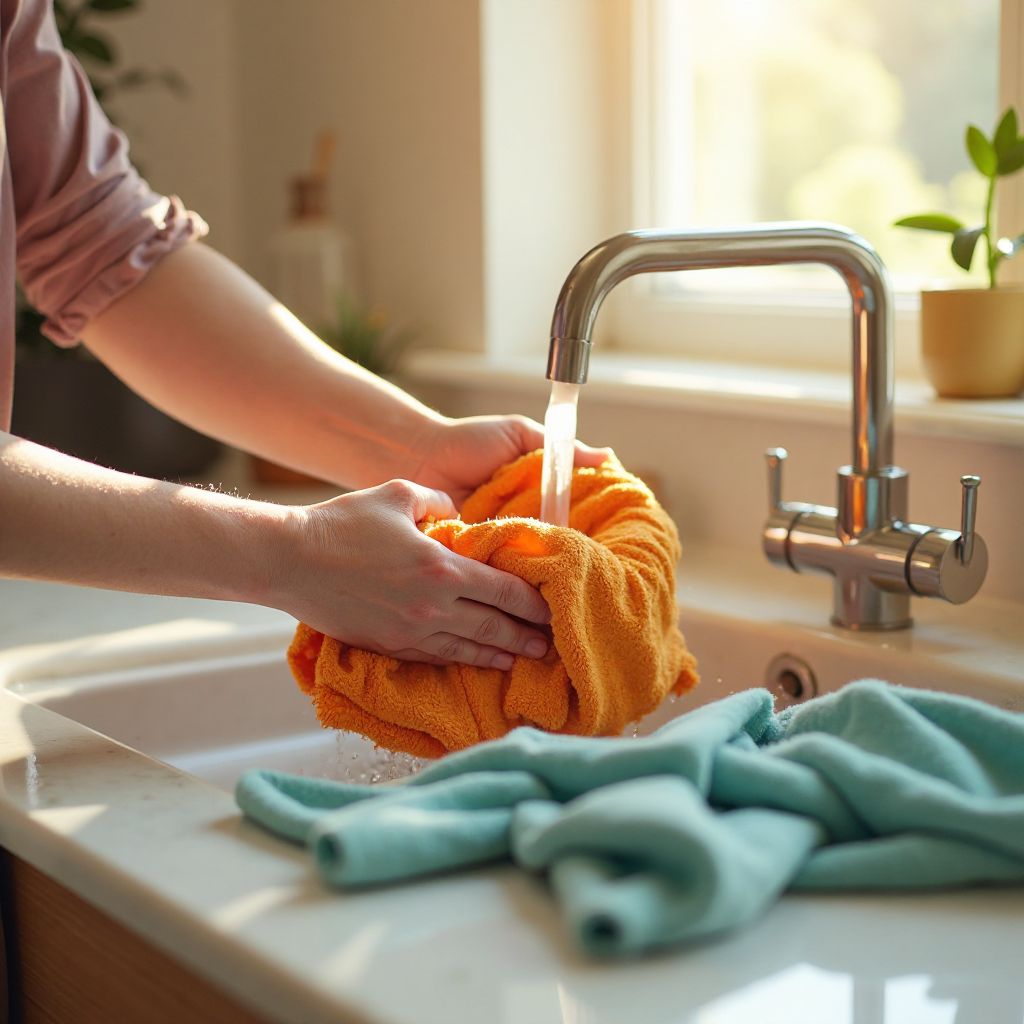
How to Care for Cheap Clothes So They Last Longer Than Expected
Ever wished your favorite Zara top or H&M dress could defy its modest price tag and stay fabulous for seasons to come? As a fashion stylist with a decade of experience, I’ve seen countless trends come and go, but one truth remains: how you care for your clothes dictates their lifespan, regardless of their initial cost. In an era dominated by fast fashion, learning to extend the life of your budget buys isn’t just a smart move for your wallet; it’s a step towards a more sustainable and stylish wardrobe.
The Modern Dilemma: Fast Fashion vs. Longevity
Today, our closets are often a revolving door of new arrivals from brands like ASOS, Zara, and H&M. The thrill of a new, affordable piece is undeniable, allowing us to experiment with trends without breaking the bank. However, this accessibility often comes with a hidden cost: garments designed for a short lifecycle, contributing to massive textile waste and constant consumer spending. While we might invest in a timeless Chanel bag or a durable pair of Ralph Lauren chinos with the expectation of them lasting a lifetime, we rarely extend that same care philosophy to our more affordable finds. But what if we could? What if we could apply a touch of that luxury mindset to our everyday, budget-friendly wardrobe, making those items last “longer than expected” and truly get our money’s worth?
Your Practical Guide to Making Cheap Clothes Last
Turning a fleeting fashion moment into a lasting staple is easier than you think. It all comes down to mindful care.
Pre-Wear Preparation: The First Step to Longevity
- Wash Before You Wear: Many inexpensive garments are treated with sizing chemicals or dyes that can irritate skin or bleed onto other items. A gentle wash before the first wear helps set dyes and removes residues.
- Reinforce the Weak Spots: Fast fashion often cuts corners on small details. Check buttons for loose threads and reinforce them with a quick stitch. Snip any stray threads around seams to prevent unraveling.
Washing Wisdom: The Gentle Approach
- Read the Care Label (Seriously!): Even if it’s a generic “wash cold,” heed the advice. These labels, though sometimes vague, offer the best starting point for fabric-specific care.
- Embrace Cold Water: Hot water is the enemy of cheap dyes and delicate synthetic fibers (common in brands like Zara and H&M). Cold water prevents shrinking, fading, and damage to elasticity.
- Opt for a Gentle Cycle: Your washing machine’s “delicate” or “hand wash” cycle is your best friend. It minimizes agitation, protecting fabric integrity and preventing pilling.
- Separate and Conquer: Always wash similar colors together. The dyes in cheaper clothes are more prone to bleeding, so keep those vibrant reds away from your whites!
- Use Mild Detergents: Harsh chemicals can strip dyes and weaken fibers. Choose a gentle, eco-friendly detergent.
- Mesh Laundry Bags are a Must: For anything with embellishments, lace, or delicate weaves, a mesh bag acts as a protective shield in the wash, preventing snagging and stretching. Turn items inside out before placing them in the bag.
Drying Do’s and Don’ts: Air is Your Ally
- Air Dry Whenever Possible: The dryer’s high heat is a major culprit for shrinking, fading, and pilling, especially for synthetic fabrics often found in budget pieces. Lay knits flat to dry or hang items on a sturdy hanger to maintain their shape.
- Avoid Direct Sunlight: While air drying is good, direct sun can fade colors, particularly darker hues. Dry items indoors or in a shaded area.
- If You Must Tumble Dry: Use the lowest heat setting and remove items while still slightly damp to minimize heat exposure.
Storage Savvy: Giving Your Clothes a Home
- Choose the Right Hangers: Ditch flimsy wire hangers for anything other than light blouses. Padded hangers are ideal for delicate fabrics and knits (to prevent shoulder bumps), while sturdy wooden hangers are great for structured items. Knits and heavy sweaters should always be folded to prevent stretching.
- Avoid Overcrowding: Give your clothes room to breathe. Cramming items into a packed closet can lead to wrinkles, misshaping, and even damage.
- Clean and Dry Environment: Ensure your storage area is free from moisture and pests to prevent mildew and damage.
Repair and Maintenance: A Stitch in Time
- Basic Mending Skills: Learning to sew on a button, mend a small tear, or re-stitch a popped seam can drastically extend an item’s life. Don’t let a minor flaw doom a garment.
- Pill Removers: Fabric shavers or de-pillers are inexpensive tools that can make a pilled sweater or T-shirt look brand new.
- Spot Clean Immediately: Address spills and stains as soon as they happen to prevent them from setting.
Expert Tips for Unlocking Longevity
- The “Wear Less, Wash Less” Mantra: This is a secret shared even by luxury brands like Hermès. Many garments don’t need washing after every wear. If it’s not visibly dirty or sweaty, air it out on a hanger for a day or two. This significantly reduces wear and tear from washing cycles.
- Invest in Good Basics, Even if the Rest is Fast Fashion: While your trendy pieces might come from ASOS, having a few high-quality basics – a durable white tee, a classic pair of jeans (think Levi’s or a mid-range brand), or a well-made blazer – can elevate your entire wardrobe and provide a solid foundation that lasts. Ralph Lauren, for instance, is renowned for its enduring basics.
- Steam, Don’t Iron (Mostly): Steamers are far gentler than irons, especially on delicate synthetic fabrics prone to melting or scorching. They relax fibers, remove wrinkles, and sanitize without direct heat or pressure, making them perfect for refreshing items from Zara or H&M.
- Understand Your Fabric Blends: Cheap clothes often feature polyester, rayon, and acrylic. Polyester is durable but prone to static; rayon drapes beautifully but is delicate when wet; acrylic is warm but pills easily. Knowing these quirks helps you tailor your care. For instance, Nike activewear, often polyester blends, benefits from cold washes and air drying to preserve elasticity.
- Rotate Your Wardrobe: Don’t wear the same favorite cheap item day in and day out. Giving clothes a “rest” allows fibers to recover and reduces the frequency of washing, extending their life. Even high-fashion magazines like Vogue often advise rotating high-value pieces to preserve them.
Mistakes to Avoid at All Costs
- Over-Washing: As mentioned, this is the number one destroyer of clothes.
- Using Harsh Chemicals: Bleach, strong stain removers, or excessive detergent can degrade fabric quality and fade colors.
- High Heat Drying: This causes shrinkage, pilling, and damage to elastic fibers.
- Ignoring Minor Damage: A small tear or loose button can quickly escalate if not addressed.
- Improper Storage: Cramming clothes, using the wrong hangers, or storing items in damp conditions significantly shortens their life.
Conclusion: Your Wardrobe, Elevated
Caring for your cheap clothes isn’t just about saving money; it’s about making conscious choices that benefit your style, your wallet, and the planet. By adopting these simple, yet effective, habits, you’ll be amazed at how long your budget buys can truly last, rivalling the longevity you’d expect from more premium pieces. Treat your ASOS dress with the same respect you’d give a Gucci scarf, and your H&M jeans like a coveted Louis Vuitton find. You’ll not only look better for longer, but you’ll also build a more sustainable and satisfying relationship with your wardrobe.
Start treating your budget buys like luxury investments today, and watch them surprise you with their unexpected longevity!

