

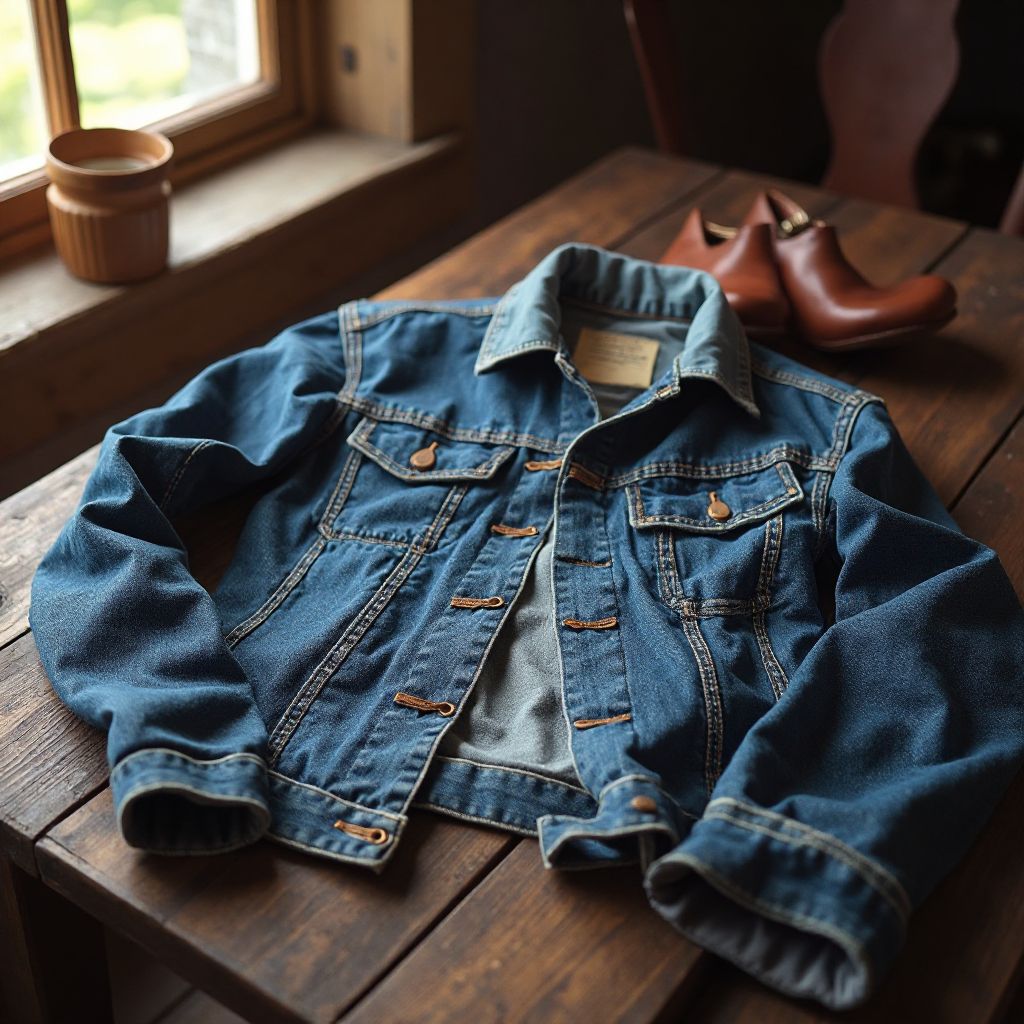
The Indestructible Thread: Tracing the History of Denim and Its Rise to Universal Staple Status
Few garments command the respect and ubiquity of a good pair of jeans. From the dusty gold mines of the American West to the glittering runways of Paris, denim has woven itself into the very fabric of human history, becoming more than just clothing – it’s a cultural phenomenon, a statement, and a comfort all rolled into one.
Why Denim’s Story Matters More Than Ever Today
In an era of fast fashion and fleeting trends, understanding the enduring legacy of denim isn’t just a fascinating historical exercise; it’s essential for conscious consumers and style enthusiasts alike. Denim represents resilience, versatility, and democratic style. As we increasingly scrutinize the origins and environmental impact of our wardrobes, knowing why jeans became a universal staple helps us appreciate their longevity, invest wisely, and style them thoughtfully. It’s about recognizing the power of a garment that transcends age, gender, and social status, proving that true style is timeless.
The Unstitched Journey: How Denim Conquered the World
The journey of denim from humble beginnings to global dominance is a testament to its adaptability and inherent appeal. Let’s trace the key milestones:
1. The European Roots: A Sturdy Fabric is Born (17th – 18th Century)
- While often associated with America, denim’s origins are firmly European. The word “denim” itself is believed to derive from “serge de Nîmes,” a robust twill fabric first produced in Nîmes, France.
- Another precursor, a coarse cotton fabric called “genes,” was manufactured in Genoa, Italy, and used for workwear, particularly for sailors due to its durability. This is widely considered the etymological source of the word “jeans.” These early fabrics were tough, practical, and built to last.
2. The American Dream: Gold Rush, Rivets, and Levi Strauss (Mid-19th Century)
- The true turning point came with the American Gold Rush. Miners needed clothing that could withstand the brutal conditions of their work. Enter Levi Strauss, a Bavarian immigrant who arrived in San Francisco in 1853, selling dry goods.
- A tailor named Jacob Davis approached Strauss with an ingenious idea: reinforcing work trousers with metal rivets at points of strain, like pocket corners and the base of the fly. Strauss recognized the potential, and in 1873, they patented the concept, creating the first modern “waist overalls” – what we now call blue jeans.
- These riveted trousers, made from sturdy denim, quickly became the uniform of the American working class, known for their incredible durability.
3. From Workwear to Rebellion: The Rise of the Icon (Early to Mid-20th Century)
- By the early 20th century, jeans were synonymous with cowboys, ranchers, and manual labor. Hollywood played a pivotal role in their transformation. Western films romanticized the cowboy image, and jeans became a symbol of rugged individualism.
- Post-World War II, a cultural shift began. Figures like Marlon Brando in “The Wild One” (1953) and James Dean in “Rebel Without a Cause” (1955) donned jeans, cementing their status as a symbol of youth rebellion, nonconformity, and cool defiance. This was a radical departure from their workwear origins.
4. The Counterculture Embrace and Global Domination (Late 20th Century)
- The 1960s and 70s saw jeans fully integrated into mainstream youth culture. Hippies embraced them for their laid-back, anti-establishment vibe. Decorated with patches, embroidery, and paint, jeans became a canvas for self-expression.
- By the 1980s, designer denim emerged. Brands like Calvin Klein and Gloria Vanderbilt elevated jeans from casual wear to high fashion, with provocative advertising campaigns and premium price tags. Suddenly, jeans weren’t just functional; they were fashionable.
5. The 21st Century: Innovation, Sustainability, and Endless Evolution
- Today, denim is truly universal. From skinny to wide-leg, distressed to raw, stretch to rigid, there’s a style for everyone. Technological advancements have brought us sustainable denim production, innovative washes, and new fabric blends.
- High fashion continues to reinterpret denim, with brands like Gucci and Chanel incorporating it into their collections in unexpected and luxurious ways, while accessible retailers like Zara and H&M make the latest denim trends available to the masses.
Expert Tips for Mastering Your Denim Game
-
Invest in Quality Over Quantity:
A well-made pair of jeans from a reputable brand (like Levi’s, or even a higher-end designer like Ralph Lauren) will last years, even decades, if cared for properly. The initial investment pays off in longevity and better fit. Think of it as a wardrobe cornerstone.
-
Understand Your Body Type for the Perfect Fit:
Don’t blindly follow trends. Experiment with different cuts – skinny, straight, bootcut, wide-leg, mom jeans – to find what flatters your unique shape. A great fit is the secret to making even the simplest jeans look chic. Don’t be afraid to size up or down; vanity sizing is real.
-
Care for Your Denim Like a Pro:
Wash jeans sparingly, inside out, in cold water, and air dry them. This preserves the color, prevents shrinking, and maintains the fabric’s integrity. For raw denim, consider wearing them for months before the first wash to achieve unique fades that tell your personal story.
-
Dress Them Up (Yes, Really!):
Denim isn’t just for casual days. Pair dark-wash, well-fitting jeans with a crisp blazer, a silk blouse, and heels for an elevated look. Add elegant accessories like a Louis Vuitton handbag or a statement necklace, and you’re ready for a sophisticated evening out. Vogue often showcases how to style denim for high-fashion events.
-
Explore Sustainable Options:
Many brands are now producing denim with reduced water, energy, and chemical usage. Look for terms like “organic cotton,” “recycled denim,” or certifications from organizations like BCI (Better Cotton Initiative). ASOS and H&M are increasingly offering sustainable denim lines, making eco-conscious choices more accessible.
Denim in the Real World: From Everyday to Runway
Denim’s versatility is its superpower, evident across the entire spectrum of fashion:
-
The Everyday Essential: For most of us, jeans from Zara, H&M, or ASOS are our go-to for comfort and style, providing accessible trends and reliable basics for daily wear.
-
The American Classic: Ralph Lauren embodies a timeless, preppy American aesthetic, often featuring well-tailored denim as a key component of their casual-chic collections.
-
Luxury Reimagined: High fashion houses frequently reinterpret denim. Gucci might feature embroidered or embellished denim jackets on the runway, while Chanel might blend denim with their iconic tweed for a contemporary twist on classic elegance. Louis Vuitton has experimented with monogrammed denim, turning a humble fabric into a luxury statement.
-
Editorial Darling: Fashion magazines like Vogue regularly feature denim in their editorials, showcasing its ability to be both aspirational and relatable, styled in myriad ways from street style to avant-garde.
-
The Investment Piece: While Hermès doesn’t typically focus on jeans, their philosophy of timeless, high-quality craftsmanship aligns with the idea of investing in a classic, well-made pair of denim that will last a lifetime – a testament to denim’s ultimate potential.
Common Denim Mistakes to Avoid
-
Ignoring the Fit:
Buying jeans that are too tight, too loose, or the wrong length can ruin an entire outfit. Prioritize fit above all else.
-
Over-Washing:
As mentioned, excessive washing fades color and wears out the fabric prematurely. Spot clean when possible.
-
Sticking to One Style:
Don’t limit yourself! Experiment with different washes, cuts, and levels of distressing to expand your denim horizons.
-
Forgetting the Styling Potential:
Denim is incredibly versatile. Don’t relegate it only to sneakers and t-shirts. Dress it up, dress it down, mix it with unexpected textures.
-
Falling for Cheap Trends:
While fast fashion offers quick trend updates, be wary of extremely cheap denim that sacrifices quality and ethical production. It often won’t last and contributes to waste.
The Everlasting Appeal of the Blue Jean
From the rugged frontier to the pinnacle of haute couture, denim’s journey is a remarkable narrative of adaptation, innovation, and enduring style. It has served as a uniform for laborers, a symbol of rebellion, and a canvas for self-expression, ultimately becoming the most democratic garment in our collective wardrobe. It’s a testament to its indestructible nature and timeless appeal that a pair of jeans remains as relevant and cherished today as it was over a century ago.
So, the next time you pull on your favorite pair, take a moment to appreciate the rich history woven into every thread. And perhaps, inspired by its incredible journey, consider how you can style your denim in new ways, invest in a quality pair, or explore sustainable options. The story of denim isn’t over; it’s waiting for you to write its next chapter.

