

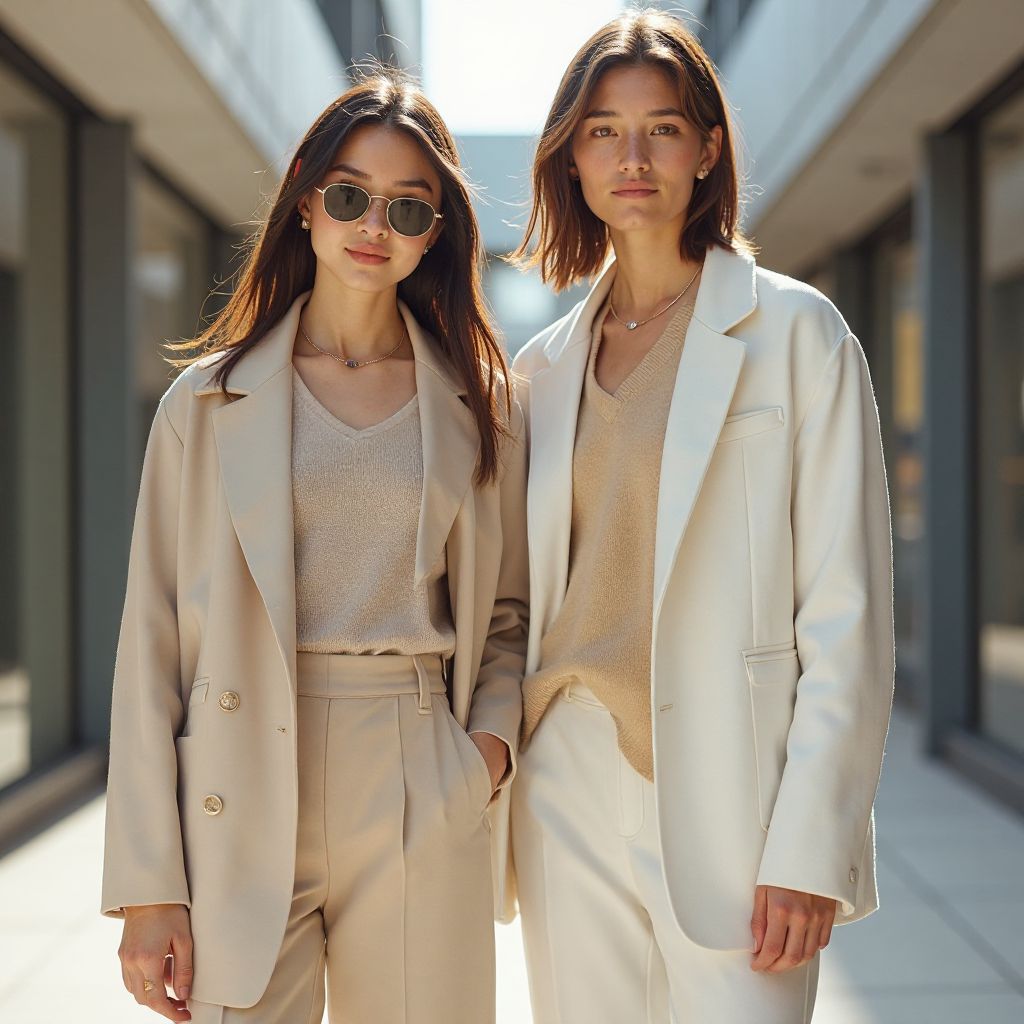
H&M vs Uniqlo: Which Brand Teaches Better Fashion Basics?
Ever stood in front of your closet, overflowing with clothes, yet felt like you had absolutely nothing to wear? Welcome to the club! It’s a common fashion dilemma that often points to one thing: a missing foundation of solid fashion basics. In the quest for a versatile, stylish wardrobe, two giants of accessible fashion, H&M and Uniqlo, frequently pop up. But when it comes to truly learning and building a wardrobe of foundational pieces, which brand offers the better education?
As a fashion stylist with a decade of experience navigating the ever-evolving style landscape, I’ve seen countless trends come and go. What remains constant, however, is the power of a well-curated collection of basics. These aren’t just plain t-shirts and jeans; they are the reliable, versatile pieces that underpin every stylish outfit, allowing you to dress them up or down, layer them, and make them your own. In today’s fast-paced fashion world, where new collections drop almost weekly, understanding how to invest in and style basics is more crucial than ever. It’s the difference between a fleeting trend and enduring style, and both H&M and Uniqlo offer unique pathways to building this essential wardrobe.
The Main Guide: Deconstructing Their Approach to Basics
Let’s dive deep into how these two powerhouses approach the very core of fashion: the basics.
Uniqlo: The Master of Functional Simplicity
Uniqlo operates under the philosophy of “LifeWear” – clothing designed to make everyone’s life better. Their approach to basics is rooted in:
- Quality Fabrics & Innovation: Think Heattech for warmth, Airism for breathability, and premium Supima cotton for their t-shirts. Uniqlo invests heavily in fabric technology, ensuring their basics are comfortable, durable, and perform well. This focus on material teaches you the importance of fabric composition – a lesson often championed by luxury brands like Hermès or Chanel, where material quality is paramount.
- Timeless Design & Fit: Uniqlo’s silhouettes are typically classic, clean, and unfussy. They offer a range of fits, from relaxed to slim, but always with an eye on universal appeal. Their color palettes are often muted and sophisticated, making pieces easy to mix and match. This encourages a minimalist approach to styling, similar to the enduring aesthetic of Ralph Lauren.
- Consistency: You can often buy the same perfect-fit crewneck t-shirt year after year. This consistency allows you to build a reliable wardrobe over time without fear of pieces being discontinued or drastically changed.
For someone learning fashion basics, Uniqlo provides an excellent blueprint for understanding what makes a good staple: quality material, a comfortable and versatile fit, and a timeless design.
H&M: The Trend-Conscious Explorer
H&M, on the other hand, is known for its fast-fashion model, bringing runway trends to the masses at lightning speed. Their take on basics is:
- Trend-Driven Silhouettes: While they offer classic basics, H&M also incorporates more current trends into their foundational pieces. You might find an oversized tee with a dropped shoulder, a wider-leg trouser, or a ribbed knit in a seasonal color. This allows for experimentation and keeps your basics feeling fresh and aligned with current styles, much like Zara or ASOS.
- Wide Variety & Experimentation: H&M boasts a much broader range of styles, colors, and cuts within their “basics” category. This can be great for exploring what works for your personal style and trying out different aesthetics without a significant financial commitment.
- Affordability: Generally, H&M’s price points are lower than Uniqlo’s, making it easier to build a basic wardrobe on a tight budget or to try multiple variations of a basic item.
H&M teaches you that basics don’t have to be boring and can evolve with trends. It encourages exploration of different cuts, textures, and colors within the basic framework, offering a more playful approach to building your foundation.
Expert Tips for Building Your Basic Wardrobe
1. Prioritize Fabric Over Brand Name
When it comes to basics, the feel and durability of the fabric are paramount. Look for natural fibers like cotton, linen, wool, and silk blends, or high-quality synthetics like Tencel or modal. Uniqlo excels here with its fabric innovations. A well-made cotton tee will always look more polished than a poorly constructed one, regardless of the label. Think about the luxurious drape of a silk blouse from a brand like Gucci – it’s all about the fabric.

