

Introduction
Fashion words can be confusing.
Casual, business casual, smart casual—many people hear these terms but are not sure what they really mean.
If you have ever stood in front of your wardrobe wondering what to wear for an event, work, or outing, you are not alone.
This article is for beginners who want clear, simple explanations without fashion jargon.
By the end of this guide, you will understand common fashion terms—especially casual and smart casual—and know exactly how to dress with confidence in everyday situations.
Why This Topic Is Important
Knowing fashion terms helps you avoid embarrassment and stress.
It also saves money and time.
When you understand dress codes:
- You dress appropriately for different situations
- You avoid over- or under-dressing
- You shop smarter because you know what you need
- You feel more confident in social and work settings
Fashion is not about showing off.
It is about fitting the moment comfortably and confidently.
Fashion Basics You Need to Know
Before breaking down the terms, here are a few basics.
Dress Codes Are Guidelines, Not Rules
Fashion terms describe a general look.
They are not strict uniforms.
This means there is flexibility, as long as your outfit fits the overall idea.
Fit and Cleanliness Matter More Than Style
No matter the dress code:
- Clothes should fit properly
- Shoes should be clean
- Outfits should look neat
Even simple clothes can look smart when they are clean and well-fitting.
Neutral Colors Are Always Safe
Neutral colors work for most dress codes.
Examples include:
- Black
- White
- Grey
- Navy
- Beige
They make dressing easier, especially for beginners.
Step-by-Step Guide or Practical Breakdown
Below is a simple explanation of common fashion terms, starting from the most relaxed to more polished styles.
1. Casual
Casual is the most relaxed everyday style.
It focuses on comfort and ease.
Common casual items include:
- T-shirts
- Jeans
- Hoodies
- Sneakers
- Casual dresses
Casual outfits are perfect for:
- Running errands
- Relaxing with friends
- Travel days
- Home and informal outings
Casual does not mean sloppy.
Clean and well-fitting clothes still matter.
2. Smart Casual (The Most Confusing Term)
Smart casual sits between casual and formal.
It looks neat but not strict.
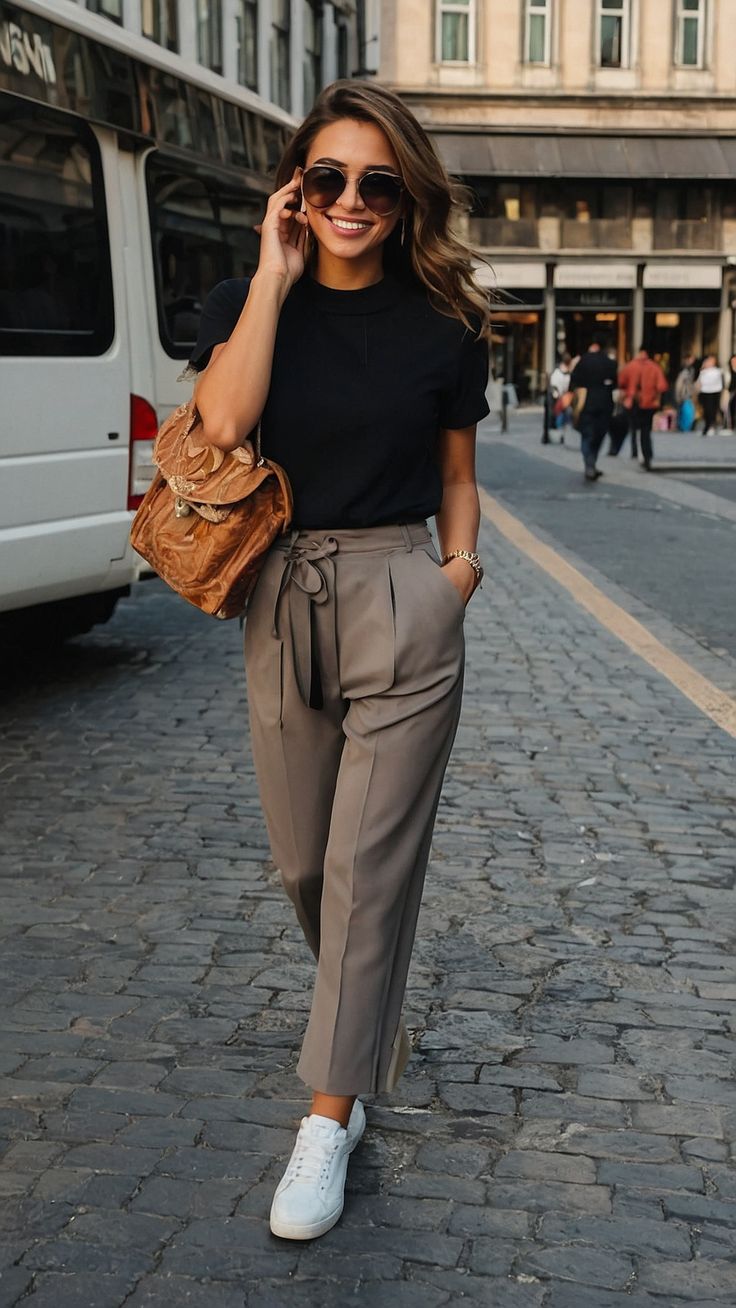
Think of it as polished casual.
Smart casual outfits often include:
- Plain shirts or blouses
- Well-fitted jeans or chinos
- Simple dresses
- Clean sneakers, loafers, or flats
- Light jackets or cardigans
Smart casual is common for:
- Casual offices
- Dinner outings
- Informal meetings
- Social events
The goal is to look relaxed but intentional.
3. Business Casual
Business casual is more professional than smart casual.
It is often used in offices that are not very strict.
Typical business casual items include:
- Button-down shirts
- Blouses
- Trousers or skirts
- Closed shoes
Jeans are sometimes allowed, but not always.
Business casual is suitable for:
- Office work
- Presentations
- Professional meetings
4. Formal (Brief Overview)
Formal is more structured and polished.
Examples include:
- Suits
- Dress shoes
- Formal dresses
This style is for:
- Weddings
- Official events
- Formal ceremonies
As a beginner, you do not need many formal pieces.
Casual vs Smart Casual: Simple Comparison
Here is an easy way to tell them apart.
Casual
- Comfort first
- Very relaxed
- Sneakers, T-shirts, hoodies
Smart Casual
- Comfort + neatness
- Looks intentional
- Shirts, clean shoes, simple layers
If you are unsure, smart casual is usually the safer choice.

Common Mistakes to Avoid
Thinking Casual Means Untidy
Casual does not mean dirty or wrinkled.
Always avoid:
- Stained clothes
- Worn-out shoes
- Oversized, shapeless outfits
Overdoing Smart Casual
Smart casual is not formal.
Avoid:
- Suits
- Very shiny dress shoes
- Over-accessorizing
Keep it simple and relaxed.
Ignoring the Occasion
Even within the same dress code, context matters.
Ask yourself:
- Where am I going?
- Who will be there?
This helps you adjust slightly when needed.
Copying Without Understanding
Wearing what others wear without knowing why can backfire.
Understand the basics first.
Then adjust to your comfort level.
Helpful Fashion Tips That Make a Real Difference
- When unsure, dress slightly better than too casual
- Choose clean, neutral shoes
- Layering instantly improves an outfit
- Keep outfits simple and balanced
- Confidence matters as much as clothing
You do not need to look perfect.
You just need to look appropriate and comfortable.
Budget-Friendly Advice
You can dress well without spending much money.
Here’s how:
- Buy versatile basics that work for casual and smart casual
- Stick to neutral colors
- Avoid items you can only wear once
- Build outfits around simple tops and bottoms
A few smart purchases are better than many random ones.
Brand Examples (Optional & Natural)
Many affordable brands offer clothing suitable for casual and smart casual looks.
For example:
- Uniqlo is known for clean, simple basics
- H&M and Zara offer casual and smart casual pieces
- Nike and Adidas provide simple casual shoes
These are examples only.
Always focus on fit, comfort, and practicality.
Frequently Asked Questions (FAQs)
1. Can jeans be smart casual?
Yes.
Choose dark, clean, well-fitted jeans without heavy distress.
2. Are sneakers allowed in smart casual?
Yes, if they are clean and simple in design.
3. Is smart casual the same for men and women?
The idea is the same.
Only the clothing styles differ slightly.
4. Can I wear a T-shirt for smart casual?
Yes, if it is plain, well-fitted, and styled properly.
5. What if I dress wrong for an event?
It happens.
Most people are forgiving. Confidence helps a lot.
6. Which style should beginners focus on?
Casual and smart casual are the most useful for daily life.
Final Thoughts / Conclusion
Fashion terms do not have to be confusing.
Once you understand the basics, dressing becomes easier.
Casual is relaxed.
Smart casual is relaxed but polished.
When you focus on fit, cleanliness, and simplicity, you will almost always look appropriate.
You do not need many clothes—just the right ones.
Start with the basics.
Dress for your real life.
And wear your outfits with confidence.

