

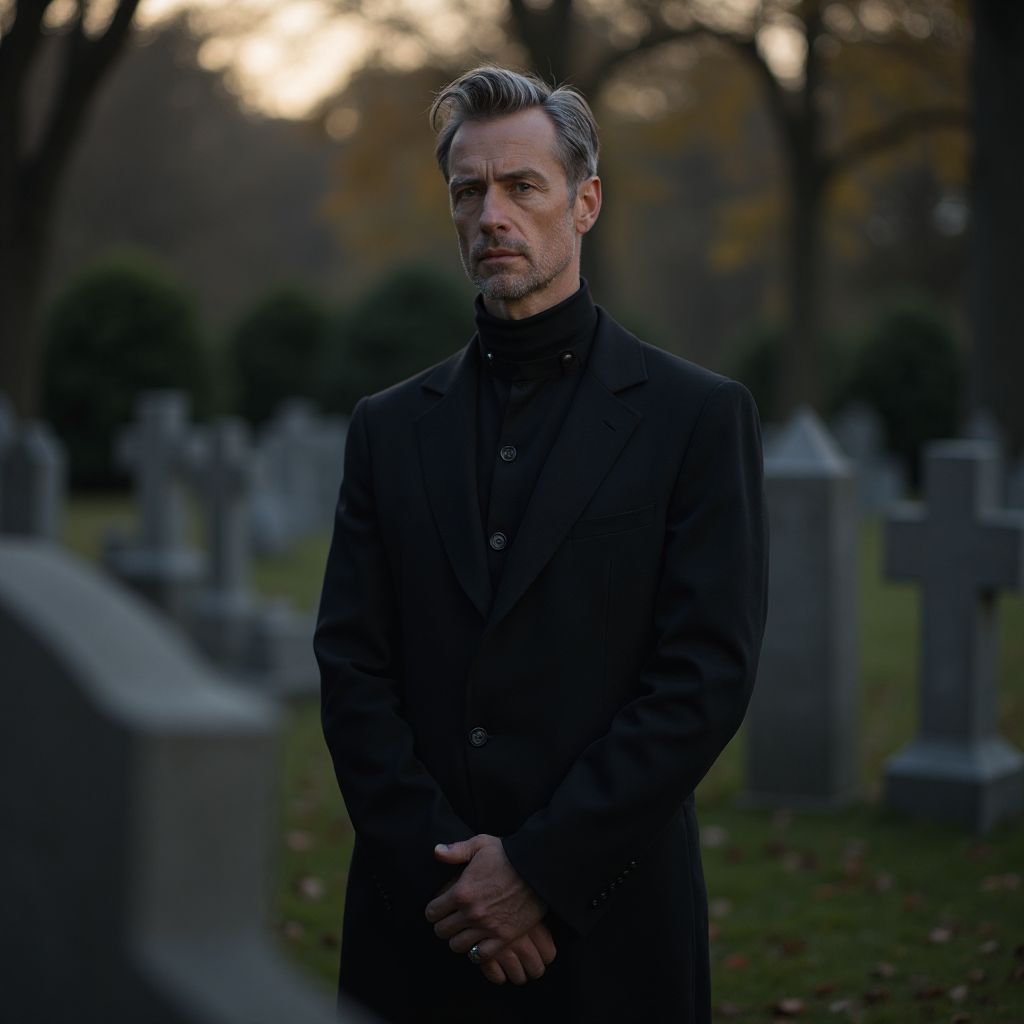
Style Guide: How to Dress for Funerals, Memorials, and Condolence Visits
The moment you hear the news, a wave of emotions washes over you – grief, sadness, perhaps a touch of shock. Amidst the sorrow, a practical question often emerges: “What do I wear?” It’s a question many silently ponder, understanding that our attire in these somber moments is far more than just clothing; it’s a silent testament of respect, empathy, and solidarity.
Why Your Attire Matters: A Modern Perspective
In an increasingly casual world, the traditional dress codes for funerals and memorials might seem a relic of the past. However, the underlying principle – showing respect for the deceased and their grieving family – remains timeless and profoundly relevant. Today, as cultural practices blend and personal styles evolve, navigating appropriate attire can be more complex than ever. This guide is designed to offer clarity, ensuring you can focus on what truly matters: offering comfort and support, without the added stress of a wardrobe dilemma. It’s about dressing with intention, understanding that your appearance contributes to the solemnity and dignity of the occasion, allowing you to be present and empathetic without distraction.
The Main Guide: Dressing with Dignity and Respect
Whether it’s a formal funeral service, a more relaxed memorial, or a quiet condolence visit, your clothing should always convey solemnity and respect. Here’s how to navigate these sensitive occasions:
1. The Funeral Service: Traditional and Formal
- Color Palette: Black remains the universally accepted color for funerals. Navy blue, charcoal grey, and deep forest green are also appropriate alternatives. The key is muted, somber tones. Avoid bright colors, bold patterns, or anything that draws undue attention.
- Silhouettes: Opt for classic, conservative cuts. For women, a knee-length or midi dress, a skirt suit, or tailored trousers with a modest blouse are ideal. For men, a dark suit (two-piece or three-piece) with a white or light-colored dress shirt and a dark tie is standard.
- Fabrics: Choose matte, non-shiny fabrics like wool, crepe, cotton blends, or a refined silk blend. Avoid overly sheer, heavily textured, or distressed materials.
- Footwear: Closed-toe shoes are essential. For women, modest heels, flats, or loafers in dark colors. For men, polished dress shoes. Ensure they are clean and comfortable, as you may be standing for extended periods.
- Accessories: Keep jewelry minimal and understated. A simple watch, pearl earrings, or a delicate necklace is appropriate. Avoid flashy or noisy pieces. A small, dark handbag is suitable.
2. The Memorial Service: A Blend of Formality and Reflection
Memorial services can sometimes be less rigid than traditional funerals, often reflecting the personality or wishes of the deceased. Always check for specific dress code requests (e.g., “wear something colorful to celebrate their life”). If no specific guidance is given, err on the side of respectful formality.
- Color Palette: While dark colors are still safe, a memorial might allow for slightly lighter muted tones like deep plum, olive green, or even a subtle grey. Still, avoid anything overtly cheerful or vibrant.
- Silhouettes: Similar to a funeral, but perhaps a well-tailored pair of dark trousers with a sophisticated blouse or a dark blazer over a simple dress could be appropriate for women. Men might opt for a dark blazer with tailored trousers and a dress shirt, with or without a tie.
- Footwear & Accessories: Maintain the same level of discretion as for a funeral. Comfort is key, especially if the service involves walking or standing outdoors.
3. Condolence Visits & Wakes: Respectful Comfort
These are often more intimate gatherings, but respect remains paramount. Your attire should be neat, clean, and understated.
- Color Palette: Dark, subdued colors are still preferred. You can introduce slightly more variety than at a formal funeral, but keep it modest.
- Attire: For women, a simple dark dress, dark trousers or a skirt with a conservative blouse or sweater. For men, dark trousers, a collared shirt (polo or dress shirt), and possibly a dark blazer. Avoid jeans, t-shirts, athletic wear, or anything too casual.
- Footwear: Clean, comfortable, closed-toe shoes.
Expert Tips for Dressing with Thoughtfulness
- The “Emergency” Outfit: Prepare a go-to funeral outfit in advance. Having a clean, dark dress or suit ready in your wardrobe, perhaps a classic from Zara or H&M, can alleviate stress during an already difficult time.
- Layering is Your Friend: Venues can vary widely in temperature. A lightweight blazer or a sophisticated cardigan (think a simple knit from Ralph Lauren or a classic Chanel-inspired jacket) can be easily added or removed, ensuring comfort without compromising decorum.
- Consider Cultural Nuances: While black is standard in many Western cultures, some traditions (like white in certain Asian cultures) have different meanings. If you’re attending a service for someone from a different background, a quick, discreet inquiry about cultural expectations can be incredibly thoughtful.
- The Power of a Meaningful Accessory: A subtle, elegant scarf (perhaps a timeless Hermès silk scarf in a dark pattern, or a more accessible option from ASOS) or a simple brooch can add a touch of personal style without being distracting, often serving as a quiet tribute.
- Prioritize Comfort, Always: While style is important, genuine comfort allows you to fully engage with the purpose of the day. Choose fabrics that don’t wrinkle easily and shoes that won’t cause discomfort. You want to be present, not preoccupied with your outfit.
Brands & Real-World Examples
You don’t need a designer wardrobe to dress appropriately, but certain brands excel at timeless, respectful pieces:
- For Investment Pieces: A classic black wool suit from a brand like Ralph Lauren or a sophisticated dark dress from a designer like Chanel or Gucci can be a wardrobe staple for years, serving you well for many formal occasions beyond just funerals. Their quality and timeless design ensure longevity.
- For Accessible Elegance: Retailers like Zara, H&M, and ASOS offer excellent options for tailored dark dresses, trousers, blouses, and blazers that are both stylish and budget-friendly. Look for their “basic” or “tailoring” collections for simple, well-cut pieces.
- For Footwear: Polished loafers from Gucci or comfortable, elegant flats from a brand like Tory Burch can provide both style and comfort. For more budget-friendly options, many mainstream shoe brands offer suitable dark, closed-toe heels or flats.
- Inspiration: A quick browse through Vogue’s archives for “classic style” or “minimalist fashion” can offer visual cues for understated elegance that translates perfectly to respectful attire.
Mistakes to Avoid
- Overly Casual Attire: No jeans (unless explicitly stated for a very casual memorial), t-shirts, athletic wear, shorts, or flip-flops.
- Loud Colors or Prints: Avoid neon hues, busy patterns, or anything that draws attention away from the solemnity of the event.
- Revealing Clothing: Steer clear of low necklines, short skirts, sheer fabrics, or anything overly tight. Modesty is key.
- Flashy Accessories: Leave statement jewelry, oversized sunglasses (unless for sun protection), and brightly colored handbags at home.
- Unkempt Appearance: Ensure your clothes are clean, pressed, and in good repair. Your hair and makeup should also be neat and understated.
- New, Uncomfortable Shoes: Break in new shoes before the event. Blisters are the last thing you need during a long, emotional day.
Conclusion: Dressing with Heart
Dressing for a funeral, memorial, or condolence visit is about more than just following a dress code; it’s an act of empathy, a silent show of support for those grieving, and a final gesture of respect for the departed. By choosing your attire thoughtfully, you eliminate potential distractions and allow yourself to fully participate in the shared experience of remembrance and comfort. You’re not just wearing clothes; you’re wearing your heart on your sleeve, quietly communicating your care. So, next time you face this difficult occasion, remember these guidelines, and dress not just appropriately, but with genuine kindness and respect. Your presence, thoughtfully presented, is the most meaningful tribute of all.
What are your go-to pieces for solemn occasions? Share your tips and experiences in the comments below – your insights could help others navigate these sensitive moments with greater ease and confidence.

