

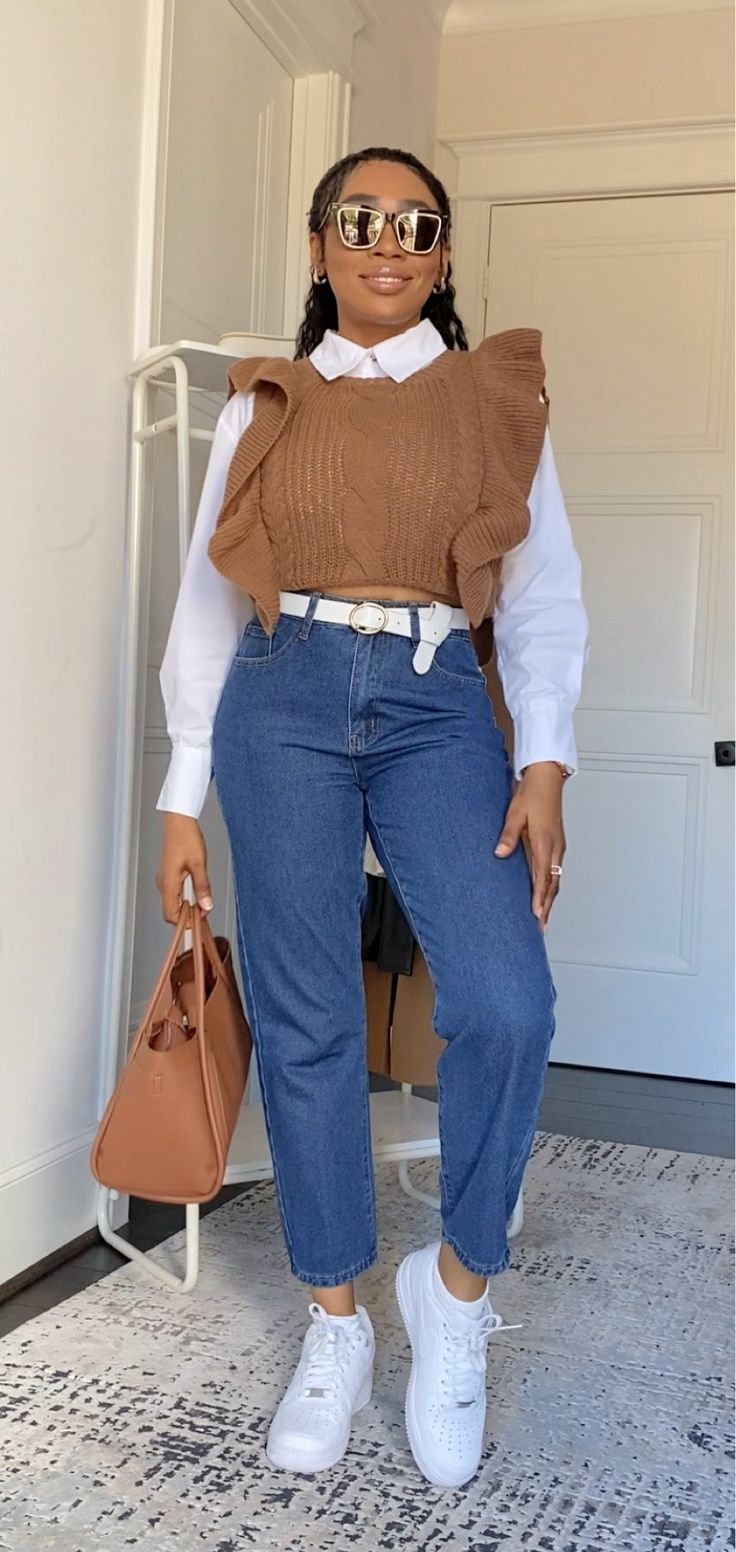
Looking stylish does not have to be expensive.
Many people believe you need designer brands or large budgets to look good. That is not true. With the right knowledge and simple habits, affordable clothes can look polished, confident, and well put together.
This article is for beginners. It is for students, working professionals, everyday readers, and anyone trying to dress better without confusion or pressure.
You do not need fashion training. You do not need a walk-in closet. You only need a few practical ideas and a new way of seeing your clothes.
In this guide, you will learn how to style cheap clothes to look high-end. Step by step. In simple language. With realistic advice you can use right away.
Let’s begin.
Why This Topic Is Important
Clothes affect how people see you.
But more importantly, they affect how you see yourself.
When you feel comfortable and confident in your outfit, it shows in your posture, your mood, and your interactions.
Learning how to style affordable clothes helps you:
- Save money
- Avoid impulse buying
- Build confidence
- Look more professional or polished
- Create a personal style
- Reduce wardrobe stress
Not everyone can shop luxury brands. And that is okay.
True style is not about price tags. It is about choices.
When you understand basic styling, even simple outfits can look thoughtful and expensive.
That skill stays with you for life.
Fashion Basics You Need to Know
Before we move to the steps, let’s cover a few basic ideas. These are the foundation of looking high-end on a budget.
Fit Comes First
Nothing makes clothes look cheap faster than poor fit.
A simple shirt that fits well always looks better than an expensive shirt that does not.
Good fit means:
- Shoulders sit correctly
- Sleeves end at the right place
- Pants are not too long or too tight
- Clothes follow your body without squeezing
You do not need perfect tailoring. Just aim for “comfortable and clean.”
If possible, spend a little on basic alterations. Shortening pants or adjusting sleeves can change everything.
Simplicity Looks Expensive
Busy outfits often look messy.
High-end style usually looks simple.
Think:
- Clean lines
- Neutral colors
- Minimal patterns
- Balanced outfits
Simple outfits are easier to style and harder to ruin.
Fabric Matters
Some fabrics naturally look better than others.
Look for:
- Cotton
- Linen
- Wool blends
- Denim
- Twill
Avoid overly shiny or very thin materials when possible. They tend to show wear faster.
Always feel the fabric before buying. If it feels rough, stiff, or flimsy, skip it.
Grooming Is Part of Fashion
Clothes alone are not enough.
Your overall appearance includes:
- Clean shoes
- Neat hair
- Fresh clothes
- Basic hygiene
Even the best outfit looks bad with dirty shoes or wrinkled fabric.
This is free style improvement.
Step-by-Step Guide or Practical Breakdown
Now let’s get practical.
Here is how to turn affordable clothes into high-end looking outfits.
Step 1: Build Around Neutrals
Start with neutral colors. They mix easily and always look polished.
Good neutrals include:
- Black
- White
- Gray
- Beige
- Navy
- Brown
Create outfits using mostly these shades.
Then add one color if you want.
Neutral outfits look calm, mature, and expensive.
Step 2: Create Simple Outfit Formulas
Having ready formulas makes dressing easier.
Try these:
Casual Clean Look
- Plain T-shirt
- Dark jeans or chinos
- Clean sneakers
Smart Casual
- Button-up shirt
- Tailored pants
- Loafers or simple shoes
Professional Simple
- Blazer
- Plain top
- Straight-leg trousers
Repeat these formulas with different colors.
This removes daily guesswork.
Step 3: Layer Thoughtfully
Layering adds depth and style.
Examples:
- T-shirt + light jacket
- Shirt + cardigan
- Top + blazer
Keep layers light and fitted.
Avoid bulky combinations.
Even cheap clothes look better with good layering.
Step 4: Steam or Iron Everything
Wrinkles make clothes look old and careless.
Smooth clothes look fresh and intentional.
This step alone can make your outfit look twice as expensive.
If you do nothing else, do this.
Step 5: Choose Shoes Carefully
Shoes change everything.
A simple outfit with clean shoes looks complete.
A good outfit with dirty shoes looks unfinished.
Stick to:
- Plain sneakers
- Simple flats
- Basic loafers
- Neutral sandals
Avoid overly trendy or heavily branded footwear.
Keep them clean.
Step 6: Add One Small Accessory
You do not need many accessories.
Just one or two:
- Watch
- Belt
- Simple necklace
- Structured bag
Accessories should support your outfit, not dominate it.
Less is more.
Step 7: Stick to a Color Story
Limit your outfit to two or three colors.
Too many colors make outfits look chaotic.
A controlled palette looks intentional and high-end.
Common Mistakes to Avoid
Let’s talk about what often ruins budget outfits.
Avoid these if you want a polished look.
Wearing Clothes That Do Not Fit
Too tight or too loose is never flattering.
Always try clothes on.
Move around.
Sit down.
If it feels wrong, it probably looks wrong.
Buying Only Trendy Pieces
Trends change fast.
Instead, invest in basics:
- Plain shirts
- Neutral pants
- Simple jackets
Trendy items should be extras, not your main wardrobe.
Ignoring Fabric Quality
Cheap fabric shows wear quickly.
Look closely for:
- Pilling
- Thin material
- Poor stitching
If it already looks tired in the store, it will look worse at home.
Overloading Accessories
Too many accessories look cluttered.
Choose one or two and stop.
Forgetting Grooming
Messy hair, wrinkled clothes, or dusty shoes cancel your effort.
Style includes presentation.
Chasing Logos
Large logos do not make outfits look expensive.
Clean, quiet pieces usually look better.
Helpful Fashion Tips That Make a Real Difference
These small habits create big results.
Tuck or Half-Tuck Your Top
This defines your waist and sharpens your look.
It works for both men and women.
Roll Sleeves Neatly
Rolled sleeves add structure and casual polish.
Just keep them even.
Use a Belt
A belt connects your outfit and adds shape.
Match it to your shoes when possible.
Stick to Clean Silhouettes
Avoid extreme shapes.
Balanced outfits always win.
Build Capsule Pieces
A capsule wardrobe means fewer items that work together.
Focus on:
- 2–3 pairs of pants
- 3–5 tops
- 1–2 jackets
- 2 pairs of shoes
Mix and repeat.
Learn Your Best Colors
Some colors suit your skin better.
Notice which ones make you look brighter and healthier.
Buy more of those.
Care for Your Clothes
Wash gently.
Air dry when possible.
Fold or hang properly.
Good care makes cheap clothes last longer.
Budget-Friendly Advice (if applicable)
Looking high-end does not require constant shopping.
Here is how to stay stylish on a budget.
Shop With a List
Know what you need before entering a store.
This prevents impulse buying.
Check Thrift and Second-Hand Stores
Many high-quality pieces end up there.
Look for:
- Blazers
- Shirts
- Bags
- Denim
Inspect carefully.
Buy Fewer, Better Pieces
Instead of five low-quality items, buy one good one.
Quality always wins long term.
Learn Basic Repairs
Small fixes save money:
- Loose buttons
- Small tears
- Loose hems
These skills are powerful.
Use Tailoring Strategically
Shortening pants or adjusting sleeves is affordable.
This can make budget clothes look custom-made.
Repeat Outfits Confidently
You do not need new clothes every week.
Style comes from how you wear items, not how often you change them.
Brand Examples (Optional & Natural)
Many affordable brands offer simple basics that work well for everyday style.
Examples include Zara, H&M, Uniqlo, Nike, and Adidas.
These brands are useful for:
- Plain T-shirts
- Basic trousers
- Simple jackets
- Casual shoes
Remember, the brand does not create style.
Your choices do.
Use brands as tools, not as identity.
Frequently Asked Questions (FAQs)
Can cheap clothes really look expensive?
Yes.
With good fit, clean styling, and simple combinations, affordable clothes can look polished and intentional.
Most people notice overall appearance, not price tags.
How many outfits do I need?
You only need a few.
Start with 5–7 outfits that you can mix and repeat.
Quality matters more than quantity.
Do I need accessories to look stylish?
No.
Accessories help, but they are optional.
Clean clothes and good fit matter more.
How do I know if something fits well?
Check shoulders, sleeves, waist, and length.
If it feels comfortable and looks balanced, it probably fits.
When in doubt, size up and tailor.
Is it okay to wear the same clothes often?
Yes.
Repeating outfits is normal.
Style is about consistency, not constant shopping.
What is the fastest way to upgrade my look?
Steam your clothes.
Clean your shoes.
Choose simple colors.
These three steps make an instant difference.
Final Thoughts / Conclusion
You do not need expensive clothes to look good.
You need knowledge, care, and intention.
When you focus on fit, simplicity, grooming, and smart combinations, even budget outfits can look high-end.
Start small.
Improve one habit at a time.
Pay attention to details.
Dress for yourself first.
Confidence grows when you feel comfortable in what you wear.
And remember: style is a skill.
The more you practice, the better you get.
You already have what you need to begin.

