

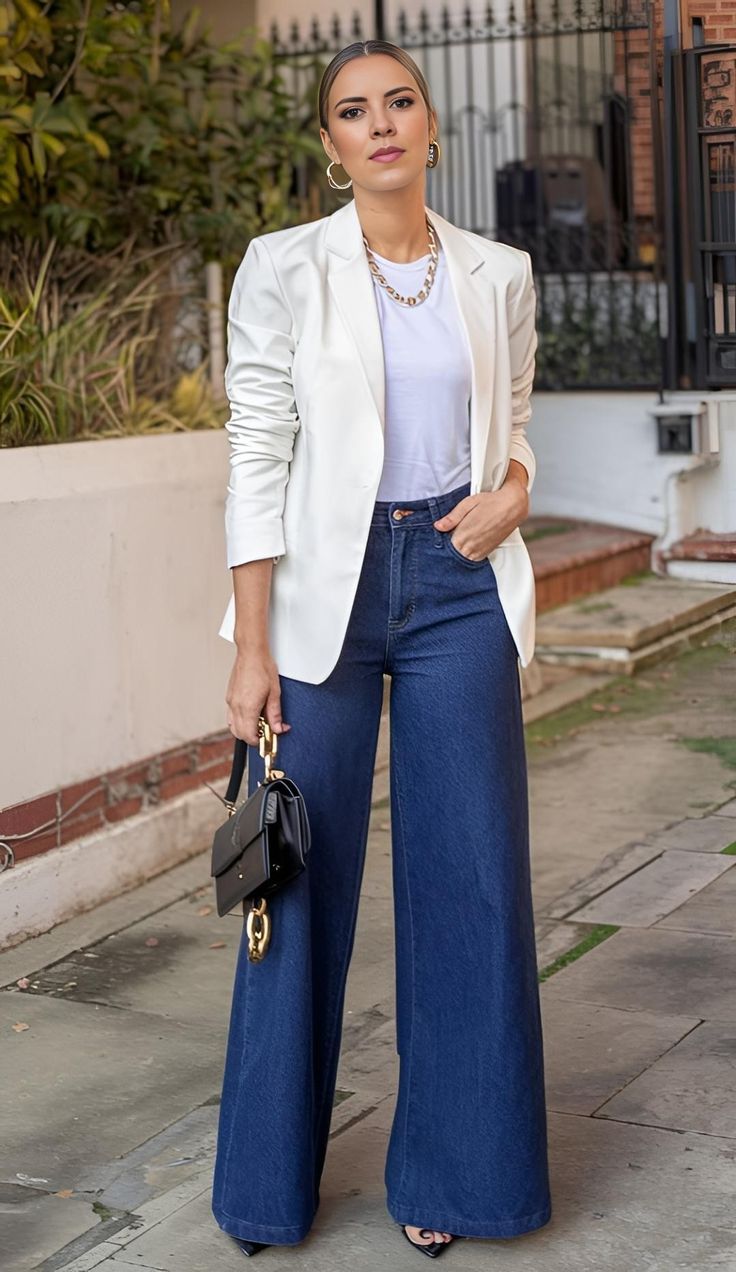
Introduction
Looking well-dressed does not mean spending a lot of money.
Many people assume that stylish outfits require expensive brands or designer labels.
The truth is different.
Style is more about choices and presentation than price.
This article is for beginners and budget-conscious readers who want to look polished, confident, and put-together—without overspending.
With a few simple principles, anyone can create an “expensive” look on a realistic budget.
Why This Topic Is Important
Clothing affects how people see you—and how you see yourself.
Looking neat and confident can improve first impressions, work opportunities, and self-esteem.
Learning how to look expensive on a budget helps you:
- Spend money more wisely
- Avoid impulse shopping
- Build a wardrobe that lasts longer
- Feel confident without financial pressure
Good style should support your life, not strain your wallet.
Fashion Basics You Need to Know
Before focusing on specific tips, it helps to understand these basics.
Expensive Style Is About Simplicity
Luxury-looking outfits are usually simple.
They focus on:
- Clean lines
- Neutral colors
- Minimal details
Simple outfits often look more polished than busy ones.
Fit Matters More Than Brand
A well-fitting outfit always looks better than an expensive one that fits poorly.
Clothes should:
- Sit comfortably on your shoulders
- Fit your waist properly
- Allow easy movement
Fit is one of the biggest secrets to looking expensive.
Condition Is Everything
Wrinkled, stained, or worn-out clothes never look expensive.
Clean, well-kept clothes instantly raise your appearance.
Step-by-Step Guide or Practical Breakdown
Follow these practical steps to upgrade your look without spending more.
1. Stick to Neutral Colors
Neutral colors create a clean and timeless look.
Good choices include:
- Black
- White
- Grey
- Navy
- Beige
These colors mix easily and look refined.
2. Choose Simple, Classic Designs
Avoid clothing with:
- Large logos
- Excessive prints
- Overly trendy details
Plain pieces age better and look more elegant.
3. Pay Attention to Fit
If possible:
- Try clothes on before buying
- Check shoulders, sleeves, and length
- Avoid clothes that pull or hang loosely
Tailoring one affordable piece can sometimes be worth it.
4. Focus on Clean Shoes
Shoes can elevate or ruin an outfit.
Choose:
- Simple sneakers
- Clean flats or loafers
- Neutral-colored shoes
Always keep them clean and in good condition.
5. Use Layering Wisely
Layering adds depth and structure.
Examples:
- A jacket over a T-shirt
- A cardigan over a blouse
- A simple coat over casual clothes
Layers make outfits look intentional.
6. Keep Accessories Minimal
Too many accessories can cheapen an outfit.
Stick to:
- One belt
- One simple bag
- Minimal jewelry
Less often looks more expensive.
7. Take Care of Your Clothes
Clothing care is essential.
Simple habits include:
- Washing according to labels
- Air-drying when possible
- Ironing or steaming regularly
Well-maintained clothes always look better.
Common Mistakes to Avoid
Chasing Trends Too Often
Trendy pieces often look outdated quickly.
Focus on timeless basics instead.
Overdoing Logos and Prints
Large logos can make outfits look busy.
Simple designs look cleaner and more refined.
Buying Cheap but Poor Quality
Very low-quality items often lose shape fast.
Choose fewer, better pieces.
Ignoring Grooming and Presentation
Style is not just clothing.
Wrinkled clothes or dirty shoes can ruin the look.
Helpful Fashion Tips That Make a Real Difference
- Repeat outfits confidently
- Keep a simple color palette
- Steam clothes before wearing
- Store shoes properly
- Choose structured bags over floppy ones
Small details create a big difference.
Budget-Friendly Advice
Looking expensive does not require constant shopping.
Here’s how to stay on budget:
- Build outfits from basics you already own
- Buy only what fits your wardrobe plan
- Shop during sales for essentials
- Avoid impulse purchases
- Invest slowly over time
Smart planning beats expensive shopping.
Brand Examples (Optional & Natural)
Many affordable brands offer clean, simple pieces.
For example:
- Uniqlo for minimalist basics
- H&M and Zara for simple, modern styles
- Nike and Adidas for clean casual shoes
These brands are only examples.
The key is choosing the right items—not the label.
Frequently Asked Questions (FAQs)
1. Can cheap clothes really look expensive?
Yes.
Fit, simplicity, and care matter more than price.
2. Is tailoring worth it on a budget?
Sometimes.
Tailoring one key piece can improve your entire wardrobe.
3. Do I need neutral colors only?
Mostly, yes.
You can add a few colors you enjoy.
4. How many outfits do I need?
A few well-matched outfits are enough.
5. Is repeating outfits okay?
Yes.
Repeating outfits is normal and practical.
6. What is the biggest mistake people make?
Buying too much instead of choosing wisely.
Final Thoughts / Conclusion
Looking expensive is not about money.
It is about intention.
When you focus on fit, simplicity, and care, your outfits naturally look better.
You spend less, shop smarter, and feel more confident.
Start with what you have.
Improve slowly.
And remember—good style is quiet, clean, and thoughtful.

