

Introduction
Casual style is something most people wear every day.
Yet many still feel unsure about their outfits.
You may own many casual clothes and still think, “I have nothing to wear.”
This usually happens because casual style is misunderstood.
This article is written for beginners.
Students, working professionals, budget shoppers, and everyday readers who want to look good without trying too hard.
You do not need fashion knowledge, expensive brands, or a big wardrobe.
With a few simple principles, you can look effortlessly stylish every day.
Why This Topic Is Important
Casual clothes are what we wear most often.
They appear at school, work, travel, weekends, and social outings.
When your casual style works well, you:
- Dress faster and with less stress
- Feel confident in daily situations
- Save money by avoiding unnecessary purchases
- Look neat without feeling overdressed
Effortless style is not about impressing others.
It is about feeling comfortable and confident in your own clothes.
Fashion Basics You Need to Know
Before building casual outfits, you need to understand a few basics.
Casual Does Not Mean Careless
Casual style should still look neat.
Casual clothing should be:
- Clean
- Well-fitting
- Comfortable
Wrinkled or worn-out clothes do not look stylish, even if they are casual.
Fit Is the Foundation of Casual Style
Fit matters more in casual wear than people think.
Good fit means:
- Clothes sit well on your shoulders
- They are not too tight or too loose
- You can move easily
Casual clothes should feel relaxed but intentional.
Simple Pieces Work Best
Casual style looks best when it is simple.
Focus on:
- Plain tops
- Clean designs
- Minimal details
Simple pieces are easier to mix and match.
Neutral Colors Make Styling Easy
Neutral colors are beginner-friendly.
Start with:
- Black
- White
- Grey
- Navy
- Beige
They work well together and look clean.
Step-by-Step Guide or Practical Breakdown
This section shows you how to build effortless casual outfits step by step.
Step 1: Start with Casual Wardrobe Essentials
Every casual wardrobe should have a few core items.
These include:
- Plain T-shirts
- Casual shirts or tops
- Jeans or casual trousers
- Comfortable shoes
- A light jacket or sweater
You do not need many—just reliable basics.
Step 2: Build Simple Outfit Formulas
Outfit formulas make dressing easy.
Examples:
- T-shirt + jeans + sneakers
- Casual shirt + trousers + flats or loafers
- Simple dress + comfortable shoes
Once you find formulas that work, repeat them.
Step 3: Focus on Clean Lines and Balance
Casual outfits look better when balanced.
If one item is loose:
- Keep the other more fitted
If your top is simple:
- Your shoes or jacket can add interest
Balance keeps outfits neat.
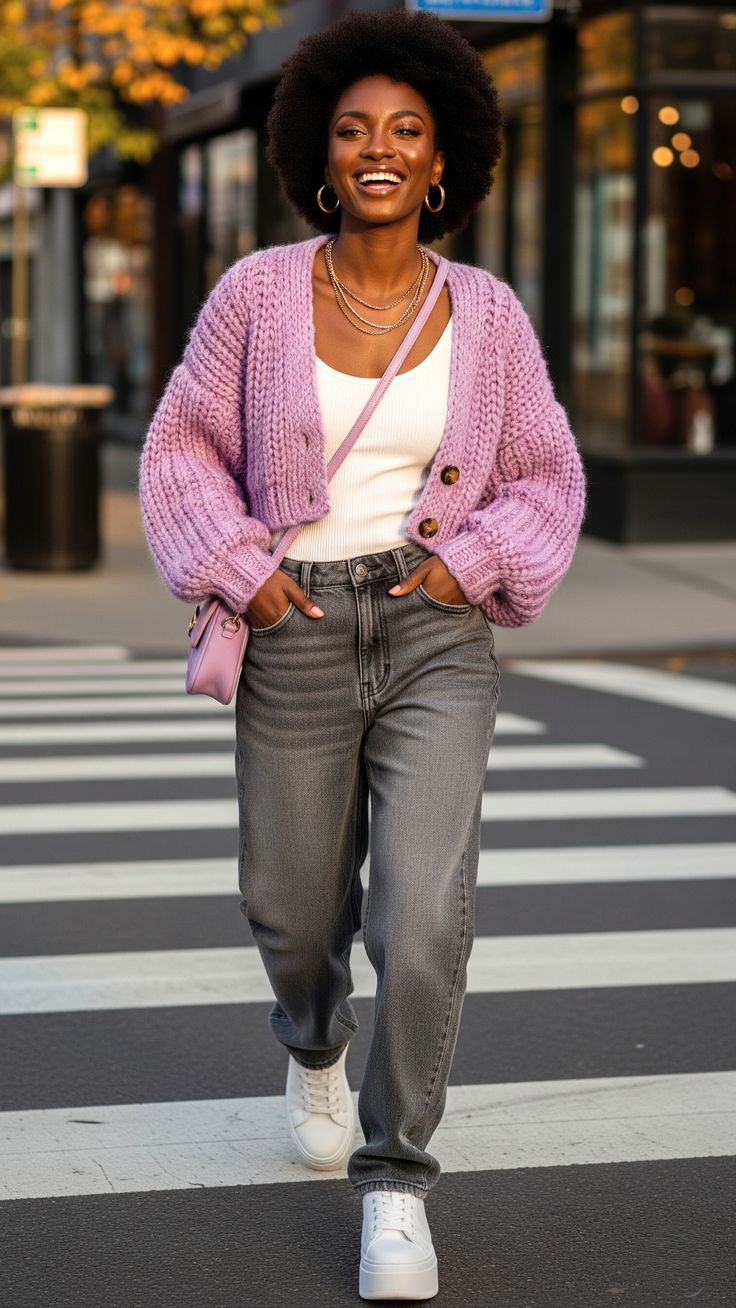
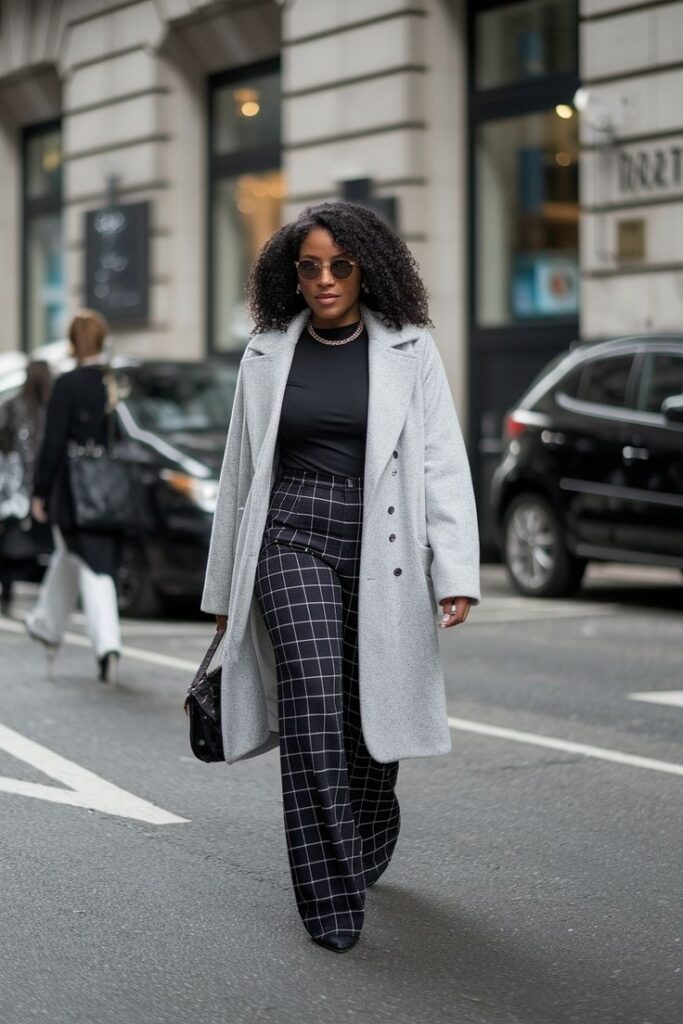
Step 4: Use Layering to Add Style
Layering makes casual outfits more interesting.
Simple layers include:
- Jacket over a T-shirt
- Cardigan over a top
- Light coat over casual clothes
Layers add structure without effort.
Step 5: Choose Comfortable, Clean Shoes
Shoes can make or break casual outfits.
Good casual shoe options:
- Clean sneakers
- Flats
- Loafers
- Simple sandals
Always keep shoes clean and in good condition.
Step 6: Keep Accessories Minimal
Casual style does not need many accessories.
Stick to:
- One bag
- One belt (if needed)
- Minimal jewelry or a watch
Too many accessories can feel messy.
Step 7: Dress for Your Daily Life
Casual style should match your routine.
Ask yourself:
- Where am I going today?
- What will I be doing?
Comfort and practicality come first.
Common Mistakes to Avoid
Trying Too Hard to Look Stylish
Effortless style should not look forced.
Avoid:
- Over-layering
- Too many patterns
- Too many accessories
Less is usually better.
Wearing Worn-Out Casual Clothes
Old, faded, or stretched clothes reduce style.
Replace basics when they no longer look neat.
Ignoring Grooming and Cleanliness
Casual style still needs care.
Dirty shoes or wrinkled clothes ruin outfits.
Copying Outfits That Don’t Fit Your Life
Online inspiration can be misleading.
Dress for your lifestyle, not social media.
Buying Too Many Trendy Casual Items
Trendy casual pieces can quickly feel outdated.
Basics should always come first.
Helpful Fashion Tips That Make a Real Difference
- Repeat casual outfits confidently
- Keep clothes clean and wrinkle-free
- Stick to a simple color palette
- Organize your wardrobe for easy access
- Choose comfort without sacrificing neatness
Small habits create effortless style.
Budget-Friendly Advice
Looking good casually does not require a large budget.
Smart budget tips include:
- Buying fewer, better casual basics
- Shopping sales for everyday items
- Avoiding impulse buys
- Choosing versatile pieces
Casual style improves when shopping is intentional.
Brand Examples (Optional & Natural)
Some affordable brands offer good casual basics.
For example:
- Uniqlo for clean, simple casual clothing
- H&M and Zara for everyday casual pieces
- Nike and Adidas for casual sneakers
These are examples only.
Always judge items by fit, comfort, and quality.
Frequently Asked Questions (FAQs)
1. What is effortless casual style?
It is dressing simply, comfortably, and neatly without overthinking.
2. Can casual outfits look stylish?
Yes.
Clean, well-fitting basics often look very stylish.
3. How many casual outfits do I need?
A few reliable outfits are enough for daily life.
4. Is it okay to repeat casual outfits?
Yes.
Repeating outfits is normal and practical.
5. Can casual style work for work or school?
Yes.
Smart casual pieces work well in many settings.
6. Do I need to follow casual fashion trends?
No.
Basics are more useful than trends.
Final Thoughts / Conclusion
Casual style should feel easy, not stressful.
It is about looking neat, comfortable, and confident every day.
When you focus on fit, simplicity, and practicality, casual outfits start to work naturally.
You save time, spend less money, and feel better in your clothes.
Start with basics.
Build simple outfit formulas.
And remember—effortless style comes from clarity, not complexity.

