

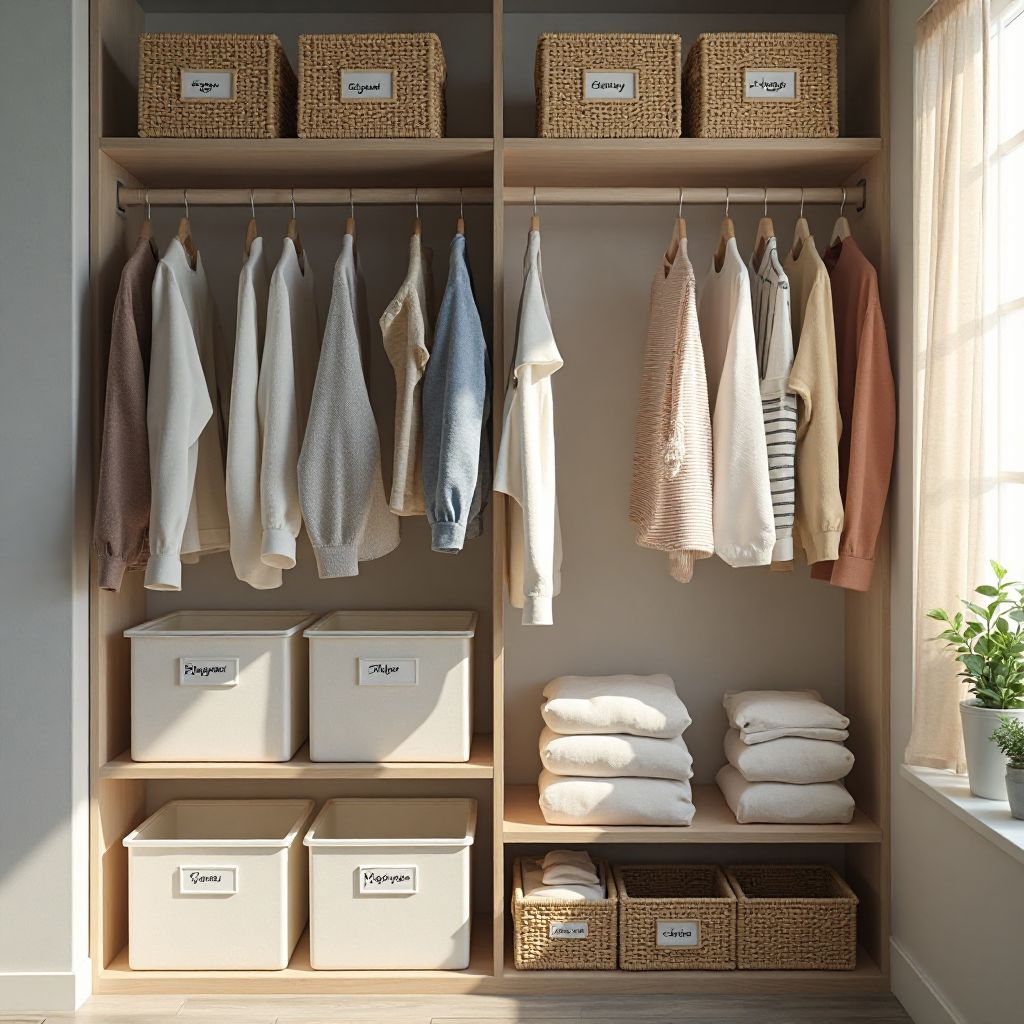
The Complete Guide to Storing Your Seasonal Wardrobe Properly
Is your closet groaning under the weight of last season’s chunky knits while you dream of breezy summer dresses, or vice versa? You’re not alone. The seasonal wardrobe swap can feel like a daunting task, a sartorial Everest many of us avoid until the last possible minute. But what if I told you that with a little planning and the right techniques, you could not only free up valuable closet space but also extend the life and vibrancy of your beloved garments, from your everyday Zara finds to your cherished Gucci investment pieces?
In today’s fashion landscape, where sustainability and mindful consumption are more important than ever, proper wardrobe storage isn’t just a chore – it’s an act of self-care for your clothes and a smart financial move. With the rise of fast fashion giants like H&M and ASOS, many of us have more clothes than ever before. Yet, we also increasingly value the longevity of quality items, whether it’s a classic Ralph Lauren polo or a timeless Chanel tweed jacket. Throwing everything into a dusty bin in the attic is a disservice to your wardrobe and your wallet. By understanding how to properly store your out-of-season garments, you’re not just decluttering; you’re preserving your style, protecting your investments, and making your closet a more functional, inspiring space. This guide is designed to make that process simple, effective, and even enjoyable, whether you’re a seasoned fashionista or just starting your style journey.
Main Guide: Practical Steps for Perfect Storage
Step 1: The Purge & Edit – A Fresh Start
Before a single item goes into storage, embark on a ruthless editing mission. Pull everything out. Yes, everything. Hold each item and ask yourself: “Did I wear this last season? Does it still fit? Does it make me feel good?” Be honest. Items that are stained, torn beyond repair, or simply no longer spark joy should be relegated to the donate, sell, or discard pile. This crucial first step prevents you from storing clutter you don’t need, saving space and effort later. Think of it as a cleanse for your closet, inspired by the likes of Marie Kondo, ensuring only the best makes the cut.
Step 2: Clean Everything – No Exceptions
This is perhaps the most critical step. Never store dirty clothes. Even invisible stains (like perspiration or body oils) can oxidize over time, leading to permanent yellowing, mildew, and attracting pests like moths.
- Dry Cleaning: For delicate fabrics like silk (your beautiful Gucci scarf), wool (that cozy Ralph Lauren sweater), linen, or structured pieces like a Chanel jacket, professional dry cleaning is essential. Ensure they are returned without plastic bags, which can trap moisture and chemicals.
- Washing: Cottons, denim (your favorite Zara jeans), synthetics, and most activewear (like Nike leggings) can be machine washed according to their care labels. Use a gentle detergent and ensure everything is thoroughly rinsed.
- Drying: Absolutely everything must be bone-dry before storage. Any residual moisture is an open invitation for mold and mildew, which can ruin garments beyond repair. Air-dry items thoroughly, ideally for 24-48 hours, even after machine drying.
Step 3: Repair & Maintain – A Stitch in Time
Before packing away, take a moment to perform any minor repairs. Sew on a loose button, mend a small tear, or fix a dropped hem. Shine your leather shoes and condition your leather bags (your Louis Vuitton tote will thank you). Doing these small tasks now prevents them from becoming bigger problems later and ensures your items are ready to wear the moment you retrieve them.
Step 4: Choose the Right Storage Solutions
The “how” you store is just as important as the “what.”
- Hanging vs. Folding:
- Hanging: Use good quality, padded hangers for delicate items like silk blouses, dresses, and structured jackets. Padded hangers prevent shoulder bumps and maintain garment shape. Never use thin wire hangers for anything other than basic, short-term use.
- Folding: Knits (sweaters, cardigans), heavy denim, and t-shirts should be folded to prevent stretching and distortion. Fold them neatly to minimize creases.
- Containers:
- Breathable Garment Bags: Ideal for hanging items like suits, dresses, and coats. Choose cotton or canvas bags over plastic dry cleaning bags, which trap moisture and can damage fabrics over time.
- Acid-Free Storage Boxes or Fabric Bins: Perfect for folded items. Acid-free materials prevent yellowing and degradation of fabrics. Fabric bins allow for air circulation, which is crucial for natural fibers. Avoid airtight plastic bins for long-term storage of natural fibers, as they can trap moisture and chemical fumes, leading to mildew or degradation.
- Vacuum-Seal Bags: Great for bulky items like puffer jackets (your Nike winter coat) or extra blankets, as they save significant space. However, they are not recommended for delicate natural fibers, wools, or items that need to breathe, as the compression can damage fibers and remove natural loft.
Step 5: The Storage Environment – Cool, Dark, Dry
The ideal storage location is cool, dark, and dry, with stable temperatures and humidity.
- Avoid Extremes: Attics (too hot, prone to pests) and basements (too damp, prone to mold) are generally poor choices. Closets or under-bed storage in climate-controlled areas are best.
- Light: Keep clothes away from direct sunlight or artificial light, which can fade colors and weaken fibers.
- Pest Control: Cedar blocks or lavender sachets are natural deterrents for moths and other pests. Avoid traditional mothballs, which contain harsh chemicals and can leave an unpleasant, lasting odor on your clothes.
- Humidity: If you live in a humid climate, consider using silica gel packets in your storage boxes to absorb excess moisture.
Step 6: Organization & Labeling – Your Future Self Will Thank You
Once everything is neatly packed, label your boxes clearly. “Summer Dresses,” “Winter Sweaters,” “Accessories” – whatever makes sense to you. This simple step will save you immense frustration when it’s time to retrieve your items, making the seasonal swap a breeze.
Expert Tips for the Savvy Stylist
- Invest in Quality Hangers: This cannot be stressed enough. Wooden or padded hangers are game-changers for maintaining the shape of your garments, especially for investment pieces like a structured blazer or a delicate silk dress.
- Don’t Overstuff: Whether it’s your closet or a storage box, overstuffing prevents air circulation, causes wrinkles, and can damage delicate fabrics. Give your clothes room to breathe.
- Special Care for Investment Accessories: For luxury handbags like a Hermès Birkin or a Louis Vuitton Speedy, stuff them with acid-free tissue paper or old t-shirts to maintain their shape. Store them in their original dust bags to protect them from dust and light. For shoes, clean them thoroughly, stuff them with tissue paper, and store them in individual dust bags or their original boxes.
- Aerate Periodically: If you’re storing items for a very long time, it’s a good idea to take them out every few months, unfold, refold, and air them out briefly. This helps prevent permanent creasing and allows you to check for any issues.
- Consider Professional Storage: For extremely valuable or delicate items (think couture pieces or a vintage Chanel gown), consider professional climate-controlled storage facilities offered by specialized services.
Mistakes to Avoid at All Costs
- Storing Dirty Clothes: As mentioned, this is the cardinal sin of wardrobe storage. Stains set, odors linger, and pests are attracted.
- Using Plastic Dry Cleaning Bags: They trap moisture and chemical fumes, which can yellow fabrics and encourage mildew. Remove them immediately upon receiving your dry cleaning.
- Overcrowding: Cramming clothes into tight spaces leads to wrinkles, damaged fibers, and prevents proper air circulation.
- Storing in Extreme Environments: Attics, basements, garages, or direct sunlight are hostile environments for your clothes.
- Ignoring Shoe and Bag Care: Simply tossing them into a box can lead to irreversible damage to their shape and material.
- Using Wire Hangers for Long-Term Storage: They distort shoulder lines and can rust, staining your clothes.
There you have it – your complete guide to mastering seasonal wardrobe storage. By following these steps, you’re not just putting clothes away; you’re actively preserving your personal style, extending the life of your garments, and making a conscious choice towards a more sustainable and organized lifestyle. Imagine opening a box next season to find your clothes fresh, perfectly preserved, and ready to wear, just as if Vogue itself had handled them. That’s the power of proper storage!
Don’t let the thought of a seasonal swap overwhelm you. Take the first step today – start with a single drawer, a shelf, or even just your favorite items. Your future self, and your wardrobe, will undoubtedly thank you!

