

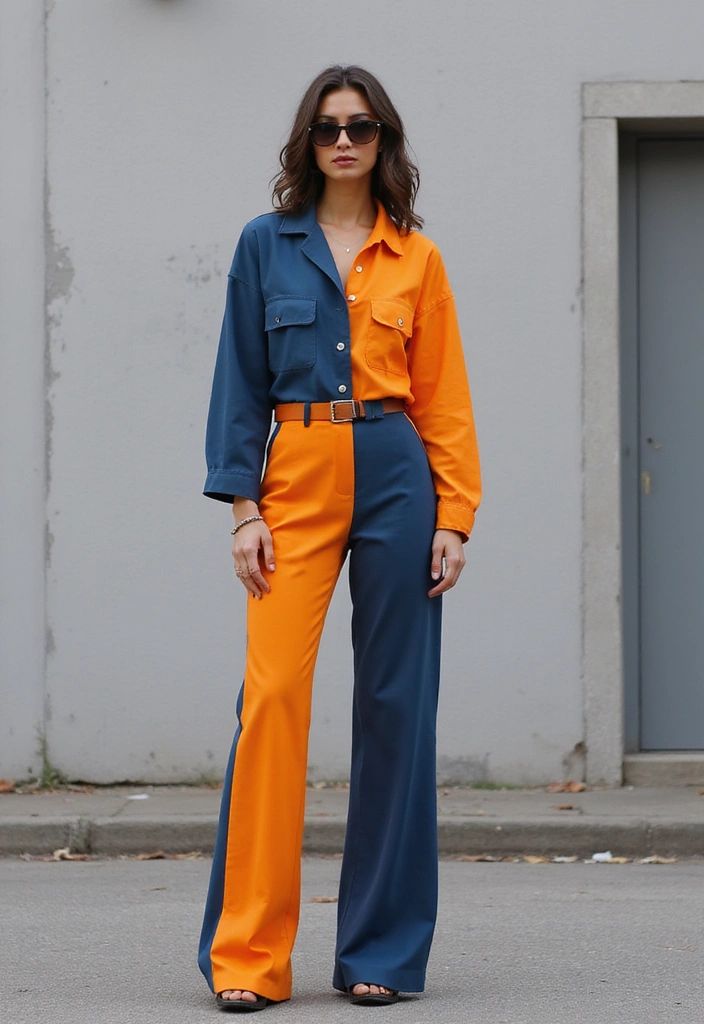
Have you ever stood in front of your closet and thought, “Why doesn’t this outfit look right?”
You are not alone.
Many people struggle with color matching. It can feel confusing, overwhelming, or even expensive to fix. But here is the good news: you do not need to be a fashion expert to dress well. You also do not need a large wardrobe.
Color matching is one of the simplest ways to improve how you look and feel every day.
This article is for beginners, students, working professionals, and everyday people who just want to dress better without stress. If you have little or no fashion knowledge, that is perfectly fine. Everything here is explained in simple terms.
You will learn:
- What color matching really means
- Easy rules that work in real life
- Common mistakes to avoid
- Practical tips you can use right away
- How to apply these ideas on a budget
By the end, you will feel more confident putting outfits together—using the clothes you already own.
Let’s start.
Why This Topic Is Important
Color affects how people see you—and how you see yourself.
When your colors work together:
- You look more put-together
- Your outfit feels balanced
- You appear more confident
- You waste less time choosing clothes
Good color matching can also help you save money.
Why?
Because when your clothes match easily, you:
- Buy fewer “wrong” items
- Create more outfits from the same pieces
- Avoid impulse shopping
Instead of owning many clothes that do not work together, you build a small wardrobe where everything mixes well.
Color matching also removes daily stress. You stop guessing. You start dressing with purpose.
Most importantly, it helps you feel comfortable in your own style.
You do not need perfection. You just need a few simple rules.
Fashion Basics You Need to Know
Before we move to step-by-step tips, let’s cover a few basic ideas in simple language.
1. Neutral Colors
Neutral colors are the foundation of most outfits. They are easy to match and work with almost everything.
Common neutral colors include:
- Black
- White
- Gray
- Beige
- Brown
- Navy
Think of neutrals as your “safe base.”
If your outfit has at least one neutral, matching becomes much easier.
2. Basic Color Groups
Most colors fall into three simple groups:
Warm colors
- Red
- Orange
- Yellow
Cool colors
- Blue
- Green
- Purple
Neutral colors
- Black
- White
- Gray
- Beige
- Brown
- Navy
You do not need to memorize color theory. Just remember this: warm colors feel energetic, cool colors feel calm, and neutrals balance everything.
3. Light vs Dark Colors
Every color can be light or dark.
For example:
- Light blue vs navy blue
- Light gray vs charcoal
Mixing light and dark adds contrast and makes outfits more interesting.
4. Solid Colors vs Patterns
Solid colors are plain colors with no design.
Patterns include stripes, checks, florals, or prints.
For beginners, it is easier to start with solid colors and add patterns slowly.
5. The “One Focus Color” Idea
Most good outfits have:
- One main color
- One or two supporting colors
Trying to use too many strong colors at once often makes outfits look messy.
Keep it simple.
Step-by-Step Guide or Practical Breakdown
Now let’s get practical. These steps are easy to follow, even if you are completely new to fashion.
Step 1: Start With Neutrals
Build your outfit around neutral pieces.
For example:
- Black pants + white shirt
- Beige trousers + navy top
- Gray jeans + white T-shirt
Once your base is neutral, you can add color without fear.
This is the safest way to begin.
Step 2: Add One Color at a Time
After choosing your neutral base, add one main color.
Examples:
- Black pants + white shirt + blue jacket
- Gray jeans + beige sweater + green scarf
Stop there if you want a clean look.
If you feel confident, you can add one more small color, such as shoes or a bag.
But avoid adding many bright colors at once.
Step 3: Use the 3-Color Rule
A simple rule for beginners:
Try not to use more than three main colors in one outfit.
This includes shoes.
For example:
- White shirt
- Blue jeans
- Brown shoes
That is already three colors.
Small details like watches or belts do not count unless they are very bold.
This rule keeps your look balanced.
Step 4: Pair Bright Colors With Neutrals
Bright colors stand out. They look best when balanced with neutrals.
Instead of:
- Bright red shirt + bright green pants
Try:
- Bright red shirt + black pants
- Green jacket + gray jeans
Neutrals calm down strong colors and make outfits look intentional.
Step 5: Match Warm With Warm, Cool With Cool
This step makes a big difference.
Warm colors usually look better together.
Cool colors usually look better together.
Examples:
Warm combinations:
- Brown + orange
- Beige + red
Cool combinations:
- Blue + green
- Gray + purple
You can mix warm and cool, but beginners should start by keeping them in the same group.
Step 6: Use Denim as a Neutral
Blue jeans are special.
They work like a neutral.
You can wear jeans with almost any color:
- White
- Black
- Green
- Yellow
- Pink
If you feel unsure, start with denim.
Step 7: Balance Light and Dark
Try to mix light and dark pieces.
For example:
- Light shirt + dark pants
- Dark jacket + light top
This creates contrast and keeps your outfit from looking flat.
Step 8: Keep Shoes Simple
Shoes affect the whole outfit.
Safe shoe colors:
- Black
- White
- Brown
- Beige
These match most clothes.
If your outfit already has strong colors, keep your shoes neutral.
Common Mistakes to Avoid
Everyone makes mistakes while learning. Here are some common ones—and how to fix them.
Wearing Too Many Bright Colors
Problem:
Your outfit looks busy or confusing.
Fix:
Use one bright color and keep the rest neutral.
Ignoring Shoes
Problem:
Your clothes look good, but your shoes feel random.
Fix:
Choose shoes that match at least one color in your outfit or stay neutral.
Buying Clothes That Do Not Match Anything
Problem:
You own nice items but cannot build outfits.
Fix:
Before buying, ask: “Can I wear this with at least three things I already own?”
If the answer is no, skip it.
Mixing Too Many Patterns
Problem:
Stripes, checks, and prints all together can feel overwhelming.
Fix:
Use one pattern at a time. Keep the rest solid.
Forgetting About Balance
Problem:
Everything is dark or everything is bright.
Fix:
Mix light and dark for better balance.
Following Every Trend
Problem:
Your wardrobe feels disconnected.
Fix:
Focus on basic colors first. Trends should be small additions, not your foundation.
Helpful Fashion Tips That Make a Real Difference
These small habits can improve your outfits immediately.
Take Photos of Your Outfits
Seeing yourself in photos helps you notice what works and what does not.
Create Simple Outfit Formulas
Examples:
- T-shirt + jeans + sneakers
- Shirt + trousers + loafers
- Sweater + chinos + casual shoes
Once you find formulas you like, repeat them with different colors.
Keep a Color Notes List
Write down combinations you like:
- Navy + beige
- Gray + white + green
Use this list when dressing or shopping.
Start With Your Favorite Color
If you love blue, build around blue.
Confidence matters more than rules.
Use Accessories Carefully
Belts, watches, bags, and scarves should support your outfit, not fight it.
When unsure, keep accessories neutral.
Organize Your Closet by Color
This makes it easier to see what matches and saves time every morning.
Budget-Friendly Advice (if applicable)
You do not need expensive clothes to match colors well.
Here is how to do it on a budget.
Build a Small Color Palette
Choose 2–3 neutral colors and 1–2 main colors.
For example:
- Black, white, gray + blue
Buy clothes within this palette.
Everything will mix easily.
Buy Basics First
Spend your money on:
- Neutral T-shirts
- Simple pants
- Plain sweaters
- Comfortable shoes
These form your daily outfits.
Use Thrift Stores and Sales
Second-hand shops and clearance racks are great for neutral basics.
Color matching works the same, no matter where clothes come from.
Refresh Old Clothes With New Combinations
Before buying more, try new color pairings with what you already own.
You may discover many new outfits.
Avoid “One-Time” Pieces
If something only works for one outfit, it is usually not worth your money.
Choose versatile items instead.
Brand Examples (Optional & Natural)
You can find simple, color-friendly basics almost anywhere.
Stores like Uniqlo, H&M, Zara, Nike, and Adidas often carry:
- Plain T-shirts
- Neutral pants
- Simple jackets
- Everyday sneakers
These are just examples, not recommendations.
The key is not the brand.
The key is choosing colors that work together.
Even local markets and small shops can provide great basics if you focus on color and fit.
Frequently Asked Questions (FAQs)
1. How many colors should I wear at once?
For beginners, stick to two or three main colors.
This keeps your outfit clean and balanced.
2. Can I wear black and brown together?
Yes. This old rule no longer applies.
Just make sure the shades look intentional, and keep the rest of the outfit simple.
3. What if I love bright colors?
That is great.
Use one bright color at a time and balance it with neutrals.
Let your favorite color shine without overpowering everything else.
4. Do I need to follow seasonal color rules?
No.
Wear what feels good to you.
Light colors in winter and dark colors in summer are perfectly fine if styled well.
5. How do I know if colors match?
Ask yourself:
- Does one color clearly stand out?
- Do the others support it?
- Does anything feel out of place?
If it feels balanced, you are doing it right.
6. What is the easiest color combination for beginners?
Start with:
- Black + white
- Navy + beige
- Gray + white
- Blue jeans + almost anything
These are simple and reliable.
Final Thoughts / Conclusion
Color matching does not have to be complicated.
You do not need fashion degrees, expensive brands, or huge wardrobes.
You only need a few simple ideas:
- Start with neutrals
- Add one main color
- Limit yourself to two or three colors
- Balance light and dark
- Keep shoes simple
- Buy clothes that work together
These small steps make a big difference.
Remember, fashion is not about perfection. It is about feeling comfortable and confident in what you wear.
Start with what you have. Practice a little each day. Try new combinations. Learn from mistakes.
Over time, matching colors will feel natural.
Most importantly, enjoy the process.
Your style is personal—and you are allowed to grow into it, one outfit at a time.

