

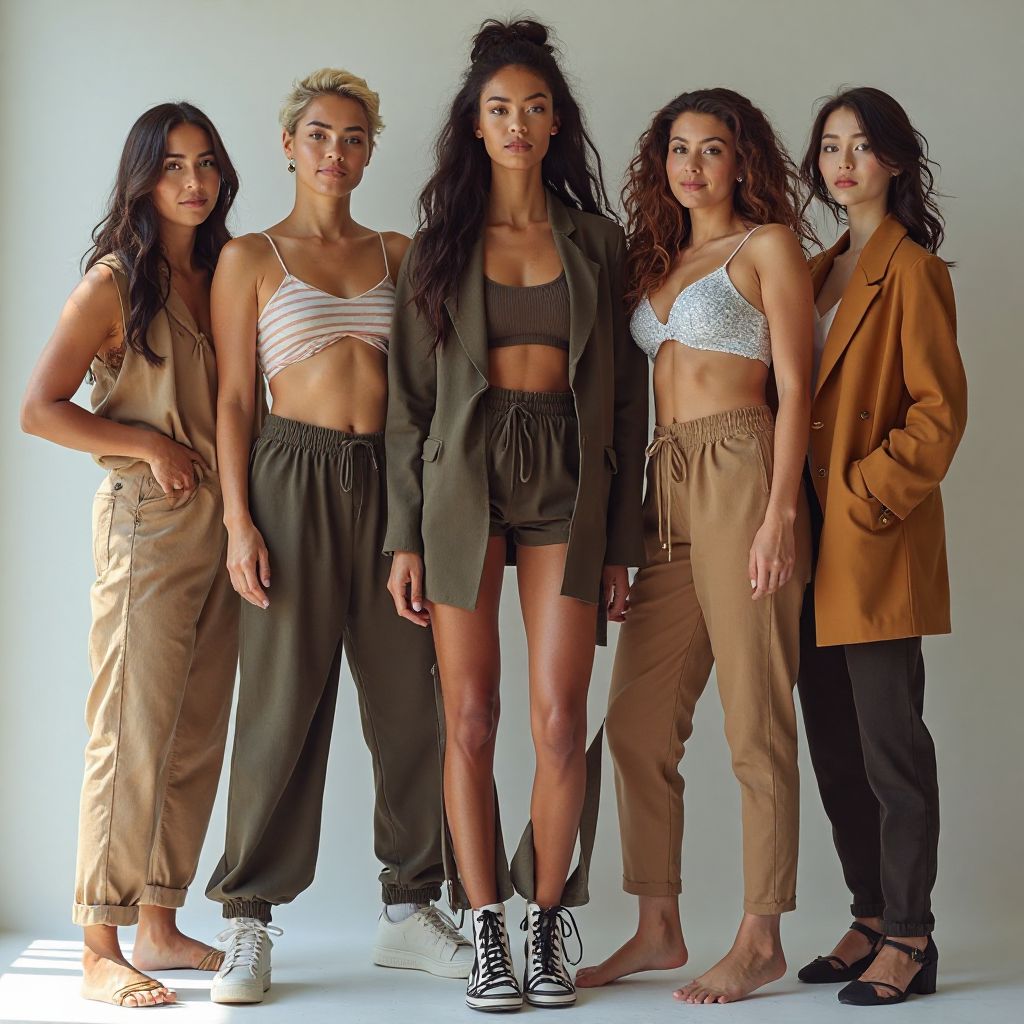
The Complete Guide to Dressing for Different Body Types in 2026
Ever gazed into your wardrobe, feeling a pang of frustration because nothing quite “fits” or “flatters” the way you envision? You’re not alone. In 2026, the secret to true style isn’t about chasing fleeting trends, but about embracing and celebrating the magnificent canvas that is your unique body.
Beyond the Labels: Why Body-Type Dressing Matters More Than Ever in 2026
The fashion landscape has evolved dramatically. We’ve moved past rigid, often exclusionary beauty standards to a glorious era of body positivity and authentic self-expression. In 2026, understanding your body type isn’t about conforming to an ideal; it’s about empowering yourself with knowledge to choose clothing that enhances your natural silhouette, boosts your confidence, and makes you feel incredible. It’s about smart styling in a world that values individuality, sustainability, and personal comfort above all. From high fashion runways showcased by Gucci and Chanel to the accessible trends at Zara and H&M, the emphasis is on making clothes work for *you*, not the other way around. This guide will equip you with the timeless principles to navigate any trend with grace and style.
Your Personalized Style Map: Dressing for Your Unique Silhouette
While traditional body types (hourglass, pear, apple, rectangle, inverted triangle) serve as useful starting points, think of them as guides rather than strict rules. The goal is to create visual balance and highlight your favorite features. Here’s how to approach it:
1. Emphasizing the Waist (The “Hourglass” & “Pear” Principle)
If your waist is your narrowest point, celebrating it is key. This often applies to hourglass figures with balanced shoulders and hips, or pear shapes where the waist is smaller than the hips.
-
What to wear: Cinch-waisted dresses, wrap tops, high-waisted skirts and trousers, belted jackets. A-line skirts and dresses beautifully skim over hips while highlighting the waist. Look for pieces that gently hug your curves without adding bulk.
-
Brands to explore: Many contemporary brands like ASOS offer a wide range of waist-defining styles. For investment pieces, a well-tailored dress from a designer like Ralph Lauren often features impeccable waist detailing.
2. Balancing Shoulders & Hips (The “Inverted Triangle” & “Rectangle” Principle)
If your shoulders are broader than your hips (inverted triangle) or your silhouette is fairly straight up and down (rectangle), the aim is to create more balance or definition.
-
For broader shoulders: Soften the top half with V-necks, scoop necks, and raglan sleeves. Add volume to your lower half with wide-leg trousers, full skirts, or statement prints on bottoms. Avoid shoulder pads or boat necks.
-
For a straight silhouette: Create the illusion of curves. Use belts to define a waist, or choose peplum tops, ruffled skirts, and layered pieces. Textured fabrics and strategic ruching can also add dimension. Layering a structured blazer over a more fluid top can create shape.
-
Brands to explore: H&M and Zara are great for experimenting with different silhouettes and finding pieces that add volume or definition. For classic, flattering cuts, explore brands like Ralph Lauren.
3. Creating Length & Streamlining (The “Apple” Principle)
If you carry more weight around your midsection, the goal is to draw attention upwards or downwards, creating a long, lean line.
-
What to wear: Empire waist tops and dresses, V-necks to elongate the neck, monochromatic outfits to create a continuous line, and straight-leg or bootcut trousers. Flowy fabrics that drape rather than cling are your best friends. A well-fitting blazer or cardigan can create vertical lines.
-
Avoid: Belts at the natural waist, horizontal stripes across the midsection, and anything too clingy or bulky around the tummy area.
-
Brands to explore: Brands like ASOS Curve or specific ranges within Zara often feature silhouettes designed to flatter this body type. Investing in quality, well-draped fabrics from a brand like Hermès (if budget allows) can make a huge difference.
Expert Tips for a Flawless Fit in 2026
-
The Power of Undergarments: A great outfit starts underneath. Investing in high-quality, properly fitting bras and shapewear can instantly smooth lines, lift, and define, creating a better canvas for your clothes. Don’t underestimate this foundational step!
-
Befriend Your Tailor: This is the ultimate insider secret. Even the most expensive garment won’t look good if it doesn’t fit perfectly. A skilled tailor can transform off-the-rack items from H&M or Zara into custom-fit pieces that flatter your unique proportions. It’s an investment that pays dividends in style and confidence.
-
Understand Fabric Drape: Pay attention to how fabrics fall. Stiff fabrics (like heavy denim or thick cotton) hold their shape and can add volume. Fluid fabrics (like silk, rayon, or soft knits) drape and skim the body, creating softer lines. Choose fabrics strategically to achieve your desired effect.
-
The 70/30 Rule: When creating an outfit, aim for a visual split of roughly 70% to 30% (or 60/40) between your top and bottom halves. This creates more visual interest and often elongates the body more effectively than a 50/50 split. For example, pair a longer top with shorter bottoms, or high-waisted trousers with a cropped jacket.
-
Mirror, Mirror: Stand in front of a full-length mirror and honestly assess your outfits. What do you like? What feels off? Take photos – sometimes seeing an outfit in a static image helps identify areas for improvement. This self-assessment is crucial for developing your personal style eye, a skill often honed by fashion editors at publications like Vogue.
Mistakes to Avoid on Your Style Journey
-
Blindly Following Trends: Not every trend is for every body. Just because something is “in” doesn’t mean it will flatter you. Adapt trends to your style and body type, rather than trying to fit yourself into them. Remember, Louis Vuitton‘s latest collection might be stunning, but it’s about finding pieces that resonate with *your* personal style.
-
Ignoring Comfort: If you’re uncomfortable, it shows. Choose clothes that allow you to move freely and feel good. Even high-performance gear from Nike is designed with comfort in mind – apply that principle to your everyday wear.
-
Sticking to Old Rules: Fashion advice evolves. Don’t let outdated “rules” dictate your choices. Experiment, break boundaries, and discover what truly makes you feel fantastic.
-
Wearing Ill-Fitting Clothes: This is perhaps the biggest mistake. Clothes that are too tight or too baggy instantly diminish your look. Always prioritize fit above all else.
-
Forgetting Accessories: Accessories are powerful tools! A statement necklace can draw the eye upwards, a belt can define a waist, and the right shoes can lengthen legs. They complete an outfit and add personality.
Your Style, Your Power: A Final Word
Dressing for your body type in 2026 isn’t about conforming; it’s about celebrating. It’s about understanding your unique architecture and using fashion as a tool to express confidence, joy, and your authentic self. The journey to impeccable style is personal, continuous, and incredibly rewarding. So, step into your closet with a fresh perspective, armed with this guide, and start experimenting. Discover what truly makes you shine, because when you feel good in what you wear, you radiate an undeniable confidence that is always in fashion. Go forth, explore, and let your personal style tell your magnificent story!

