

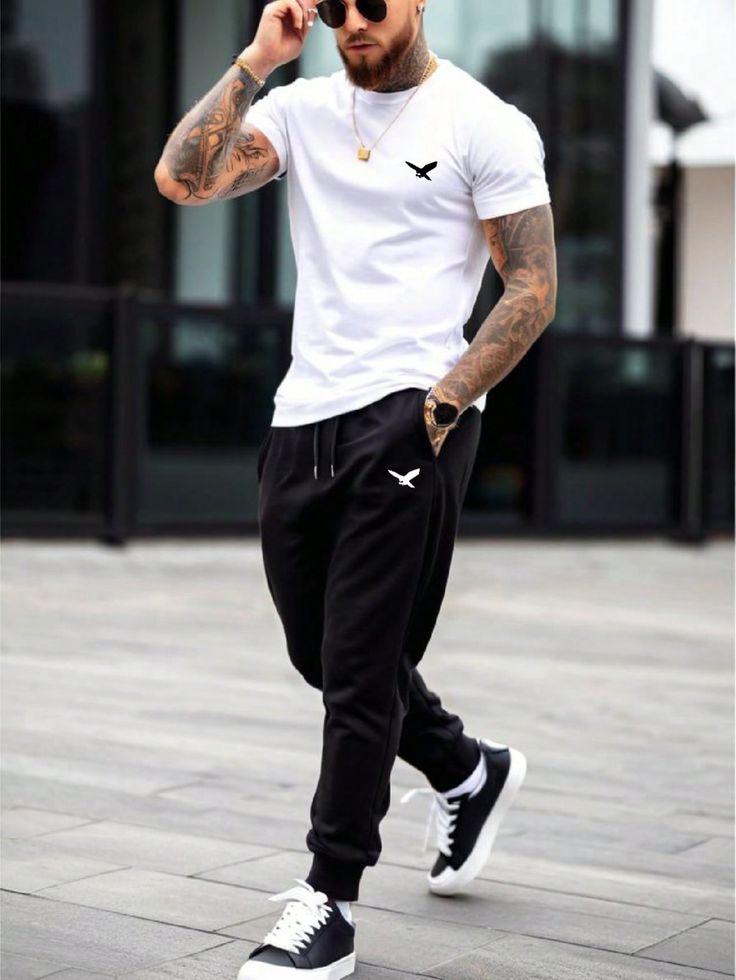
Introduction
Building a wardrobe can feel confusing when you are just starting out.
There are many styles, trends, and opinions everywhere.
The truth is simple.
You do not need many clothes to dress well.
This article is for beginners—men and women who want a clear, simple starting point.
Whether you are a student, a working professional, or someone trying to improve their appearance, this guide will help you build a wardrobe that actually works.
We will focus on essential clothing pieces.
These are items that are easy to wear, easy to match, and useful in everyday life.
Why This Topic Is Important
Many beginners buy clothes without a plan.
This leads to full wardrobes but “nothing to wear.”
Knowing the essentials helps you:
- Save money by avoiding unnecessary purchases
- Dress faster and with less stress
- Look neat and confident in daily life
- Build outfits that always work together
When you start with the right basics, fashion becomes simple and enjoyable instead of overwhelming.
Fashion Basics You Need to Know
Before listing the essentials, it helps to understand a few basics.
Fit Comes First
No matter the brand or price, clothes should fit your body.
Good fit means:
- Comfortable on the shoulders and waist
- Not pulling, squeezing, or hanging too loosely
- Easy to move in
Fit is more important than trends.
Neutral Colors Make Life Easier
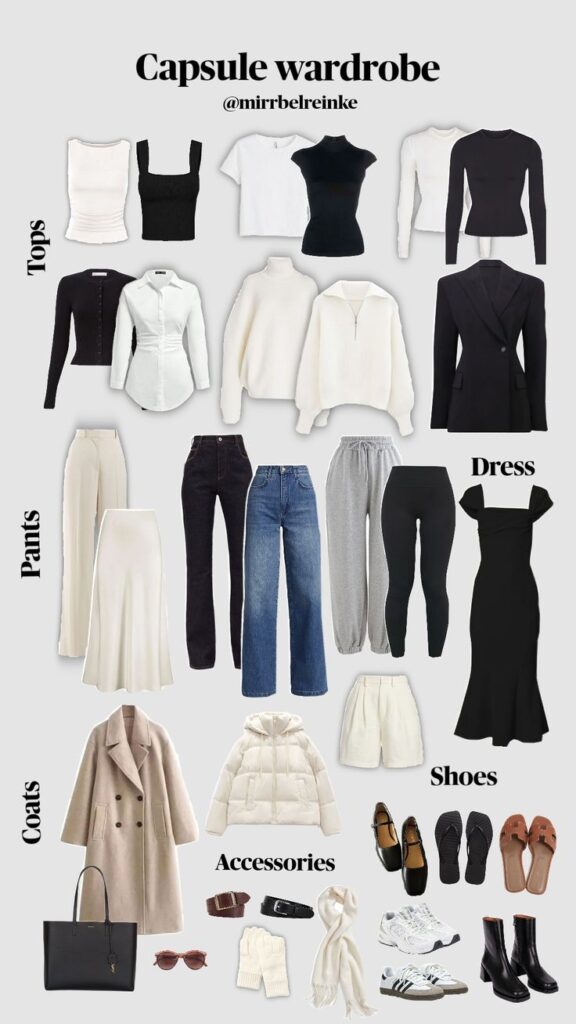
Neutral colors are easy to mix and match.
Examples include:
- Black
- White
- Grey
- Navy
- Beige
Most beginner wardrobes should start with these colors.
Simple Designs Are Better
Plain or minimal designs last longer.
They work for more occasions and do not feel outdated quickly.
Step-by-Step Guide or Practical Breakdown
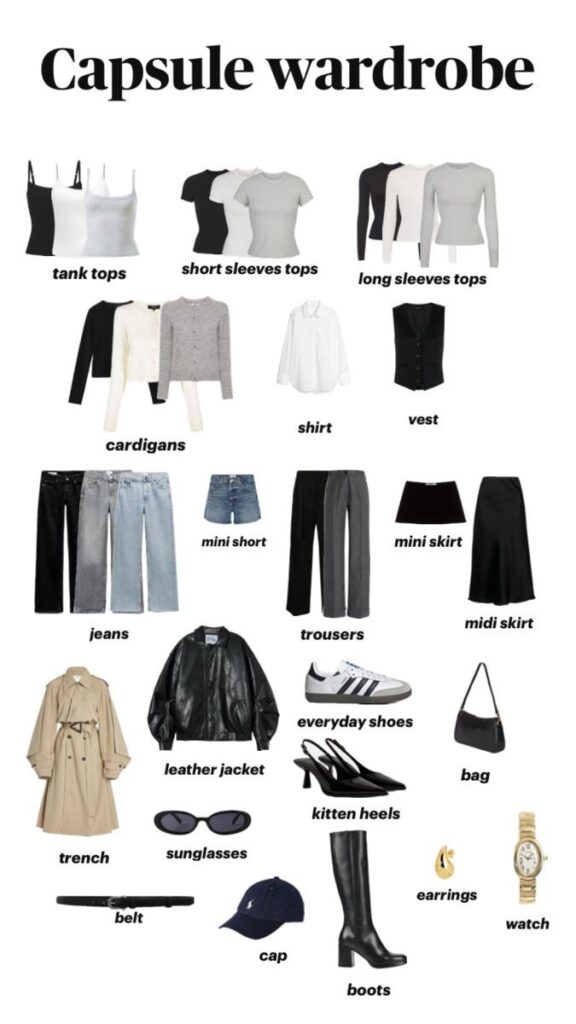
Below are essential clothing pieces every beginner should own.
These apply to both men and women, with small variations.
1. Plain T-Shirts (2–4 Pieces)
A plain T-shirt is the foundation of casual wear.
Best colors:
- White
- Black
- Grey
- Navy
They can be worn alone or layered under jackets and sweaters.
2. Casual Shirts or Blouses (1–3 Pieces)
These are for situations that need a slightly polished look.
Good options include:
- Button-down shirts
- Simple blouses
- Neutral or soft colors
They work for school, work, or casual outings.
3. Well-Fitting Jeans (1–2 Pairs)
Jeans are versatile and durable.
Choose:
- A classic fit
- Dark or medium wash
- Minimal or no distress
They match easily with most tops.
4. Smart Trousers or Skirt (1–2 Pieces)
This is useful for work, meetings, or formal occasions.
Look for:
- Neutral colors like black, navy, or beige
- Comfortable fabric
- Clean, simple design
5. A Comfortable Casual Jacket or Sweater
Layering adds style and practicality.
Good beginner options:
- Lightweight jacket
- Cardigan
- Simple sweater
Choose something that works with most outfits.
6. Everyday Casual Shoes (1 Pair)
Shoes affect your whole outfit.
Good beginner choices:
- Clean sneakers
- Simple flats
- Neutral color
Comfort and cleanliness matter more than style details.
7. One Pair of Smart Shoes
This is for formal or semi-formal situations.
Examples:
- Loafers
- Simple dress shoes
- Closed-toe flats
Neutral colors work best.
8. Basic Accessories
Accessories should be simple at first.
Useful basics include:
- A belt
- A simple bag or backpack
- A watch (optional)
Avoid over-accessorizing.
9. Comfortable Everyday Loungewear
You also need clothes for home and casual days.
Look for:
- Soft fabrics
- Relaxed fit
- Clean, simple styles
Comfort is part of a good wardrobe.
Common Mistakes to Avoid
Buying Too Much Too Fast
Many beginners rush to buy everything at once.
Instead:
- Start small
- Add items slowly
- Learn what you actually wear
Choosing Trendy Over Practical
Trendy pieces often go out of style quickly.
Focus on:
- Timeless designs
- Neutral colors
- Everyday usefulness
Ignoring Fit and Comfort
Uncomfortable clothes are rarely worn.
Always prioritize:
- Fit
- Fabric
- Ease of movement
Owning Too Many Statement Pieces
Bold items are tempting but hard to match.
Essentials should be simple.
Statement pieces can come later.
Helpful Fashion Tips That Make a Real Difference
- Repeat outfits confidently
- Keep clothes clean and wrinkle-free
- Store clothes properly to avoid damage
- Try outfits at home before wearing them out
- Remove items you never wear
Good habits improve style more than buying new clothes.
Budget-Friendly Advice
You do not need a large budget to build a good wardrobe.
Here’s how to save money:
- Buy basics first
- Avoid impulse shopping
- Choose quality over quantity
- Shop during sales only for needed items
- Consider second-hand or thrift stores
A small, well-chosen wardrobe is always better than a large, random one.
Brand Examples (Optional & Natural)
Some popular brands offer beginner-friendly basics.
For example:
- Uniqlo for simple, neutral essentials
- H&M and Zara for affordable everyday pieces
- Nike and Adidas for casual shoes and basics
These are only examples.
Focus on fit, comfort, and value rather than brand names.
Frequently Asked Questions (FAQs)
1. How many clothes does a beginner really need?
Around 15–20 core pieces are enough to start.
2. Can one wardrobe work for both casual and work life?
Yes.
Simple basics can be styled up or down easily.
3. Should men and women build wardrobes differently?
The basics are very similar.
Only the specific styles may change.
4. Is it okay to repeat outfits often?
Yes.
Repeating outfits is normal and practical.
5. How do I know if a piece is essential?
Ask if it matches at least three other items you own.
6. Can students build a good wardrobe on a tight budget?
Absolutely.
Basics are usually affordable and easy to find.
Final Thoughts / Conclusion
Fashion does not start with trends or expensive brands.
It starts with the basics.
When you build your wardrobe around essential pieces, everything becomes easier.
You dress faster, spend less, and feel more confident.
Start simple.
Focus on fit, comfort, and versatility.
Add more only when you truly need it.
With the right essentials, your wardrobe will support your life—not complicate it.

