

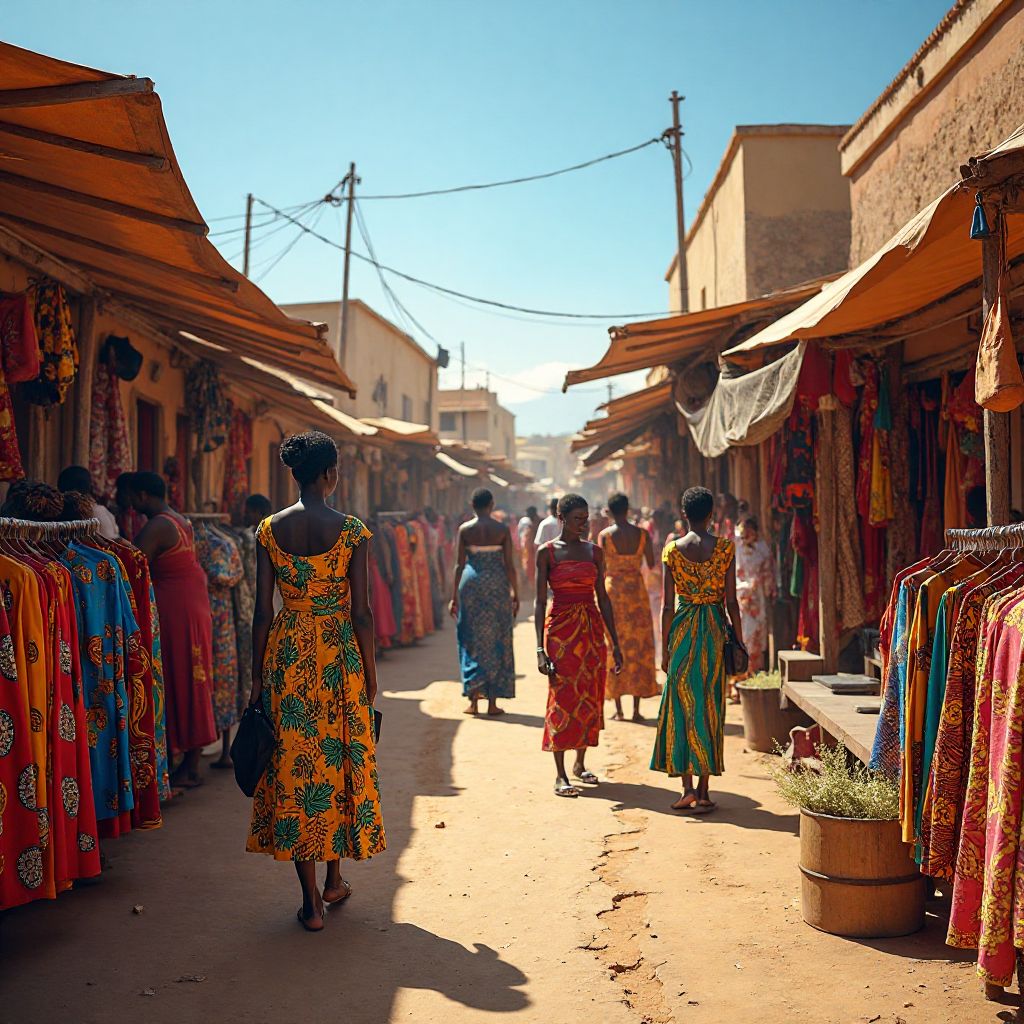
How African Fashion Markets Offer World-Class Style at Local Prices
Imagine owning a wardrobe filled with unique, high-quality pieces that tell a story, exude confidence, and turn heads – all without the eye-watering price tags of Paris or Milan. Welcome to the vibrant, dynamic world of African fashion markets, where world-class style isn’t just a dream, it’s an everyday reality at incredibly local prices.
The Untapped Fashion Goldmine: Why African Markets Matter Now
In an era dominated by fast fashion and mass-produced trends from giants like Zara and H&M, consumers are increasingly seeking authenticity, individuality, and sustainable choices. The global fashion landscape is shifting, and the rich tapestry of African design is no longer just an “inspiration” for brands like Ralph Lauren or an occasional feature in Vogue; it’s a powerful, self-sustaining ecosystem. From the intricate patterns of Ghanaian Kente to the vibrant dyes of Nigerian Adire, African fashion offers a depth of culture, craftsmanship, and creativity that rivals, and often surpasses, the exclusivity of a Louis Vuitton or Hermès, but at a fraction of the cost. This isn’t just about saving money; it’s about investing in unique artistry, supporting local economies, and embracing a truly distinctive style that stands out from the crowd.
Your Guide to Unlocking World-Class Style in African Markets
Embarking on a fashion journey through African markets is an adventure. Here’s how to navigate it like a pro and build a truly exceptional wardrobe.
1. Do Your Homework: Research is Your Best Friend
- Before you even set foot in a market, understand the local fashion landscape. Research popular fabrics (Ankara, Kente, Mudcloth, Batik), common styles, and reputable market areas. This will help you identify quality and avoid being overwhelmed.
- Look up local designers or tailors who might have online portfolios. Many skilled artisans are now on social media, making it easier to see their work beforehand.
2. Embrace the Fabric: The Heart of African Fashion
- African fashion is renowned for its diverse and culturally rich textiles. Familiarize yourself with them. Ankara (wax print) is vibrant and versatile; Kente is a hand-woven masterpiece; Adire is indigo-dyed art. Each tells a story.
- Learn to distinguish good quality fabric from lesser imitations. Look for rich colours that don’t bleed, tight weaves, and a soft hand-feel. A good quality wax print, for instance, often feels substantial and has intricate details.
3. Find Your Artisan: The Magic of Custom Tailoring
- This is where African markets truly shine and offer something most global brands cannot: bespoke clothing. Unlike buying off-the-rack from ASOS or even a high-end boutique, you can have garments tailored specifically to your measurements and design preferences.
- Seek out experienced tailors or seamstresses known for their precision and creativity. Ask for recommendations, check their previous work, and don’t be afraid to clearly communicate your vision.
- Bring inspiration photos! A picture of a dress from Gucci or a top from Chanel can be recreated with local fabrics and a unique twist, often for the price of a few Starbucks lattes.
4. Master the Art of Polite Bargaining
- Bargaining is a common practice in many African markets, but it’s an art, not a battle. Approach it with a friendly smile, respect, and a good sense of humour.
- Start by offering a reasonable amount below the initial asking price, and be prepared to meet somewhere in the middle. Remember, you’re supporting a local livelihood.
- Never be rude or aggressive. A pleasant interaction often leads to a better deal and a more enjoyable experience.
5. The Quality Check: Look Beyond the Surface
- Before purchasing fabric or a finished garment, always inspect it thoroughly. Check seams for neatness and strength, look for loose threads, and ensure patterns align correctly.
- For custom pieces, ensure all measurements have been accurately followed and that the garment fits comfortably. Don’t hesitate to request minor adjustments.
Expert Tips for the Savvy Fashion Explorer
Having navigated these markets for years, here are a few insider secrets:
- Go Beyond Clothing: Don’t limit yourself to garments. African markets are treasure troves for accessories – unique handcrafted jewelry, leather bags that rival the quality of some high-end brands, and beautiful sandals. These pieces can elevate a simple outfit from Zara or H&M into something truly special.
- Mix High-Low with Confidence: One of my favourite styling tricks is to pair a custom-tailored Ankara skirt with a crisp white shirt and classic Nike sneakers for a chic, modern look. Or, imagine a vibrant African print dress worn with a minimalist Louis Vuitton handbag. The contrast creates an arresting aesthetic that showcases your unique style.
- Embrace the Story: Each fabric, each bead, each stitch often carries cultural significance. Ask questions, learn the stories behind your purchases. This adds immense value to your wardrobe and allows you to wear your pieces with deeper understanding and pride.
- Think Versatility: When choosing fabrics or designs, consider how they can be styled in multiple ways. A beautiful wax print fabric can become a dress, a skirt, a jacket, or even a statement headwrap, offering incredible value and versatility.
Real-World Style, Real-World Savings
Consider this: a bespoke, perfectly fitted dress made from premium Nigerian Adire fabric, crafted by a skilled artisan, might cost you anywhere from $50 to $150. Compare that to a mass-produced dress from ASOS or even a designer piece from Gucci or Chanel that could cost hundreds or thousands. While the brand names carry their own weight, the African market piece offers unparalleled uniqueness, quality craftsmanship, and a story that no factory-made item can replicate.
You can effortlessly blend these finds into your existing wardrobe. Picture a tailored blazer made from a striking Kente fabric, paired with your favourite denim jeans and a simple t-shirt. It’s a sophisticated statement that’s both global and personal. Even high fashion magazines like Vogue are increasingly featuring African designers and styles, affirming their place on the world stage. Why pay a premium for a “safari-inspired” collection from Ralph Lauren when you can get the authentic, original article?
Common Mistakes to Avoid
- Being Too Rushed: Good things take time. Don’t expect to find the perfect fabric and get a custom outfit made in an hour. Allow ample time for browsing, discussing designs, and tailoring.
- Ignoring Local Advice: Market vendors and locals are invaluable resources. Listen to their recommendations for tailors, fabric quality, and fair prices.
- Forgetting Your Measurements: If you’re planning custom pieces, always have your key measurements handy (waist, bust, hips, length, etc.). Better yet, get measured by a local tailor.
- Disrespecting Culture: Always be mindful of local customs and dress codes, even in a bustling market. Politeness goes a long way.
Discover Your Next Style Statement
African fashion markets are more than just places to shop; they are vibrant cultural experiences, offering a pathway to a truly unique and world-class style that respects both your wallet and the planet. By embracing the rich textiles, supporting skilled artisans, and daring to be different, you’re not just buying clothes; you’re investing in artistry, individuality, and a piece of global heritage. So, the next time you’re thinking about your wardrobe, look beyond the usual suspects. Explore, discover, and let the incredible world of African fashion transform your style. Your journey to an extraordinary wardrobe starts now!

