

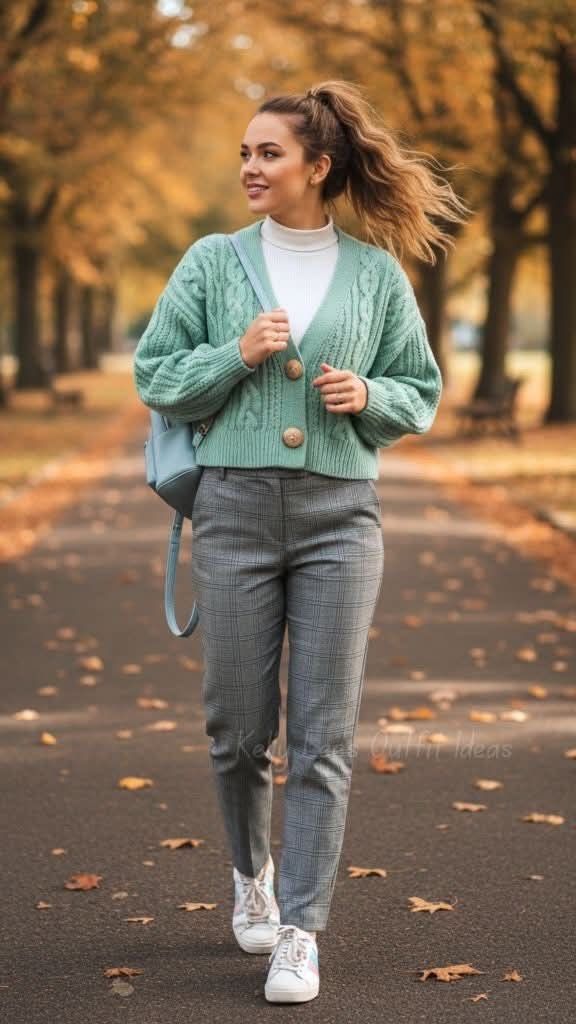
Introduction
Fashion should feel simple, not stressful.
Yet many women open their wardrobes every day and still feel unsure about what to wear.
This guide is written for beginners.
It is for students, working professionals, budget shoppers, and everyday women who want to dress well without confusion or pressure.
You do not need expensive clothes or deep fashion knowledge.
With the right basics and simple outfit ideas, you can look put-together for almost any occasion.
This article will show you how to build simple outfits that always work, using practical advice you can apply immediately.
Why This Topic Is Important
What you wear affects how you feel.
When your clothes work, your day feels easier.
Understanding simple style helps you:
- Dress faster and with less stress
- Avoid overspending on clothes you don’t wear
- Feel confident in daily life
- Build a wardrobe that fits many situations
Good style is not about impressing others.
It is about feeling comfortable, confident, and ready for your day.
Fashion Basics You Need to Know
Before building outfits, it helps to understand a few fashion basics.
Fit Comes Before Fashion
No matter the style, clothes should fit your body well.
Good fit means:
- Not too tight
- Not too loose
- Comfortable when you move
Well-fitting basics always look better than trendy pieces that fit poorly.
Simple Is Always Stylish
Simple outfits last longer and work better.
Focus on:
- Clean lines
- Minimal patterns
- Easy shapes
Simple outfits are easier to repeat and restyle.
Neutral Colors Make Outfits Easier
Neutral colors mix well together.
Start with:
- Black
- White
- Grey
- Navy
- Beige
These colors help you create many outfits with fewer clothes.
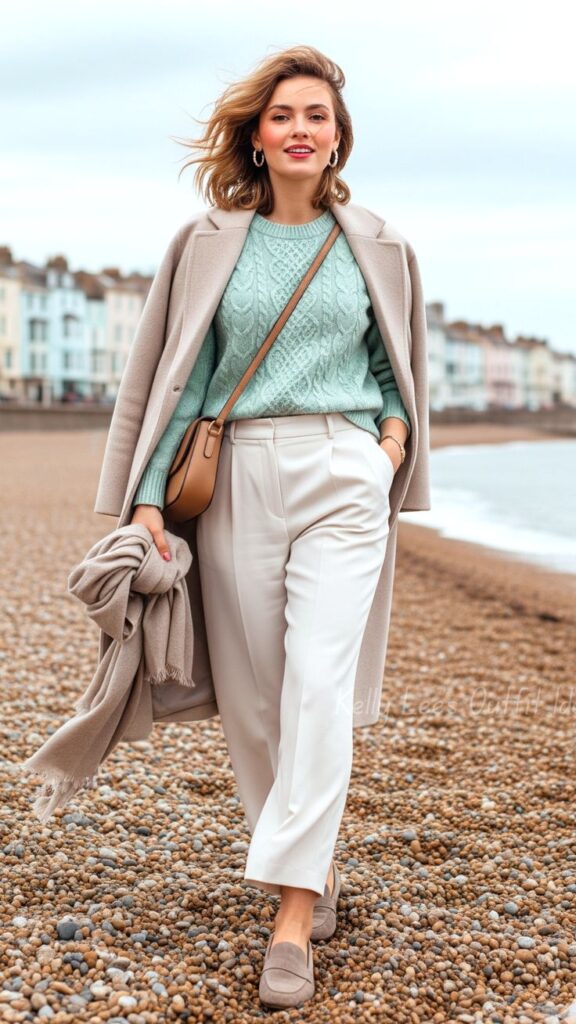
Step-by-Step Guide or Practical Breakdown
This section explains simple outfit formulas that work for most women and most occasions.
1. Everyday Casual Style
This is for daily activities like errands, school, or relaxed outings.
Simple outfit ideas:
- Plain T-shirt + jeans + sneakers
- Casual top + trousers + flats
- Simple dress + comfortable shoes
Tips:
- Keep colors neutral
- Avoid over-accessorizing
- Choose comfort first
Casual outfits should feel easy and relaxed.
2. Smart Casual Style
Smart casual is polished but not formal.
Perfect for:
- Casual offices
- Lunch dates
- Informal meetings
Simple outfit ideas:
- Blouse + trousers + flats
- Knit top + skirt + low heels
- Shirt + jeans + clean shoes
Add a light jacket or cardigan for structure.
3. Work and Office Style
Office outfits should look neat and professional.
Simple work essentials:
- Neutral blouses
- Tailored trousers or skirts
- Closed shoes
Stick to:
- Simple colors
- Clean fabrics
- Comfortable fits
You do not need many office outfits—just a few reliable ones.
4. Weekend and Social Outfits
Weekend style is relaxed but still put-together.
Easy combinations:
- Casual dress + sneakers
- T-shirt + skirt + sandals
- Relaxed trousers + top
Comfort is key, but cleanliness still matters.
5. Special Occasions and Events
Special events need slightly more effort.
Simple rules:
- Choose one main piece
- Keep accessories minimal
- Avoid overly tight or uncomfortable clothes
A classic dress or coordinated outfit works best.
6. Seasonal Dressing Made Simple
Adjust outfits based on weather.
Warm weather:
- Lightweight fabrics
- Breathable tops
- Simple dresses
Cool weather:
- Layering
- Sweaters and jackets
- Neutral outerwear
Comfort and practicality matter in every season.
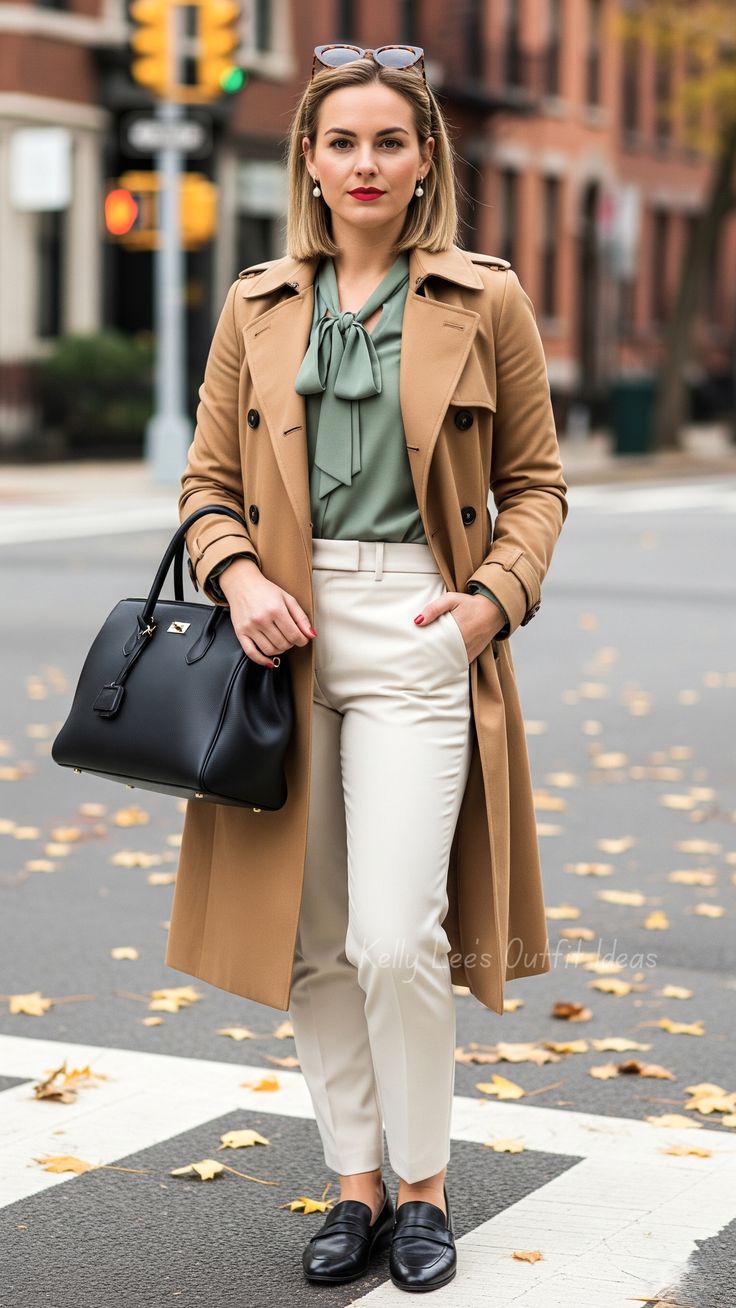
Common Mistakes to Avoid
Buying Clothes Without a Plan
Random shopping leads to unused clothes.
Always ask:
- Where will I wear this?
- What will I wear it with?
Chasing Trends Too Often
Trends change quickly.
Focus on basics first, then add trends slowly.
Ignoring Fit and Comfort
Uncomfortable clothes are rarely worn.
If it doesn’t feel right, skip it.
Overloading Outfits
Too many colors, patterns, or accessories can feel messy.
Simple outfits often look more elegant.
Comparing Your Style to Others
Style is personal.
Dress for your body, lifestyle, and comfort—not social media.
Helpful Fashion Tips That Make a Real Difference
- Repeat outfits confidently
- Keep clothes clean and wrinkle-free
- Choose shoes you can walk in
- Organize your wardrobe regularly
- Dress for your real daily life
Good habits improve style more than new clothes.
Budget-Friendly Advice
Looking good does not require a big budget.
Smart budget tips include:
- Buying fewer but better pieces
- Shopping sales for basics
- Choosing versatile items
- Avoiding impulse purchases
A small, well-planned wardrobe works better than a large one.
Brand Examples (Optional & Natural)
Some affordable brands offer useful basics for women.
For example:
- Uniqlo for simple, neutral clothing
- H&M and Zara for smart casual options
- Nike and Adidas for casual shoes and basics
These are examples only.
Always focus on fit, comfort, and quality.
Frequently Asked Questions (FAQs)
1. How many outfits does a woman really need?
A small wardrobe with 15–20 key pieces is enough.
2. Is it okay to repeat outfits often?
Yes.
Repeating outfits is normal and practical.
3. Can simple outfits still look stylish?
Absolutely.
Simplicity often looks more confident and elegant.
4. Do I need to follow fashion trends?
No.
Basics should always come first.
5. How do I find my personal style?
Start with basics and notice what you enjoy wearing most.
6. Can women dress well on a tight budget?
Yes.
Smart choices matter more than price.
Final Thoughts / Conclusion
Good style does not need to be complicated.
It starts with understanding the basics and building simple outfits that work.
When you focus on fit, simplicity, and comfort, dressing well becomes easy.
You save money, reduce stress, and feel confident every day.
Start small.
Build slowly.
And remember—your style should support your life, not overwhelm it.

