

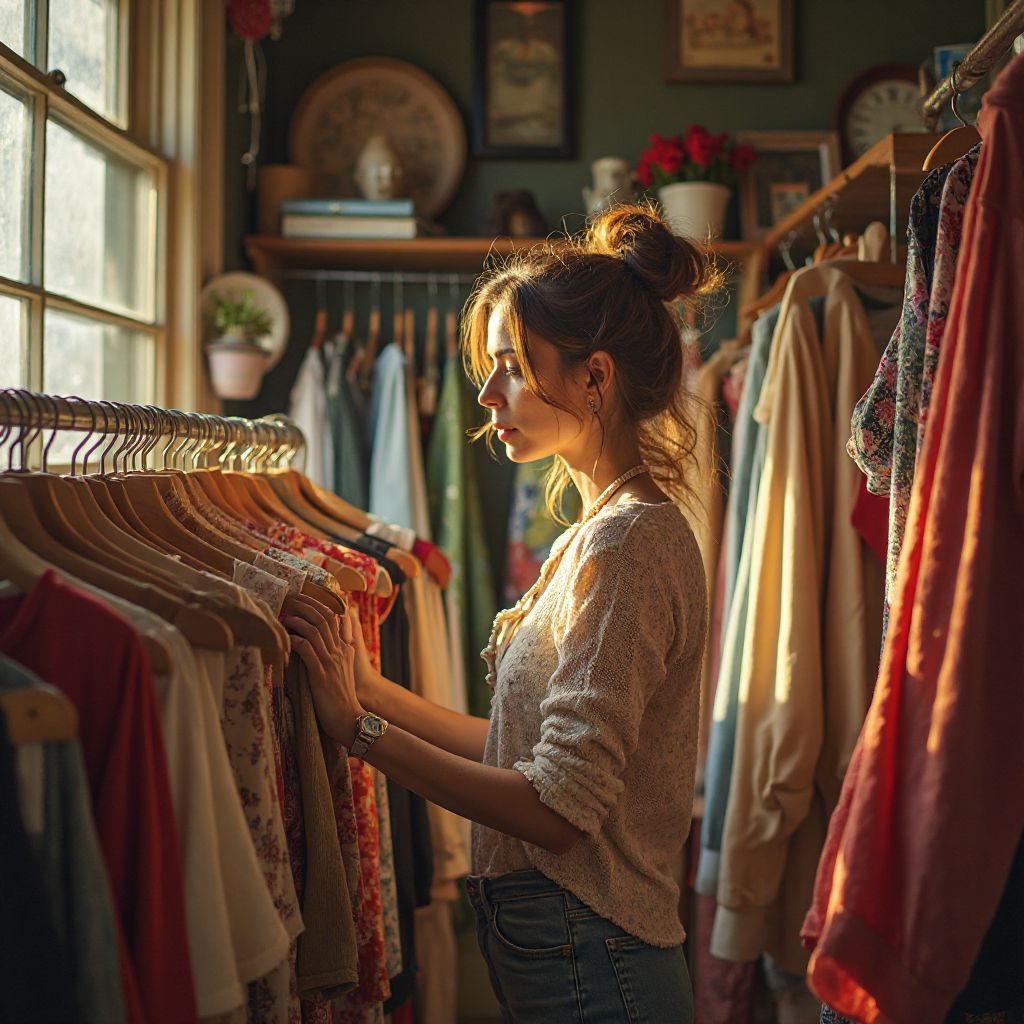
What Vintage Shopping Teaches You About the True Value of Clothes
Ever wondered if there’s more to your wardrobe than just the latest trend? Step into the captivating world of vintage shopping, and you’ll quickly discover that the true value of clothing goes far beyond a price tag or a fleeting season. As a fashion stylist with a decade of experience navigating both high-end boutiques and dusty thrift stores, I can tell you that vintage isn’t just about finding a bargain; it’s a masterclass in conscious consumption, quality appreciation, and developing a truly unique personal style.
Beyond the Hype: Why True Value Matters More Than Ever
In an era dominated by fast fashion giants like Zara, H&M, and ASOS, where new collections drop weekly and trends burn out before you can even wear them twice, it’s easy to fall into the trap of disposable clothing. We’re conditioned to seek novelty, to buy more for less, often at the expense of quality, craftsmanship, and ethical production. This relentless cycle not only takes a toll on our wallets and the environment but also strips away our understanding of what makes a garment truly valuable.
The shift towards conscious consumerism is gaining momentum, fueled by a desire for sustainability and individuality. People are increasingly looking for ways to express themselves without contributing to overproduction and waste. This is where vintage shopping shines. It offers a tangible alternative, teaching us to slow down, appreciate the artistry, and invest in pieces that tell a story and stand the test of time. It’s about moving away from fleeting trends dictated by magazines like Vogue and embracing a more thoughtful, enduring approach to fashion.
Unearthing True Value: A Vintage Shopper’s Journey
Vintage shopping isn’t just a hobby; it’s an education. Here’s what it teaches you about the real worth of your clothes:
The Quality Quest: Learning to Discern
When you’re sifting through racks of pre-loved garments, you quickly develop an eagle eye for quality. You learn to feel the difference between a robust wool tweed and a flimsy synthetic blend, to spot sturdy, well-executed seams versus loose, rushed stitching. A vintage cashmere sweater, even with a few tiny pills, often feels far superior and lasts longer than a brand-new, cheap acrylic version from a fast-fashion retailer. This hands-on experience teaches you to prioritize durable fabrics, solid construction, and attention to detail, making you a much smarter shopper even when buying new.
Design Longevity: Appreciating Timelessness
Vintage pieces, by their very nature, have already proven their endurance. They’ve survived decades because their design was classic, their construction robust. Think of a perfectly tailored Ralph Lauren blazer from the 90s, a classic Levi’s denim jacket, or a simple, elegant silk blouse. These items transcend fleeting trends. While a trendy top from Zara might be “out” next season, a well-preserved vintage piece often fits seamlessly into a modern wardrobe, proving that true style is timeless, not trendy.
The Story Behind the Stitch: Embracing Uniqueness
Every vintage garment comes with a history, a whisper of a past life. This inherent narrative adds an emotional value that mass-produced items simply can’t replicate. Finding a unique, hand-embroidered dress or a quirky 70s handbag isn’t just acquiring an item; it’s adopting a piece of history. This fosters a deeper connection to your clothes, transforming them from mere commodities into cherished possessions that reflect your individuality.
The Art of the Deal: Understanding Real Cost Per Wear
Vintage shopping often allows you to acquire high-quality, sometimes even designer pieces (like a classic Gucci scarf or a Louis Vuitton bag from an earlier era), at a fraction of their original retail price. This teaches you to calculate “cost per wear.” A $20 vintage wool coat that lasts you another ten years is a far better investment than a $50 polyester coat that falls apart after two seasons. It’s about recognizing that true value isn’t just the initial price tag, but the longevity and joy a garment brings over time.
Developing Your Unique Style Voice: Beyond the Mainstream
When you shop vintage, you’re not just buying clothes; you’re curating a personal collection. You’re forced to think creatively, to mix and match eras, and to develop an eye for what truly suits you, rather than blindly following what’s displayed in mall windows. This process empowers you to cultivate a distinctive style that is authentically yours, free from the dictates of mainstream fashion and the pressure to conform.
Expert Tips for the Savvy Vintage Hunter
Know Your Fabrics (and How to Care for Them): Familiarize yourself with natural fibers like wool, silk, cotton, and linen. They generally last longer and age better than synthetics. Learn basic care – often, a gentle hand wash or dry clean is all a vintage piece needs to thrive for years.
Embrace the Imperfect: Don’t shy away from minor flaws. A missing button, a loose hem, or a small stain can often be easily remedied. These imperfections are part of the garment’s story and can lead to incredible finds at even better prices. Just be realistic about what’s repairable.
The Tailor is Your Secret Weapon: Many incredible vintage pieces might not fit perfectly off the rack. A good tailor can work wonders, transforming an oversized blazer into a sharp, custom-fit jacket, or adjusting the length of a dress. It’s an investment that significantly increases the wearability and value of your find.
Think Seasonally, Shop Opportunistically: While it’s great to find a cashmere sweater in winter, you’ll often find better deals on seasonal items when they’re out of season. Look for summer dresses in autumn and winter coats in spring.
Mistakes to Avoid on Your Vintage Journey
Buying for the Brand Alone: Just because it’s a vintage Chanel or Hermès doesn’t automatically mean it’s a good buy. Inspect the condition thoroughly. A heavily damaged designer piece might not be worth the investment, even if the label is prestigious.
Ignoring Condition: Don’t overlook significant damage like large holes, irreparable stains, or persistent odors. While minor fixes are fine, major overhauls can be costly and frustrating.
Not Trying Things On: Sizes vary wildly across eras and brands. A “size 8” from the 1960s will likely fit differently than a modern “size 8.” Always try on garments to ensure a good fit, or at least measure carefully.
Impulse Buying: It’s easy to get swept up in the excitement of a unique find. Take a moment to consider if the item truly fits your style, your wardrobe needs, and if you’ll actually wear it.
The Last Stitch: A New Perspective on Your Wardrobe
Vintage shopping is more than just a retail therapy session; it’s a profound lesson in appreciating the true value of clothes. It teaches you to look beyond fleeting trends and marketing hype, empowering you to make informed, sustainable, and personal choices about what you wear. It transforms you from a passive consumer into a discerning curator of your own unique style story.
So, the next time you’re contemplating a new purchase, I urge you to consider the journey of that garment. What’s its story? How long will it last? Does it truly reflect who you are? Take a step away from the fast-fashion frenzy and explore the treasures waiting in vintage shops, online marketplaces, and even your grandmother’s attic. You might just discover that the most valuable pieces are the ones with a past, ready to embark on a new chapter with you. Go forth and curate a wardrobe that truly reflects your values and vision!

