

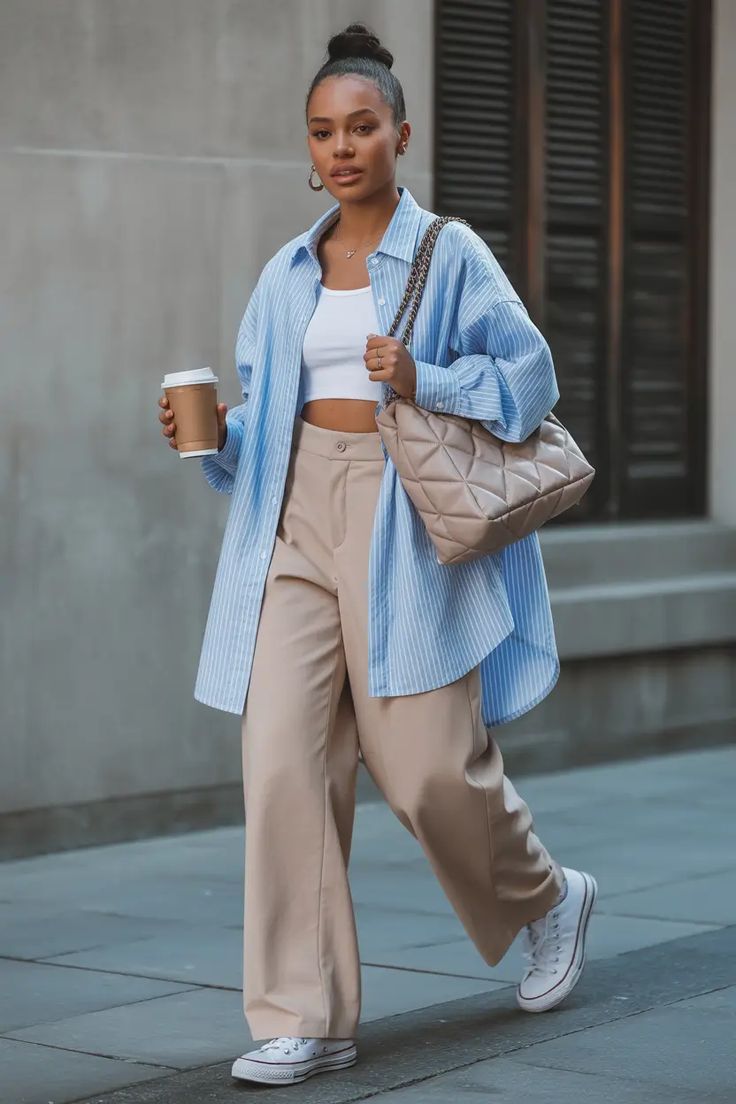
Looking stylish does not start with expensive clothes or celebrity inspiration.
It starts with small daily habits.
This article is for beginners, students, working professionals, and everyday people who simply want to dress better without feeling confused or pressured to spend a lot of money.
You do not need to be a fashion expert.
You do not need a huge wardrobe.
You only need consistent, simple habits that slowly improve how you look and feel.
In this guide, you will learn practical daily fashion habits that build better style over time. These are realistic tips you can apply right away—at home, at school, or at work.
Think of this as friendly advice from a helpful stylist who wants your clothes to work for you, not against you.
Let’s begin.
Why This Topic Is Important
Many people believe style is about trends or luxury brands.
That is not true.
Real style is about:
- Looking clean and put together
- Feeling confident in your clothes
- Making smart choices with what you already own
- Avoiding wasteful shopping
- Building a wardrobe that lasts
Daily fashion habits help you:
Save money
You stop buying random items and start buying useful pieces.
Save time
Getting dressed becomes easier because your clothes work together.
Feel more confident
You know what fits, what flatters you, and what feels right.
Look more professional
Even casual outfits appear more polished when you follow good habits.
Reduce stress
No more staring at your closet wondering what to wear.
Small actions done every day create big results over months and years.
That is why this topic matters.
Fashion Basics You Need to Know
Before we jump into habits, let’s cover a few simple fashion basics.
Do not worry. This is beginner-friendly.
Fit Comes First
Fit is more important than brand.
A simple shirt that fits well looks better than an expensive shirt that does not.
Good fit means:
- Shoulders sit properly
- Sleeves are not too long or too short
- Pants are not dragging on the floor
- Clothes follow your body without being tight
When in doubt, choose comfort with structure.
Neutrals Are Your Best Friends
Neutral colors make dressing easier:
- Black
- White
- Gray
- Navy
- Beige
- Brown
These colors mix well together and work in many situations.
You can always add brighter colors later.
Clean Always Beats Trendy
Wrinkled clothes, dirty shoes, and stained shirts ruin any outfit.
Clean and neat beats fashionable but messy.
Every time.
Simple Is Powerful
You do not need complicated outfits.
A clean T-shirt, good jeans, and tidy shoes already look great.
Simple outfits worn well create strong style.
Step-by-Step Guide or Practical Breakdown
Here are daily fashion habits that slowly upgrade your style over time.
You do not need to do everything at once.
Start with a few.
1. Check Your Clothes Before Wearing Them
Make this a daily habit.
Before leaving home, take 30 seconds to look in the mirror.
Check for:
- Wrinkles
- Lint or dust
- Stains
- Loose threads
Fix small issues immediately.
This tiny habit makes a huge difference.
2. Build Outfits, Not Just Buy Clothes
When you buy something new, ask:
- Can I wear this with at least three items I already own?
- Does it match my usual colors?
- Does it fit my lifestyle?
If the answer is no, think twice.
Good style comes from outfits that work together, not random pieces.
3. Learn Your Go-To Colors
Notice which colors look good on you and make you feel confident.
Start building around those.
Most people look great in:
- Navy
- Gray
- Earth tones
- Soft blues
- Neutral shades
Once you know your favorites, dressing becomes easier.
4. Take Care of Your Clothes Daily
Clothing care is part of fashion.
Simple habits include:
- Hang or fold clothes properly
- Air-dry when possible
- Read washing labels
- Rotate shoes so they can rest
- Use a lint roller
Well-cared-for clothes last longer and look better.
5. Keep Shoes Clean
Shoes complete your outfit.
Dirty shoes can ruin even great clothes.
Try to:
- Wipe shoes after wearing
- Store them neatly
- Use simple cleaning methods regularly
Clean shoes make you look instantly more put together.
6. Plan Tomorrow’s Outfit Tonight
This habit saves time and stress.
At night:
- Check the weather
- Think about your day
- Pick clothes in advance
Mornings become easier.
Your outfits become more thoughtful.
7. Dress for Your Real Life
Style should fit your daily routine.
If you walk a lot, choose comfortable shoes.
If you work in an office, focus on neat basics.
If you study, go for clean casual looks.
Do not dress for an imaginary life.
Dress for your real one.
8. Notice What You Actually Wear
Every few weeks, look at your closet.
Ask:
- What do I wear often?
- What do I ignore?
- Why?
This helps you understand your true style and avoid future mistakes.
Common Mistakes to Avoid
Many beginners fall into these traps.
Here is how to avoid them.
Buying Without a Plan
Impulse shopping leads to clutter.
Always think before buying.
Ask yourself if it fits your wardrobe.
Ignoring Fit
Do not accept poor fit just because something is cheap.
Tailoring simple items can change everything.
Even basic adjustments help.
Chasing Every Trend
Trends come and go.
Classic pieces stay.
Focus on timeless basics first.
Keeping Clothes You Never Wear
If you have not worn something in a year, consider letting it go.
A smaller, useful wardrobe is better than a full one.
Forgetting Grooming
Hair, hygiene, and neatness matter as much as clothes.
Fashion works best with good personal care.
Helpful Fashion Tips That Make a Real Difference
These small tips add polish to your look.
- Steam or iron clothes when needed
- Keep a basic watch or simple accessories
- Tuck in shirts when appropriate
- Roll sleeves neatly for casual looks
- Match belt color with shoes when possible
- Keep nails clean and trimmed
Also:
Take photos of outfits you like.
Over time, you will see patterns in what works for you.
Budget-Friendly Advice
Good style does not require a big budget.
Here is how to dress better while spending less.
Start With Basics
Invest first in:
- Plain T-shirts
- Simple shirts
- Neutral pants or jeans
- Comfortable shoes
These pieces work in many outfits.
Buy Less, Choose Better
Instead of many cheap items, buy fewer quality pieces.
They last longer and look better.
Use Sales Wisely
Sales are great when you already need something.
Avoid buying just because it is discounted.
Try Thrift or Second-Hand Shops
You can find great basics for much less money.
Look for:
- Jackets
- Shirts
- Jeans
- Bags
Check quality carefully.
Learn Simple Clothing Repairs
Small skills like sewing a button save money.
They also extend clothing life.
Build Slowly
You do not need everything now.
Add one useful item at a time.
Style grows with patience.
Brand Examples (Optional & Natural)
Many affordable brands offer simple basics suitable for beginners.
For example:
- Uniqlo is known for clean, minimal essentials
- H&M and Zara offer trend-aware basics at accessible prices
- Nike and Adidas provide casual footwear and sportswear
These are only examples.
You can find good clothes in local stores too.
What matters is fit, comfort, and usefulness—not labels.
Frequently Asked Questions (FAQs)
1. How long does it take to improve personal style?
You will notice small changes in weeks.
Real confidence grows over months as habits become natural.
Be patient with yourself.
2. Do I need a large wardrobe?
No.
A small collection of versatile pieces works better than a crowded closet.
Quality beats quantity.
3. What if I do not know my style yet?
That is normal.
Start with simple, neutral clothes.
Pay attention to what feels good.
Your style will develop naturally.
4. How often should I clean out my closet?
Every 3–6 months is a good rhythm.
Remove items that no longer fit your life.
5. Can casual clothes still look stylish?
Yes.
Clean sneakers, well-fitted jeans, and a neat T-shirt can look great.
Casual does not mean careless.
Final Thoughts / Conclusion
Great style is not built in one shopping trip.
It is built through daily habits.
Small actions like checking your clothes, caring for shoes, planning outfits, and choosing better basics slowly transform how you look and feel.
You do not need perfection.
You do not need expensive brands.
You only need consistency.
Start with one habit today.
Then add another next week.
Over time, these simple routines will create a wardrobe that fits your life, supports your confidence, and saves you money.
Fashion should help you feel comfortable, capable, and confident—every single day.
You already have what it takes.
Just begin.

