

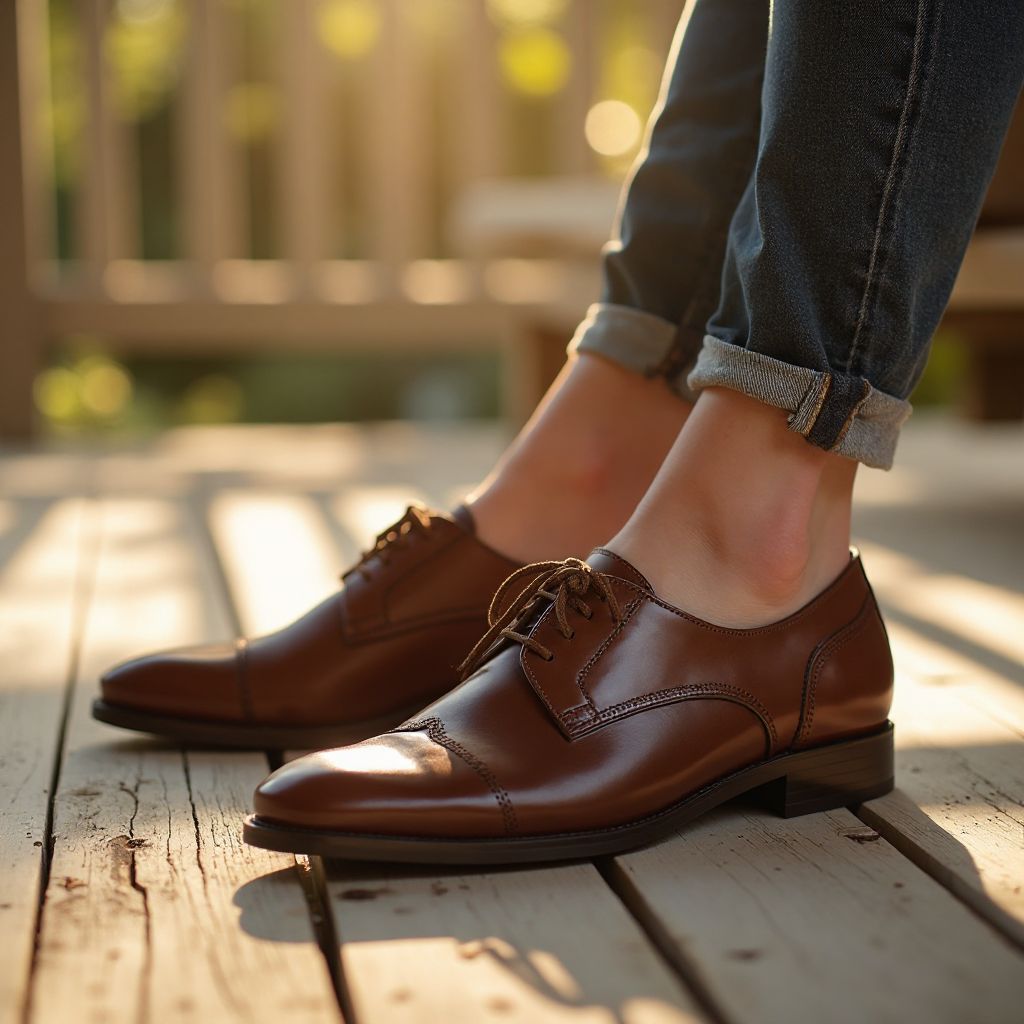
The Best Way to Break In New Shoes Without Destroying Your Feet
We’ve all been there: the thrill of a gorgeous new pair of shoes, fresh out of the box, promising to elevate every outfit. But that initial sparkle can quickly turn into a painful nightmare of blisters, pinches, and aching arches. You’re left wondering if looking fabulous is truly worth hobbling home. As a stylist with a decade of experience, I’m here to tell you it doesn’t have to be this way. Breaking in new shoes is an art, not a torture session, and with the right approach, you can step out in style and comfort from day one.
Why Breaking In Shoes Matters More Than Ever
In today’s fashion landscape, where trends swing from “quiet luxury” to vibrant street style, shoes are more than just an accessory – they’re a statement. Whether you’ve invested in a classic pair of
Gucci loafers
, elegant
Chanel ballet flats
, or the latest
Nike sneakers
, the expectation is that they not only look good but feel good too. The rise of both high-end investment pieces and accessible fast fashion from brands like
Zara
and
H&M
means our shoe wardrobes are more diverse than ever. And while a pair of supple leather
Louis Vuitton
boots might feel luxurious, even they can be surprisingly stiff initially. Ignoring the breaking-in process can lead to long-term foot issues, ruining not just your day, but potentially your relationship with those coveted new kicks. Comfort is no longer a compromise; it’s a non-negotiable part of modern style, as often highlighted in pages of
Vogue
and other leading fashion publications.
Your Step-by-Step Guide to Pain-Free Breaking In
1. Start Slow: The Indoor Introduction
-
Short Bursts: Don’t wear new shoes for a full day right away. Begin by wearing them around the house for 20-30 minutes at a time. This allows your feet to adjust to the shoe’s shape and the material to start softening without the added pressure of outdoor elements or long walks.
-
Listen to Your Feet: Pay attention to any pressure points or rubbing. This early detection is key to preventing blisters.
2. Embrace the Power of Socks
-
Thick Socks are Your Friend: For leather shoes, especially boots or stiff flats, wear them with your thickest socks around the house. This gently stretches the material and creates a protective barrier for your feet. Think of it as a subtle, natural stretching mechanism.
-
Moisture-Wicking for Sneakers: Even with athletic shoes like
Nike
or
Adidas
, good quality, moisture-wicking socks can prevent chafing as the shoe molds to your foot.
3. Gentle Heat for Leather
-
Hairdryer Method (Use Caution!): For genuine leather shoes (like those exquisite
Hermès
sandals or classic
Ralph Lauren
riding boots), you can use a hairdryer on a low-medium setting. Put on thick socks, wear the shoes, and gently warm the tight spots for 20-30 seconds, flexing your foot as you go. Walk around in them until they cool. This helps the leather soften and mold. Never hold the hairdryer too close or for too long, and avoid this method for synthetic materials.
4. Invest in Smart Tools
-
Shoe Stretchers: These adjustable devices can be a godsend for targeted stretching. Available widely from retailers like
ASOS
or specialist shoe stores, they can widen and lengthen shoes, or even target specific bunion areas. Leave them in overnight for gradual stretching.
-
Shoe Stretch Sprays: Often used in conjunction with stretchers, these sprays help soften leather fibers, making them more pliable and responsive to stretching. Follow product instructions carefully.
5. Proactive Protection
-
Moleskin & Blister Patches: Don’t wait for a blister to form. If you know certain areas of a new shoe tend to rub (e.g., the heel of a new pump or the side of a loafer), apply moleskin or a preventative blister patch to your foot before you even step out. This creates a friction-free zone.
-
Anti-Blister Balms: These clear sticks glide onto your skin, creating an invisible barrier that reduces friction. A small but mighty tool for comfort.
Expert Tips You Won’t Find Everywhere
1. Know Your Shoe’s DNA
Different materials require different care. Leather (like on your
Gucci
or
Chanel
pieces) will stretch and mold beautifully over time. Synthetics, common in
Zara
or
H&M
shoes, have less give and might require more mechanical stretching with shoe stretchers. Canvas, often found in sneakers, is quite forgiving but benefits from the thick sock method.
2. The Freezer Bag Trick (for Width)
For shoes that are a bit too narrow, this is a clever hack for leather or sturdy canvas. Fill two sealable plastic bags (double-bagged for safety!) with water, placing one inside each shoe. Ensure the bags are positioned in the areas you want to stretch. Place the shoes in the freezer overnight. As the water freezes and expands, it gently stretches the shoe. Remove once thawed. This works wonders for ballet flats or tight pumps.
3. Custom Inserts & Heel Grips
Sometimes, it’s not the shoe’s fault entirely, but your foot’s unique shape. Investing in quality gel inserts, arch supports, or heel grips can make a world of difference. Heel grips, in particular, can prevent slipping and rubbing in pumps or loafers, making even high-end designer shoes feel custom-fit. Many luxury shoe boutiques will even offer advice on this.
4. Don’t Underestimate Your Cobbler
For truly stubborn shoes, or expensive investment pieces like those
Louis Vuitton
heels or
Ralph Lauren
boots, a professional cobbler is your best friend. They have specialized tools and techniques to stretch shoes safely and effectively, often with better results than DIY methods. They can also add protective sole guards or adjust straps.
5. Patience is a Virtue (and a Foot-Saver)
Breaking in shoes isn’t a race. It’s a gradual process that can take anywhere from a few days to a couple of weeks, depending on the shoe and material. Rushing it is the surest way to end up with blisters and discomfort. Give your feet, and your new shoes, the time they need to get acquainted.
Mistakes to Avoid at All Costs
-
The “Big Event” Debut: Never, ever wear brand new, un-broken-in shoes to a wedding, a long day of sightseeing, or any event where you’ll be on your feet for hours. It’s a recipe for disaster.
-
Ignoring Early Discomfort: A little snugness is fine, but sharp pain or immediate rubbing should be addressed. Don’t “power through” it; your feet will thank you.
-
Soaking Shoes in Water: While moisture can help leather stretch, soaking shoes can damage the material, adhesives, and overall structure. Stick to targeted sprays or the freezer bag method.
-
Buying the Wrong Size: No amount of stretching will fix a shoe that’s fundamentally the wrong size. Always get your feet measured, and remember that sizes can vary between brands (even within
Zara
or
Chanel
collections!). Try shoes on at the end of the day when your feet are slightly swollen.
-
Over-Stretching: While stretching is good, excessive stretching can damage the shoe’s integrity, making it too loose and affecting its support and aesthetic.
Step Out in Style and Comfort
Breaking in new shoes doesn’t have to be a painful ordeal. With a little foresight, patience, and these tried-and-true methods, you can ensure that every new addition to your shoe collection brings joy, not agony. From your budget-friendly finds on
ASOS
to those aspirational
Hermès
investments, your feet deserve comfort. Remember, truly fashionable feet are happy feet.
Now, go forth, conquer your new shoes, and share your favorite breaking-in trick with us!

