

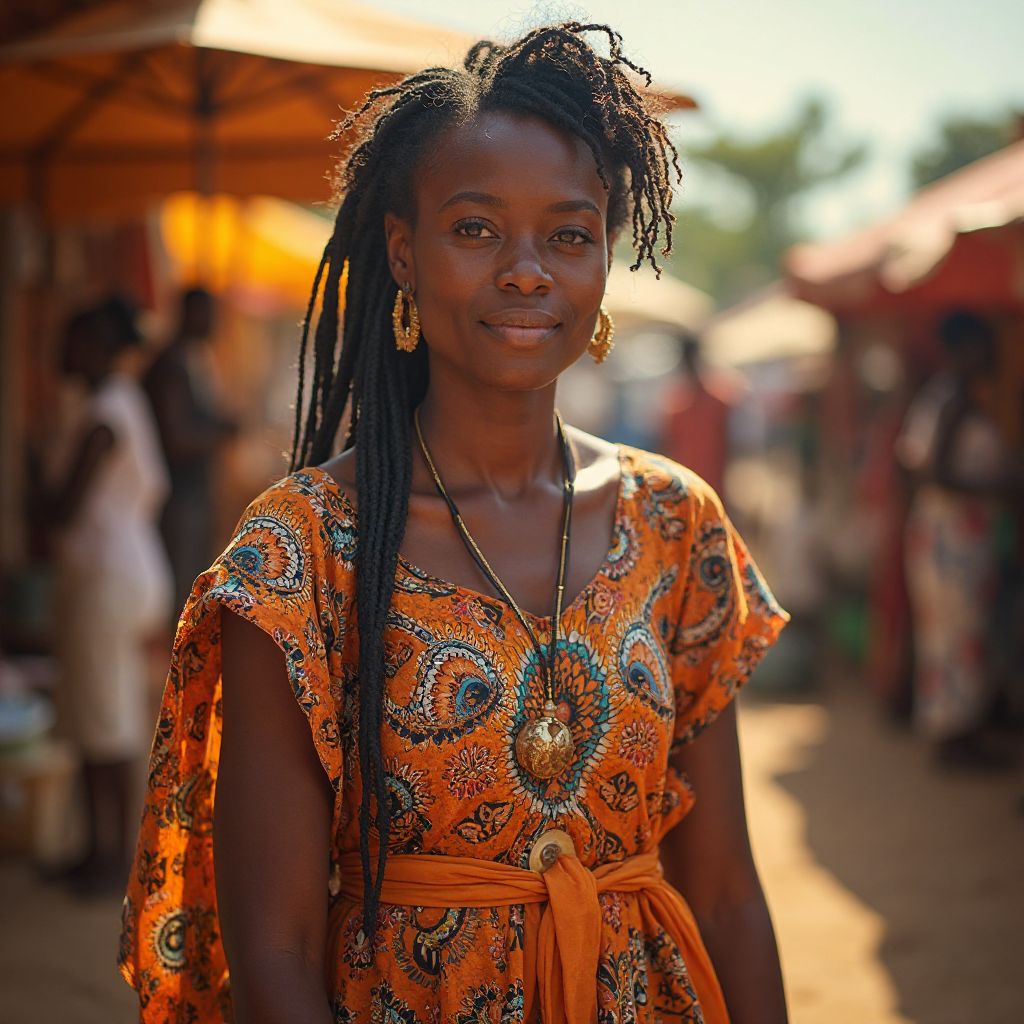
A Complete Style Guide to Dressing for Different African Weather Patterns
Tired of feeling sticky in Lagos’s humidity or shivering in Nairobi’s unexpected chill? Dressing for Africa’s incredibly diverse climates can feel like a puzzle, but with the right knowledge, you can master the art of looking effortlessly chic and feeling comfortable, no matter the forecast.
Why Understanding African Weather is Your Ultimate Style Hack
Africa is a continent of breathtaking contrasts, not just in its cultures and landscapes, but also in its weather. From the scorching deserts of the Sahara to the humid coastlines of West Africa, the temperate highlands of East Africa, and the seasonal rains that sweep across vast regions, a one-size-fits-all wardrobe simply won’t do. Understanding these varied patterns isn’t just about comfort; it’s about smart styling, protecting your skin, respecting local customs, and making your travel or daily life much more enjoyable. In an era where global warming brings increasingly unpredictable conditions, being sartorially prepared is more relevant than ever.
Your Practical Guide to Dressing for Every African Climate
Hot & Humid Climates (Think Coastal West Africa, Central Africa)
For regions like Accra, Lagos, or Mombasa, where the air is thick with moisture and temperatures soar, your wardrobe strategy should prioritize breathability and airflow.
- Fabrics: Embrace natural fibers like linen, cotton, and rayon. These materials allow your skin to breathe and wick away moisture. Avoid heavy synthetics that trap heat. Think of a crisp linen shirt from Zara or a light cotton dress from H&M.
- Silhouettes: Loose, flowing garments are your best friend. Maxi dresses, wide-leg trousers, kaftans, and relaxed-fit shirts prevent fabric from clinging to your body, promoting air circulation.
- Colors: Lighter colors reflect sunlight, keeping you cooler. Whites, pastels, and bright hues are not only practical but also exude a fresh, summery vibe.
- Footwear: Open-toed sandals, espadrilles, and slides are perfect. Look for comfortable options that allow your feet to breathe.
- Accessories: A wide-brimmed hat is essential for sun protection, and good quality sunglasses are a must. Consider a stylish straw tote for your essentials.
Dry Heat Climates (Think Sahara, Kalahari, parts of East Africa)
In places like Marrakech, Botswana’s desert regions, or parts of Kenya’s arid north, the sun is intense, and while evenings can cool down significantly, daytime demands protection from harsh rays.
- Fabrics: Lightweight cotton and linen are still key. However, a light, breathable wool or cashmere shawl (perhaps a luxurious touch from Louis Vuitton or Hermès for cooler evenings) can be surprisingly effective for temperature regulation when the sun dips.
- Silhouettes: While loose is good, coverage is crucial here. Long sleeves and trousers protect your skin from the sun. Think safari-chic: a classic cotton button-down from Ralph Lauren paired with breathable chinos.
- Colors: Earthy tones like sand, khaki, and terracotta blend beautifully with the landscape and can hide dust better than stark white.
- Footwear: Closed-toe sandals or light boots are practical for dusty terrains and offer more protection.
- Accessories: A multi-functional scarf is invaluable – use it to cover your head, protect your neck from the sun, or even as a light wrap in the evening.
Rainy Season Climates (Widespread across many regions at different times)
From Cape Town’s winter rains to East Africa’s “long rains,” preparing for downpours is vital. Staying dry and comfortable is the goal.
- Fabrics: Quick-drying synthetics, water-resistant treated cotton, or light nylon blends are ideal.
- Silhouettes: Layering is paramount. A light, packable rain jacket (Nike’s ACG line offers great options) over your regular outfit allows you to adapt quickly.
- Footwear: Waterproof boots or sturdy, water-resistant closed-toe shoes are a game-changer. Avoid suede or delicate fabrics. H&M often has budget-friendly rain boots.
- Accessories: A compact umbrella is non-negotiable. A waterproof backpack or bag will protect your electronics and valuables.
Cooler Altitudes & Temperate Climates (Think Nairobi, Addis Ababa, South Africa’s Drakensberg)
Cities like Nairobi, often called the “Green City in the Sun,” can have surprisingly cool mornings and evenings, even if days are warm. South Africa’s diverse climate includes regions with distinct four seasons.
- Fabrics: Layer with versatile fabrics like merino wool, fleece, denim, and even light cashmere.
- Silhouettes: Think smart layering. A long-sleeved top under a light sweater or cardigan, paired with jeans or tailored trousers. A stylish denim jacket or a classic trench coat (perhaps inspired by a timeless piece from Chanel) can elevate your look. ASOS is a great place for trendy, accessible layering pieces.
- Footwear: Closed-toe shoes, ankle boots, or stylish sneakers (Nike’s more fashion-forward options) are perfect.
- Accessories: A lightweight scarf can add warmth and a pop of color.
Expert Tips for African Weather Styling
- The Scarf is Your Superpower: Beyond just warmth or style, a lightweight scarf can protect you from sun, dust, and even act as an impromptu head covering when visiting cultural sites. It’s the ultimate versatile accessory.
- Fabric First, Always: Don’t compromise on material. Natural fibers are worth the investment for comfort, breathability, and durability in challenging climates. You’ll thank yourself later.
- Invest in Quality Footwear: Your feet will endure a lot, whether it’s dusty roads, unexpected puddles, or long walks. Comfortable, durable, and weather-appropriate shoes are non-negotiable.
- Embrace Local Craftsmanship: Explore local markets and boutiques. You’ll often find beautifully made, culturally appropriate, and weather-perfect pieces – from vibrant ankara prints to hand-woven textiles – that also support local artisans.
- Layering is Your Best Friend: Africa’s weather can change dramatically within a day. Start with a light base, add a shirt or light jacket, and finish with a shawl or sweater you can easily shed or put on.
Mistakes to Avoid
- Ignoring Local Customs: In many regions, modest dressing is appreciated, especially outside of major cities or when visiting religious sites. Research local norms.
- Overpacking Heavy Fabrics: Leave the thick denim and heavy wool at home unless you’re specifically heading to a very cold region. They take up space and won’t be comfortable.
- Underestimating Sun Protection: Sunscreen, hats, and sunglasses are non-negotiable, even on cloudy days or in cooler climates.
- Wearing Impractical Footwear: High heels on cobblestone streets or delicate sandals on dusty paths are a recipe for discomfort and ruined shoes.
- Not Checking Local Forecasts: Always check the specific forecast for your destination, as microclimates can vary wildly even within a small country.
Conclusion
Dressing for Africa’s diverse weather isn’t about sacrificing style; it’s about smart choices that enhance your comfort, confidence, and connection to your surroundings. By understanding the nuances of each climate and embracing versatile, breathable pieces, you can curate a wardrobe that’s both practical and profoundly chic. So, step out with confidence, knowing you’re perfectly dressed for whatever African adventure awaits!
What are your go-to pieces for tackling different African weather patterns? Share your top styling secrets below!

