

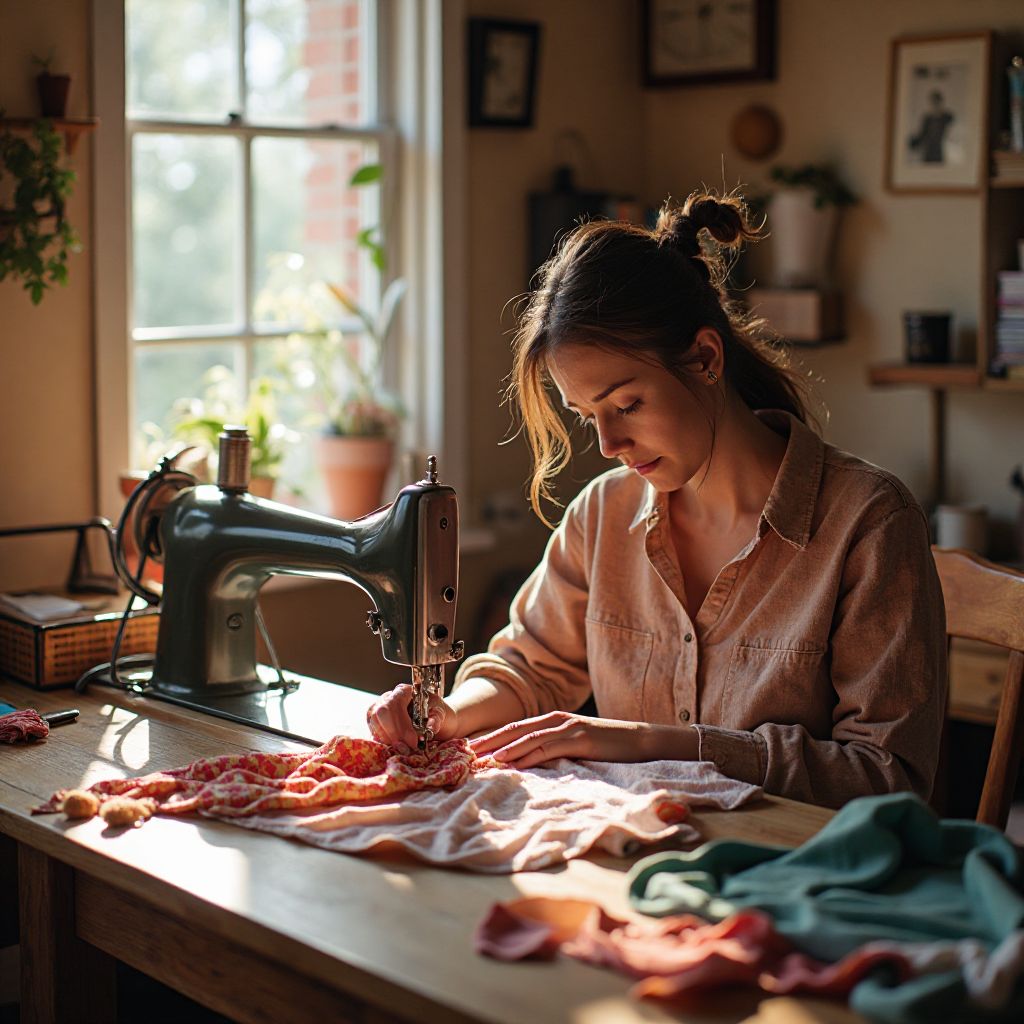
Why Every Budget Shopper Should Learn Basic Sewing Skills
Imagine effortlessly transforming a bargain bin find into a bespoke masterpiece, or extending the life of your favorite garment with a few simple stitches. As a fashion stylist with a decade of experience navigating the sartorial landscape, I can tell you that this isn’t just a fantasy – it’s an accessible reality for anyone willing to pick up a needle and thread.
The Unsung Hero in Today’s Fashion Landscape
In an era dominated by fast fashion giants like Zara, H&M, and ASOS, the allure of trendy, inexpensive clothing is undeniable. However, this convenience often comes with hidden costs: questionable quality, a disposable mindset, and a significant environmental footprint. We’ve all experienced the disappointment of a beloved dress falling apart after a few wears, or a pair of trousers from a sale rack fitting just “okay.” In a world where luxury brands like Gucci, Chanel, and Louis Vuitton set the standard for impeccable fit and enduring quality, the gap between aspiration and affordability seems vast. This is precisely where basic sewing skills become your secret weapon.
Beyond the allure of high-end tailoring often showcased in the pages of Vogue, there’s a growing movement towards sustainability and mindful consumption. Learning to sew isn’t just about saving money; it’s about reclaiming agency over your wardrobe, fostering creativity, and making a conscious choice to participate in a more sustainable fashion future. It’s about turning those “almost perfect” pieces into “perfect” pieces, making your budget stretch further, and cultivating a style that truly reflects you.
Your Practical Guide to Stitching Success
Embracing basic sewing skills might seem daunting, but it’s a journey best taken one stitch at a time. Here’s how these fundamental techniques can revolutionize your budget shopping game:
Mending: The Ultimate Money Saver
-
Repairing Rips and Tears:
A small tear in your favorite Nike hoodie or a popped seam on a pair of ASOS jeans doesn’t have to mean the end. A simple running stitch or a quick patch can bring them back to life, saving you the cost of replacement.
-
Securing Buttons and Hems:
Loose buttons are a common culprit for making a garment look cheap. Learning to reattach them securely, or to mend a dropped hem on a dress, instantly elevates the item’s perceived quality.
Customizing for the Perfect Fit
-
Hemming Pants and Skirts:
This is perhaps the most impactful skill. Finding perfectly hemmed trousers off the rack is rare. Learning to adjust the length of jeans, skirts, or dresses ensures a polished, tailored look that feels custom-made, even if the item came from a discount rack.
-
Taking in Waistlines:
A common issue with budget finds is a waist that’s too loose. A simple dart or seam adjustment can give you that coveted hourglass silhouette, making a dress or skirt fit like a dream.
-
Adjusting Straps and Sleeves:
Ill-fitting straps or sleeves can ruin an outfit. Basic sewing allows you to shorten straps or take in sleeves for a cleaner, more flattering line.
Transforming and Upcycling
-
Giving Old Clothes New Life:
That dated dress or oversized shirt from a thrift store? With a bit of creativity, you can shorten it into a top, add new embellishments, or even transform it into a completely different garment. Think of it as creating your own unique designer piece, inspired by the creativity seen in high-fashion houses.
-
Adding Personal Touches:
Simple embroidery, decorative patches, or even changing out plain buttons for more ornate ones can personalize an otherwise generic item, making it truly yours.
Getting Started: Your Basic Sewing Kit
-
Essential Tools:
A small pair of sharp fabric scissors, a selection of needles (various sizes), an all-purpose thread in black, white, and a few neutral colors, a measuring tape, a thimble, and a seam ripper (your best friend for mistakes!).
-
Optional but Recommended:
A basic sewing machine. You don’t need a fancy model; a simple mechanical machine can handle most alterations and small projects.
First Steps for Beginners
-
Learn Basic Stitches:
Focus on the running stitch, backstitch, and whipstitch. These will cover most mending and hemming needs.
-
Practice Makes Perfect:
Don’t be afraid to practice on scrap fabric. Old t-shirts or dish towels are excellent for honing your skills.
-
Start Small:
Begin with simple tasks like reattaching a button, mending a straight seam, or hemming a pair of curtains. Build your confidence before tackling more complex projects.
Expert Tips You Won’t Find Everywhere
-
The “One-Size-Up” Secret:
When shopping sales at Zara or H&M, if you find a style you love but it’s not quite the right size, consider buying it one size up. It’s much easier to take a garment in for a perfect, tailored fit than to try and let it out. This trick allows you to snag incredible deals and make them look like bespoke pieces, akin to the impeccable tailoring of Ralph Lauren.
-
Invest in Quality Thread:
While it might seem counterintuitive for a budget shopper, using good quality polyester thread (even on cheaper fabrics) makes a huge difference. It’s stronger, less prone to breaking, and will ensure your repairs and alterations last longer, enhancing the longevity of your garments from brands like Nike or ASOS.
-
Befriend Your Seam Ripper:
Don’t view mistakes as failures, but as learning opportunities. The seam ripper is your best friend. It allows you to undo stitches cleanly and start over, ensuring a professional finish. Even seasoned pros make errors!
-
Press as You Go:
For a truly professional finish on hems and seams, press your fabric after each major step. A crisp ironed seam looks far more polished than a wrinkled one, elevating the overall appearance of your garment to designer standards.
-
The Power of the Right Needle:
Different fabrics require different needles. A universal needle is fine for most woven fabrics, but for knits (like your favorite t-shirt), a ballpoint needle prevents snags. For denim or canvas, a sharper, stronger needle is essential. Using the correct needle prevents damage and makes sewing much easier.
Common Mistakes to Avoid
-
Skipping the Measurement:
Always measure twice, cut once! Incorrect measurements are the leading cause of botched alterations. Use a measuring tape and mark clearly.
-
Using the Wrong Thread or Needle:
As mentioned, this can damage your fabric or result in weak seams that quickly unravel. Match your thread weight to your fabric and select the appropriate needle.
-
Rushing the Process:
Sewing requires patience. Rushing leads to crooked seams, uneven hems, and general frustration. Take your time, enjoy the process, and step away if you feel overwhelmed.
-
Taking on Too Much Too Soon:
Don’t try to recreate a complex Hermès bag on your first attempt. Start with simple repairs and alterations to build your confidence and skill set before tackling more ambitious projects.
-
Ignoring Fabric Type:
Different fabrics behave differently. Denim is sturdy, silk is slippery, and knits stretch. Research how to work with specific fabrics before you begin to avoid frustration and achieve better results.
Conclusion: Stitch Your Way to Smarter Style
In a world where fashion trends ebb and flow with dizzying speed, and quality often takes a backseat to quantity, basic sewing skills are more than just a hobby – they’re a powerful tool for empowerment. They enable you to save money, extend the life of your wardrobe, express your unique style, and contribute to a more sustainable future. No longer will you have to lament a dress that’s “almost” perfect or discard a beloved item due to a minor flaw. Instead, you’ll possess the ability to transform, mend, and customize, creating a wardrobe that is truly yours, regardless of your budget.
So, whether you’re aiming for the impeccable fit seen in high fashion magazines or simply want to make your Zara finds last longer, I urge you to pick up a needle and thread. Start with a simple repair, watch a few online tutorials, or even consider a local sewing class. You’ll not only gain a valuable skill but also discover a new avenue for creativity and self-expression that will serve your style and your wallet for years to come. Your fashion journey awaits, one stitch at a time.

