

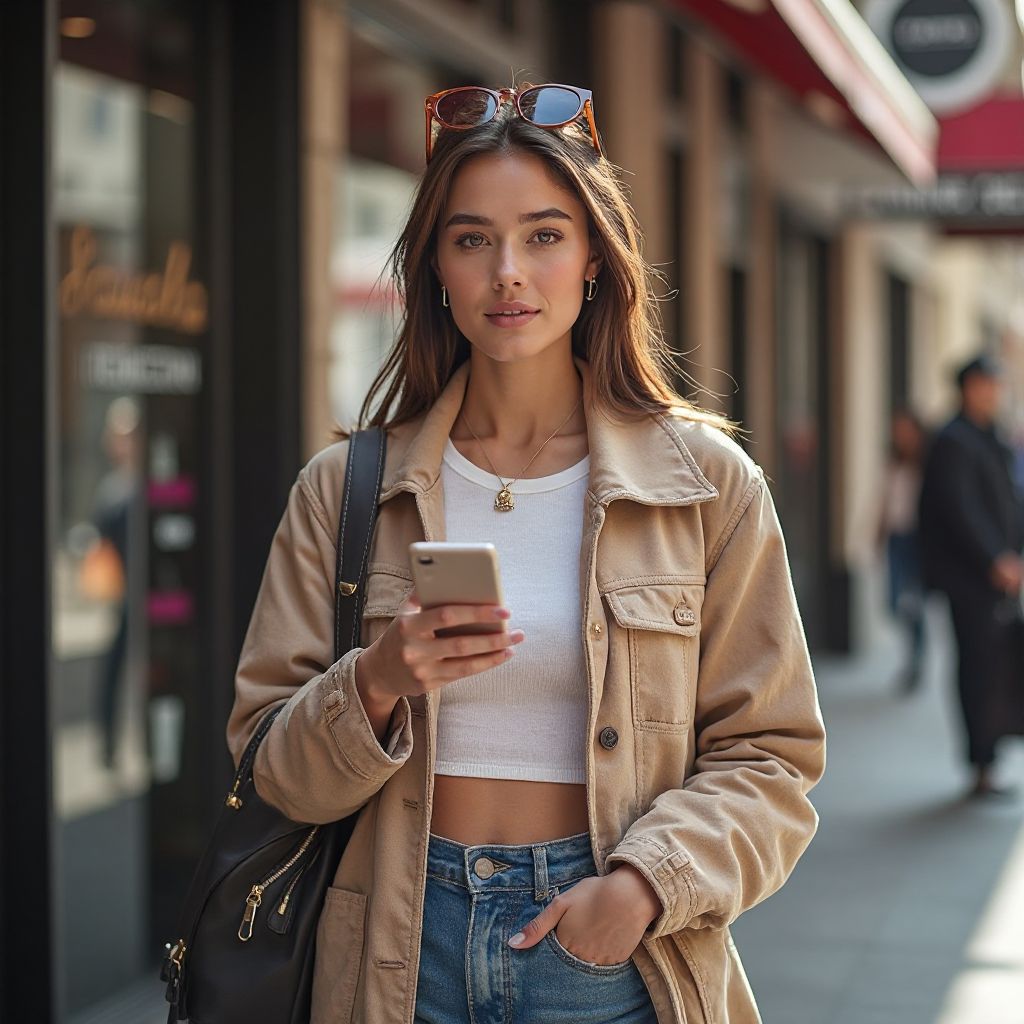
How Social Media Influencers Really Afford Those Outfits (The Truth)
Ever scroll through your Instagram or TikTok feed, mesmerized by the seemingly endless parade of designer bags, couture dresses, and effortlessly chic ensembles, and wonder, “How on earth do they afford all of that?” You’re not alone. The perception of influencers living in a constant cycle of new, expensive fashion can be intimidating, even disheartening, for anyone trying to cultivate their own style.
The Illusion Versus Reality: Why This Matters Now More Than Ever
In today’s digital age, social media has become the ultimate fashion magazine, runway show, and personal stylist all rolled into one. Influencers, with their curated aesthetics and aspirational lifestyles, have replaced traditional celebrities as the primary style arbiters. This constant visual bombardment, often featuring luxury brands like Gucci, Chanel, and Louis Vuitton, creates a powerful illusion: that to be stylish, you must constantly acquire new, high-end pieces. This narrative can lead to financial strain, unsustainable consumption habits, and a skewed understanding of what it truly takes to build a covetable wardrobe. Understanding the reality behind these outfits isn’t just about satisfying curiosity; it’s about empowering you to make smarter, more sustainable fashion choices and to build your own authentic style without breaking the bank or falling prey to unrealistic expectations.
The Main Guide: Unpacking the Influencer Wardrobe Strategy
The truth is, most influencers aren’t independently wealthy individuals buying every single item they showcase. Their “affordability” stems from a clever blend of business acumen, strategic partnerships, and smart styling choices. Here’s the breakdown:
1. Brand Partnerships and Gifting (The Gold Standard)
-
Direct Gifting: Brands frequently send influencers free products in hopes of exposure. A new pair of Nike sneakers, a full collection from Zara, or even a luxury item from a smaller designer might arrive at their doorstep, no strings attached (though an organic post is often hoped for).
-
Paid Collaborations: This is where the real money is made. Influencers are paid a fee to create specific content (photos, videos, stories) featuring a brand’s product. This could be a campaign for ASOS, a spotlight on a new H&M collection, or a high-profile partnership with a luxury brand like Ralph Lauren. The clothes are often provided in addition to the payment.
-
Long-Term Ambassadorships: Some influencers become official ambassadors for brands, receiving ongoing products and a steady income in exchange for consistent promotion. Think of a beauty influencer constantly featuring a specific skincare line, or a fashion influencer regularly showcasing items from a particular clothing brand.
2. Affiliate Marketing (The Click-Through Commission)
-
Many influencers use affiliate links (e.g., via platforms like RewardStyle/LTK) that track sales. When you click on their link and purchase an item – whether it’s a dress from ASOS or a bag from a major department store – they earn a small commission on that sale. This passive income stream adds up, allowing them to reinvest in their wardrobe or lifestyle.
3. Strategic Shopping and Investment Pieces
-
Even with gifts, influencers don’t get *everything*. They are often savvy shoppers, investing in timeless, high-quality pieces (a classic Chanel jacket, a versatile Louis Vuitton bag) that can be re-worn and styled in countless ways. For trendy, seasonal items, they might turn to affordable retailers like Zara or H&M, or utilize rental services.
4. Resale and Rental Platforms (Circular Fashion at Its Best)
-
Selling Off Used Items: Influencers often have a high turnover of clothing. They frequently sell gently used or even unworn items on luxury resale sites like TheRealReal or Vestiaire Collective, recouping some of their investment and making space for new pieces.
-
Renting for Special Occasions: For one-off events, red carpets, or high-production photoshoots (think a spread for Vogue), influencers often rent designer gowns, suits, or accessories from services like Rent the Runway or local designer rental boutiques. Why buy a Hermès gown for one night when you can rent it?
5. Styling Loans and PR Showrooms
-
For major shoots or events, fashion stylists often borrow items directly from designer PR showrooms (e.g., for Gucci, Chanel) or multi-brand agencies. These items are loaned for a specific period and then returned. This is common practice in the fashion industry, not just for influencers but also for magazine editorials.
6. Income from Other Streams
-
Many influencers diversify their income beyond fashion. They might have brand deals for beauty products, travel experiences, tech gadgets, or even launch their own product lines (e.g., clothing collections, makeup brands). This overall income allows them to purchase items they genuinely love or to invest in their personal brand.
Expert Tips You Won’t Find Everywhere
-
Master the “High-Low” Mix: This is the secret sauce. Pair a vintage Chanel belt with a chic H&M dress, or a classic Gucci loafer with tailored trousers from ASOS. It’s not about head-to-toe luxury; it’s about strategic accents that elevate an entire look.
-
Invest in Timeless Staples, Rent the Trends: Instead of buying every fleeting trend, invest in quality basics and classic accessories that will last. For those viral, ephemeral pieces, explore rental services. This keeps your wardrobe fresh without the commitment or cost.
-
Build Relationships, Not Just a Following: Brands are more likely to work with influencers who genuinely appreciate their products and align with their values. Engage authentically with brands you love, even if you’re just starting out. A thoughtful comment or review can catch a PR team’s eye.
-
Understand the Power of Re-Styling: The most skilled influencers make old pieces look new. Learn to re-wear, re-mix, and re-imagine items in your wardrobe. A single Ralph Lauren blazer can create five entirely different looks with smart styling.
-
Curate Your Niche: Instead of trying to be everything to everyone, focus on a specific style aesthetic or interest. This makes you more attractive to relevant brands (e.g., a sustainable fashion influencer for eco-conscious brands, a streetwear influencer for Nike).
Real-World Examples in Action
Consider a popular fashion influencer. One week, they might post a sponsored campaign featuring a new collection from Zara or H&M, where they’ve been gifted the entire outfit and paid for the post. The next, they might be showcasing a stunning Louis Vuitton handbag – perhaps an investment piece they saved for, or more likely, a rental for a high-profile event. For a casual “outfit of the day,” they might pair a thrifted denim jacket with a trendy top from ASOS, linking to similar items via affiliate links. When you see them at a major fashion week event, draped in Gucci or Hermès, those pieces are almost certainly stylist loans coordinated by a PR team, not personal purchases for a single appearance. The key is balance and strategic sourcing.
Mistakes to Avoid on Your Fashion Journey
-
Falling for the “Buy New Every Day” Trap: This is unsustainable financially and environmentally. Focus on quality over quantity.
-
Going into Debt to Keep Up: Never sacrifice your financial well-being for a fleeting trend or aspirational item. True style is never worth debt.
-
Losing Your Authenticity: Only promote or wear items you genuinely love and that resonate with your personal style. Inauthenticity is easily spotted.
-
Ignoring Your Existing Wardrobe: Before buying something new, challenge yourself to create a fresh look with what you already own. Creativity is free!
-
Comparing Your Reality to Their Highlight Reel: Remember, you’re seeing a carefully curated, often sponsored, snapshot of their life. Don’t let it dictate your self-worth or spending habits.
Conclusion: Style is a Strategy, Not Just a Shopping Spree
The dazzling outfits you see on social media aren’t magic; they’re the result of strategic business decisions, smart financial planning, and a deep understanding of the fashion industry. Influencers are, at their core, content creators running a business. By understanding how they truly afford those outfits – through brand partnerships, affiliate marketing, smart investments, and the circular economy of fashion – you can demystify the glamour and apply these savvy strategies to your own wardrobe. Focus on building a versatile, authentic style that serves you, rather than chasing an endless stream of newness. Start cultivating your unique fashion story today, armed with knowledge and confidence!

