

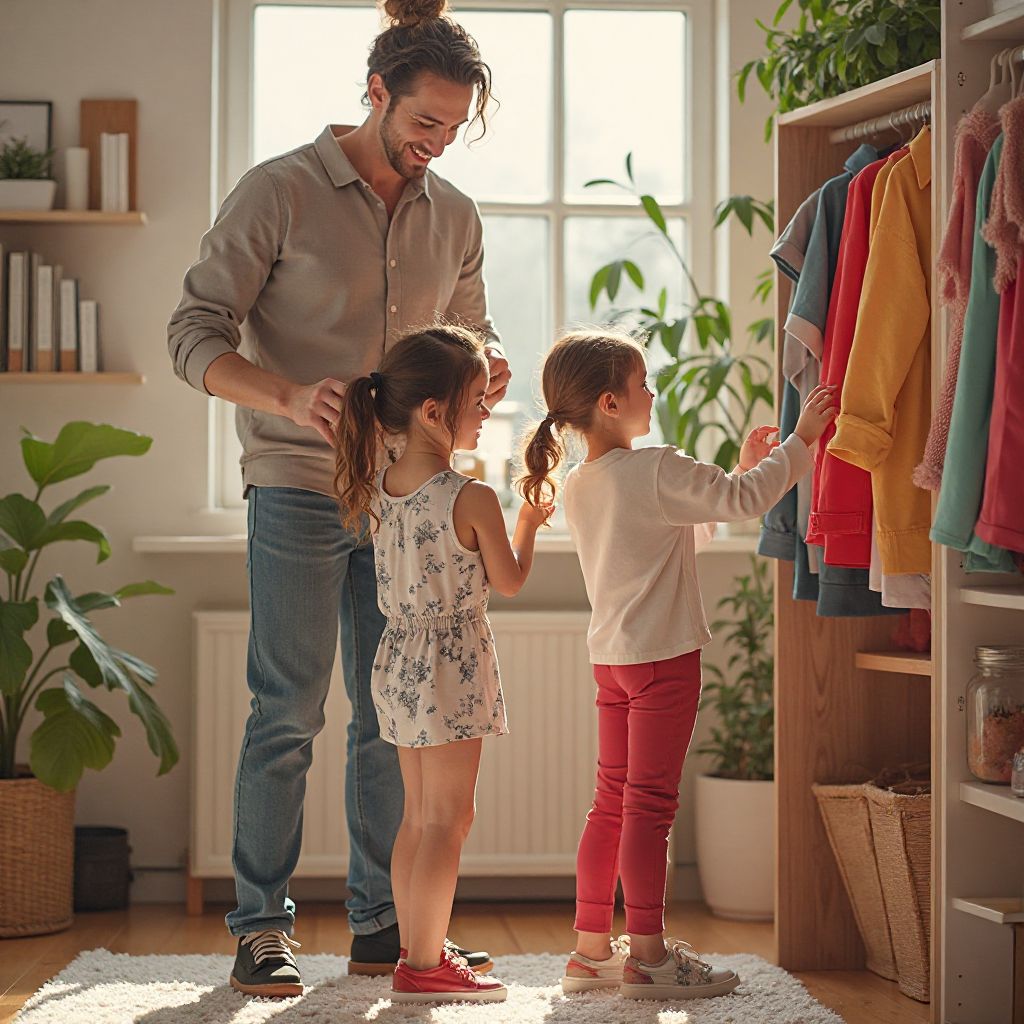
How to Create a Style Guide for Your Kids That Actually Works
Tired of daily wardrobe battles and closets overflowing with clothes your kids never wear? As a fashion stylist with a decade of experience dressing everyone from busy executives to runway models, I can tell you that the secret to effortless style, even for the littlest fashionistas, lies in a well-crafted style guide. And yes, your kids can have one too!
Why Your Kids Need a Style Guide Now More Than Ever
In today’s fast-paced world, where kids are exposed to trends through social media, friends, and even their favorite cartoon characters, developing a sense of personal style starts earlier than ever. A style guide for your children isn’t about rigid rules or turning them into mini-adults; it’s about empowerment, practicality, and fostering their individuality. It simplifies mornings, reduces clothing waste, teaches them about personal expression, and helps you make smart shopping decisions. No more impulse buys that sit unworn! It’s about building a wardrobe that serves their lifestyle, celebrates their personality, and makes getting dressed a joy, not a struggle.
Your Step-by-Step Guide to Crafting a Kid’s Style Guide
Creating a style guide for your child is a collaborative, fun process. Here’s how to do it:
Step 1: Observe and Involve Your Child
- Watch & Listen: Pay attention to what your child naturally gravitates towards. What colors do they love? What textures do they find comfortable? Do they prefer dresses, pants, or shorts? What outfits do they reach for again and again, and which ones do they resist?
- Talk it Out: Sit down with them and ask open-ended questions. “What makes you feel happy when you wear it?” “What do you like about your friend’s outfit?” Even young children can express preferences. For older kids, this is a great exercise in self-awareness.
- Inspiration Board: Create a simple mood board together. This could be physical (magazine cutouts, fabric swatches) or digital (Pinterest). Let them pick images of clothes, colors, and even activities that inspire them.
Step 2: Define Their Core Aesthetic & Lifestyle Needs
- Keywords & Themes: Based on your observations, start categorizing. Is their style “playful and colorful,” “sporty and comfortable,” “classic and preppy,” or “minimalist and modern”? For instance, a child who loves bright colors and graphic tees might lean towards a “funky urban” vibe, while another who prefers polos and chinos might be “classic casual.”
- Lifestyle Check: Consider their daily routine. Do they need durable clothes for playground adventures? Smart casual for school? Specific gear for sports (think Nike)? A few dressier options for special occasions? Balance their wants with their practical needs.
Step 3: Build the Capsule Wardrobe Foundation
- The Basics First: Start with versatile, neutral pieces that can be mixed and matched. Think solid tees, simple jeans, leggings, and comfortable shorts in colors like navy, grey, white, and black. These are the workhorses of any wardrobe. Brands like H&M and Zara are excellent for affordable, stylish basics.
- Color Palette: Once you have the neutrals, introduce 2-3 accent colors that your child loves and that complement each other. This ensures everything in their closet can be worn together, making daily dressing a breeze.
- Key Pieces: Identify 5-7 key items that define their style. For a sporty kid, it might be a great pair of sneakers (like Nike), comfortable joggers, and a few hoodies. For a preppy child, a Ralph Lauren polo shirt, chinos, and a cardigan might be essential.
Step 4: Smart Shopping & Budgeting
- Quality Over Quantity: While kids grow fast, investing in a few higher-quality, durable pieces can save money in the long run. Look for good fabrics and construction.
- Strategic Splurges: If there’s a specific item your child absolutely adores (e.g., a pair of light-up sneakers, a character-themed jacket), consider it a “statement piece” and budget for it. You don’t need Gucci or Louis Vuitton for kids, but a well-chosen item can make an outfit pop.
- Second-Hand & Sales: Don’t underestimate consignment shops, online marketplaces like ASOS (for pre-loved items), and end-of-season sales. You can find fantastic pieces for a fraction of the price.
Step 5: Organize for Independence
- Accessible Wardrobe: Arrange their clothes in a way that makes it easy for them to choose and put away items themselves. Low hangers, labeled drawers, or clear bins work wonders.
- Outfit Pre-Packs: For younger children, you can even pre-plan outfits for the week and put them together (e.g., in a hanging shelf organizer). This empowers them to pick “their” outfit without the daily decision fatigue.
Expert Tips for Lasting Kids’ Style
- The “One Signature Element” Rule: Every great style, even for kids, benefits from a signature element. It could be a specific type of accessory (fun hats, colorful socks), a recurring print (stripes, polka dots), or even a particular silhouette they love. This helps define their unique look without requiring expensive pieces.
- Prioritize Playability & Practicality: While aesthetics are important, never sacrifice comfort and durability. Kids need to run, jump, and get messy. Choose fabrics that move with them and are easy to clean. Think washable cottons, durable denims, and resilient blends. A beautiful dress that can’t withstand a single playdate isn’t practical.
- Embrace “High-Low” Dressing (Kid Edition): Just as we mix a designer bag with high-street clothes, teach kids to blend. A fun graphic tee from H&M can look fantastic with quality denim and a classic pair of Nike sneakers. Or, a whimsical Zara skirt paired with a classic Ralph Lauren button-down. It’s about balance and making the most of every piece.
- Seasonal Style Swaps: Twice a year, involve your child in “seasonal wardrobe refreshing.” Store away out-of-season clothes and bring out current ones. This keeps their closet fresh, manageable, and exciting, making space for new discoveries and letting go of outgrown items.
- “Vogue Vision” for Kids: While we’re not talking about designer editorials, think about how Vogue curates cohesive collections. Apply this lens to your child’s wardrobe: does each piece feel intentional? Does it contribute to their overall defined style? This isn’t about luxury brands like Chanel or Hermès, but about thoughtful curation and creating a harmonious look.
Mistakes to Avoid
- Imposing Your Style: This is the biggest pitfall. Your child is an individual. While you guide, let their personality shine through.
- Ignoring Comfort: Uncomfortable clothes will simply be rejected, no matter how stylish they are.
- Over-Shopping: More clothes do not equal better style. A curated, smaller wardrobe is far more effective.
- Forgetting Function: Are the clothes appropriate for their activities? Can they move freely?
- Making it a Chore: Keep the process light, fun, and collaborative. If it feels like a task, they’ll disengage.
Conclusion: Empowering Style, One Outfit at a Time
Creating a style guide for your child isn’t just about clothes; it’s about fostering confidence, encouraging self-expression, and simplifying your family’s daily routine. Imagine mornings free of clothing meltdowns, and a child who feels genuinely great in what they’re wearing. It’s a journey of discovery for both of you, building a foundation for lifelong personal style. So, roll up your sleeves, grab your child, and embark on this exciting fashion adventure together. Your future stylish kid (and calmer mornings) will thank you!

