

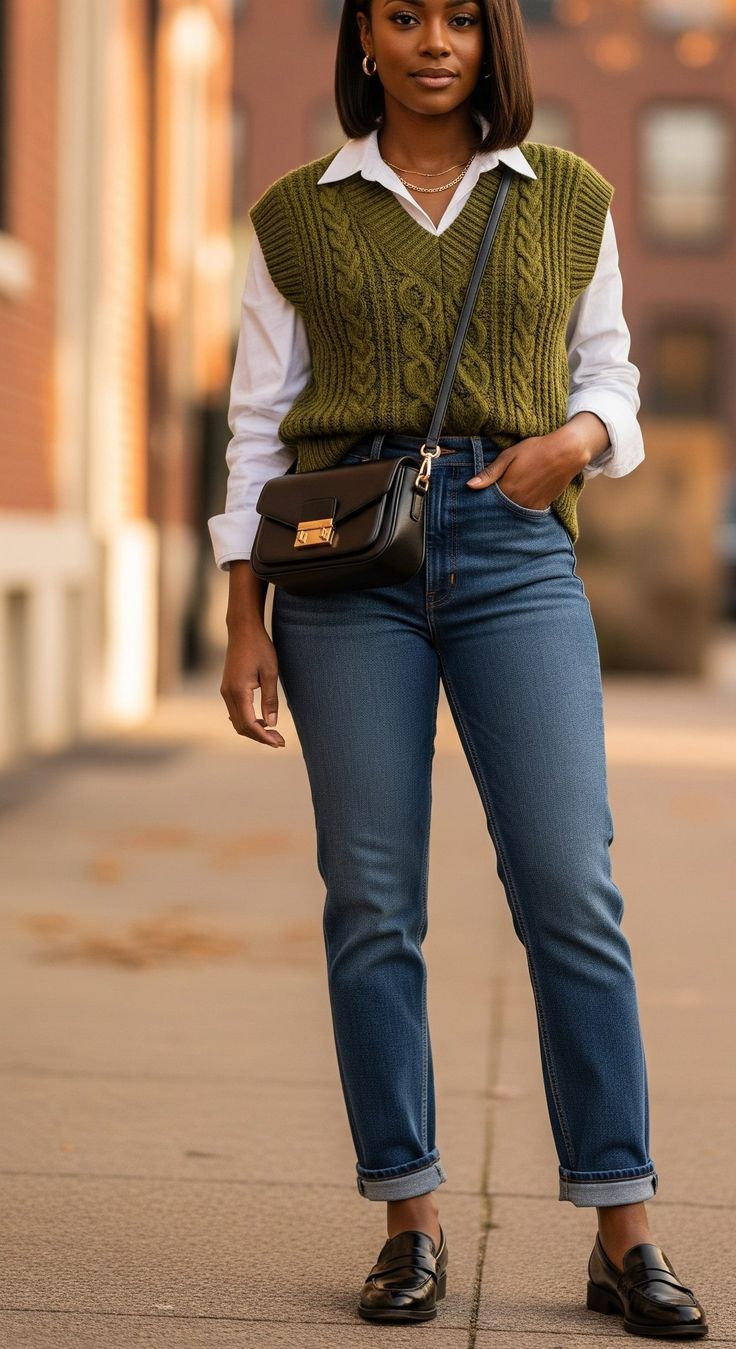
Introduction
Looking good should not feel expensive or stressful.
Yet many people believe fashion requires a large budget and constant shopping.
That belief often leads to overspending, cluttered wardrobes, or giving up on style completely.
The truth is simpler.
This article is for beginners, students, working professionals, and everyday readers who want to dress better without confusion or pressure.
You do not need fashion knowledge or designer brands—just smart habits.
Here, you will learn budget fashion tips every smart shopper should know.
These tips are practical, realistic, and easy to apply in everyday life.
Why This Topic Is Important
Clothing is part of daily life.
What you wear affects how you feel, how you move, and how confident you are.
Understanding budget fashion helps you:
- Spend money wisely instead of emotionally
- Avoid buying clothes you never wear
- Build a wardrobe that works for many situations
- Feel confident without financial stress
Smart shopping is not about buying less style.
It is about buying with intention.
Fashion Basics You Need to Know
Before learning tips, it helps to understand a few fashion basics.
Good Style Is Not About Price
Expensive clothes do not automatically look better.
Affordable clothes can look great when chosen carefully.
Style comes from:
- Fit
- Simplicity
- Cleanliness
- Confidence
Basics Are the Foundation
Basics are clothes you can wear often.
Examples include:
- Plain T-shirts
- Simple shirts or blouses
- Jeans or trousers
- Comfortable shoes
Budget shopping works best when basics come first.
One Item, Many Outfits
Every piece you buy should work with multiple outfits.
This helps you:
- Save money
- Reduce clutter
- Dress faster
Step-by-Step Guide or Practical Breakdown
Below are clear budget fashion tips you can follow step by step.
Step 1: Always Shop with a Plan
Never shop without knowing what you need.
Before shopping, ask:
- What is missing from my wardrobe?
- What do I wear most often?
A plan prevents impulse buying.
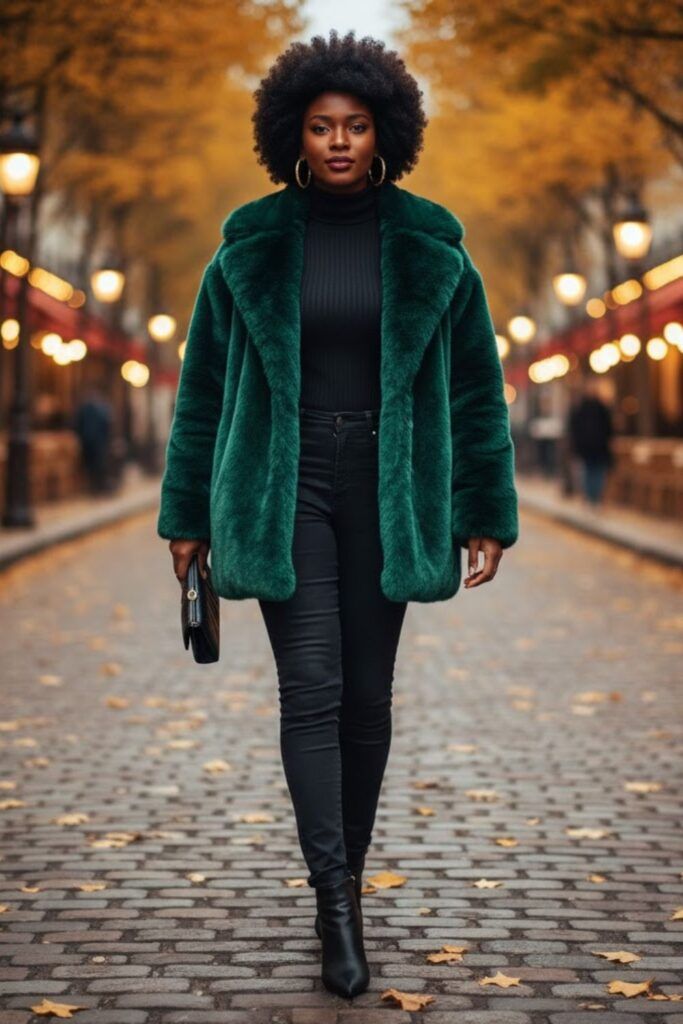
Step 2: Start with Neutral Colors
Neutral colors are easy to mix.
Good choices include:
- Black
- White
- Grey
- Navy
- Beige
They help you create many outfits from few pieces.
Step 3: Inspect Quality Carefully
Low price does not mean good value.
Always check:
- Fabric feel
- Stitching quality
- Buttons and zippers
Quality items last longer and save money over time.
Step 4: Buy Fewer, Better Items
Buying many cheap items often costs more later.
Instead:
- Buy fewer clothes
- Choose items you will wear often
- Focus on durability
Quality beats quantity.
Step 5: Shop Sales the Smart Way
Sales are useful only when planned.
Use sales to:
- Replace worn-out basics
- Buy items already on your list
Avoid buying something just because it is discounted.
Step 6: Consider Second-Hand and Thrift Stores
Second-hand shopping can offer great value.
You may find:
- Better fabric quality
- Well-made items
- Lower prices
Always inspect items carefully before buying.
Step 7: Prioritize Fit Over Trend
Trends change quickly.
Fit always matters.
Choose clothes that:
- Fit your shoulders and waist
- Feel comfortable
- Allow easy movement
Poor fit ruins even expensive outfits.
Step 8: Build Slowly Over Time
You do not need everything now.
Add items gradually as you learn:
- What you wear often
- What suits your lifestyle
Slow building leads to better wardrobes.
Common Mistakes to Avoid
Buying Just Because It’s Cheap
Cheap items can still be a waste.
Always ask:
- Will I wear this often?
- Does it match my wardrobe?
Following Trends Too Closely
Trendy pieces often stop working quickly.
Focus on timeless basics first.
Ignoring Clothing Care
Poor care shortens clothing life.
Wrong washing or drying can ruin good items.
Overbuying Statement Pieces
Bold items are harder to style.
Too many statement pieces limit outfit options.
Shopping Emotionally
Shopping out of boredom or stress leads to regret.
Shop with purpose, not mood.
Helpful Fashion Tips That Make a Real Difference
- Repeat outfits confidently
- Keep shoes clean and neat
- Steam or iron clothes regularly
- Store clothes properly
- Choose simple accessories
Small habits improve style more than new purchases.
Budget-Friendly Advice
To keep fashion affordable long-term:
- Track what you actually wear
- Avoid shopping frequently
- Spend more on everyday items
- Spend less on rarely used items
- Learn basic clothing repairs
Smart habits protect your budget.
Brand Examples (Optional & Natural)
Some affordable brands often carry useful basics.
For example:
- Uniqlo for clean, simple essentials
- H&M and Zara for affordable everyday clothing
- Nike and Adidas for casual shoes and basics
These are examples only.
Always judge the item, not just the brand.
Frequently Asked Questions (FAQs)
1. Can budget clothes really look stylish?
Yes.
Fit, simplicity, and care matter more than price.
2. How often should I shop for clothes?
Only when you truly need something.
3. Is second-hand clothing safe to buy?
Yes, when inspected and cleaned properly.
4. Should beginners avoid fashion trends?
Not completely, but basics should come first.
5. How do I stop impulse shopping?
Shop with a list and wait before buying.
6. What is the most important budget fashion rule?
Buy with intention, not emotion.
Final Thoughts / Conclusion
Budget fashion is not about sacrifice.
It is about smart thinking and simple choices.
When you plan your purchases, focus on basics, and care for your clothes, your wardrobe improves naturally.
You save money, reduce stress, and feel confident every day.
Good style does not depend on how much you spend.
It depends on how wisely you choose.
Start small.
Shop smart.
And build a wardrobe that truly works for you.

